

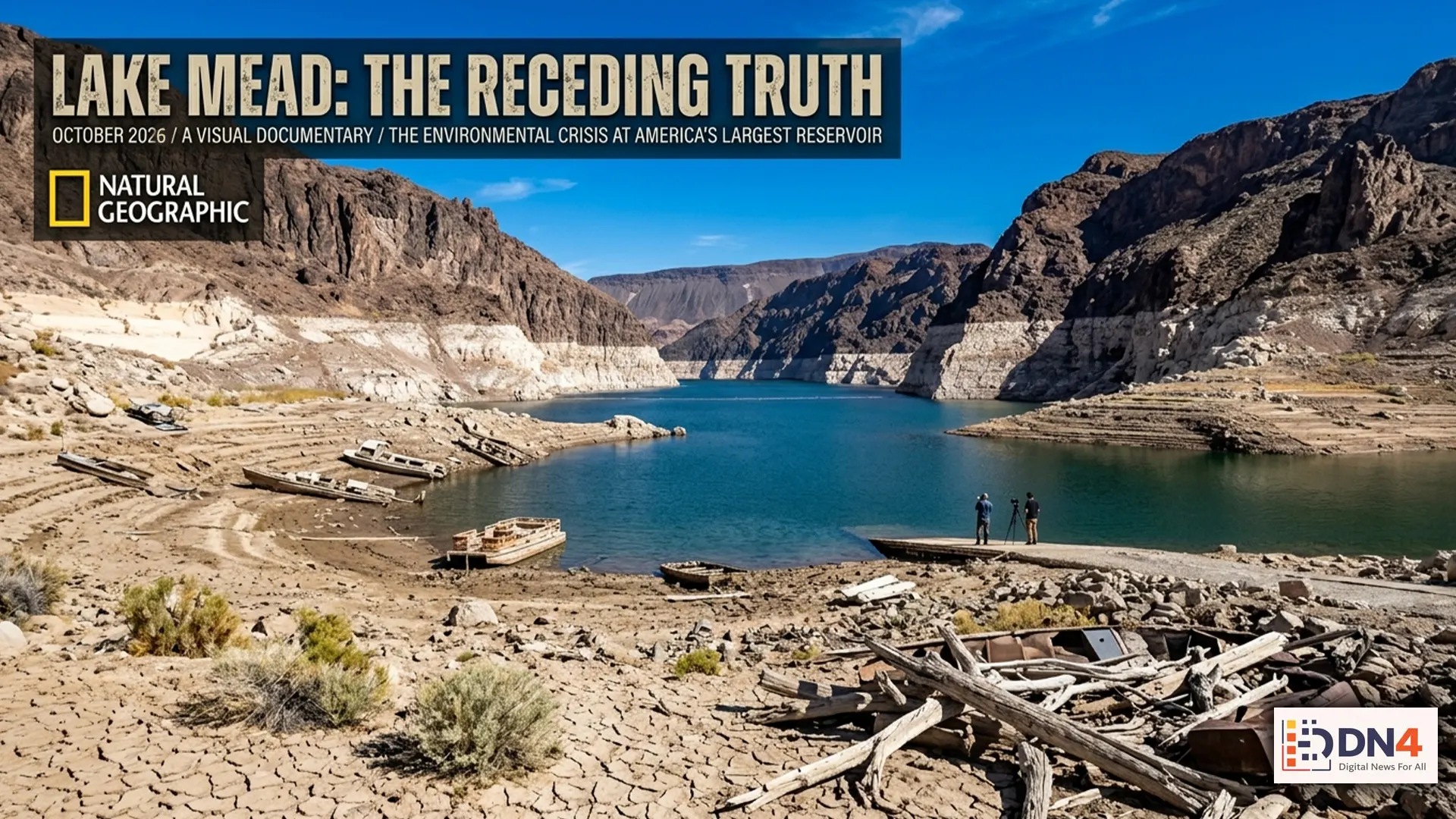
For years, headlines about Lake Mead’s water levels have focused primarily on drought, water shortages, and the future of the Colorado River system. However, scientists increasingly warn that the lake’s approach toward critical elevation thresholds may signal something deeper than a water management challenge. It may represent a significant geochemical warning for the entire region.
Lake Mead, the largest reservoir in the United States by capacity, serves millions of residents across Nevada, Arizona, California, and parts of Mexico. As prolonged drought conditions, rising temperatures, and increasing demand continue to reduce water levels, researchers are paying close attention to what happens when the lake approaches elevations near 1,050 feet above sea level.
Why the 1050-Foot Level Matters
While water managers often focus on operational thresholds related to hydroelectric power generation and water allocations, environmental scientists view declining elevations through a different lens.
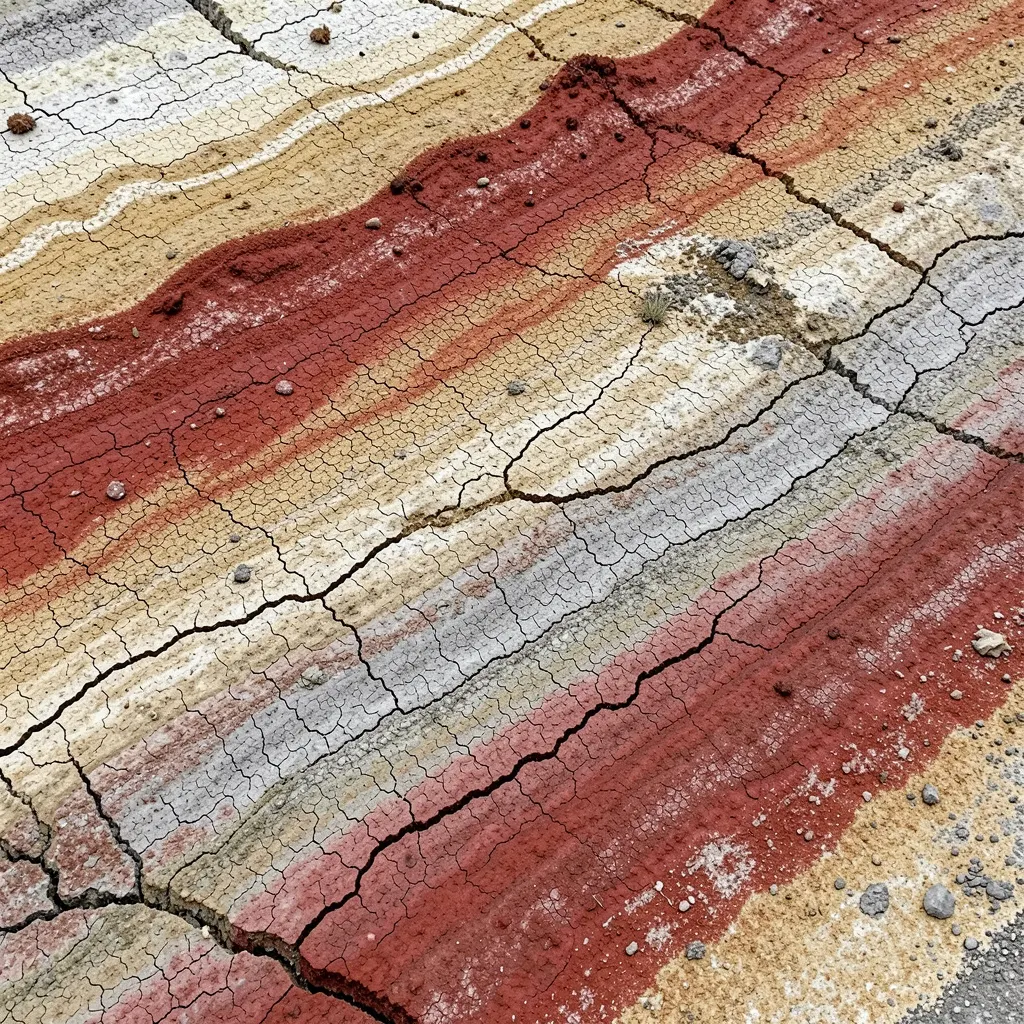
As water levels fall, previously submerged sediments become exposed to air for the first time in decades. These sediments contain minerals, nutrients, organic matter, and trace elements that can undergo significant chemical transformations when exposed to oxygen and changing environmental conditions.
The result is a complex set of geochemical processes that may affect water quality, ecosystem health, and long-term reservoir stability.
The Science Behind Exposed Sediments
When lakebed sediments remain underwater, they often exist in low-oxygen environments. As those sediments become exposed during prolonged water declines, oxidation reactions begin to occur.
Researchers studying reservoirs and drought-affected water systems have observed several important changes:
- Release of stored nutrients into surrounding waters
- Changes in metal mobility and concentration
- Increased dust generation from exposed lakebeds
- Altered microbial activity within sediment layers
- Potential shifts in water chemistry
Organizations such as the U.S. Geological Survey (USGS) and the Environmental Protection Agency (EPA) continue monitoring how drought-driven reservoir changes influence environmental systems throughout the American Southwest.
The Growing “Bathtub Ring” Phenomenon
One of the most visible signs of Lake Mead’s decline is the massive white “bathtub ring” surrounding portions of the reservoir. This mineral-rich band marks historical water levels and serves as a striking reminder of how dramatically the lake has receded.
Beyond its visual impact, these exposed deposits offer scientists valuable insights into long-term changes in water chemistry, mineral deposition, and sediment transport patterns.
Climate Change and Hydrological Stress
The challenges facing Lake Mead cannot be separated from broader climatic trends affecting the Colorado River Basin.
According to research from institutions including the National Oceanic and Atmospheric Administration (NOAA) and the NASA Climate Program, rising temperatures increase evaporation rates while reducing snowpack accumulation that traditionally replenishes river systems.
These combined factors contribute to long-term hydrological stress that extends beyond seasonal drought cycles.
Potential Impacts on Water Quality
Although Lake Mead remains a vital drinking water source, changing geochemical conditions can influence treatment requirements and ecosystem dynamics.
Scientists continue to study how nutrient cycling, sediment exposure, and mineral transformations may affect future water quality conditions. Most impacts occur gradually, making long-term monitoring essential.
Understanding these changes helps water managers anticipate challenges before they become critical.
What the Warning Sign Really Means
The significance of the 1,050-foot threshold is not that a single dramatic event occurs at that exact elevation. Instead, it represents a symbolic and scientific marker highlighting the cumulative effects of prolonged water decline.
Environmental systems often respond gradually until critical tipping points are reached. The continued exposure of sediments, changing water chemistry, and increasing ecological stress serve as indicators that deeper environmental transformations may already be underway.
Looking Ahead
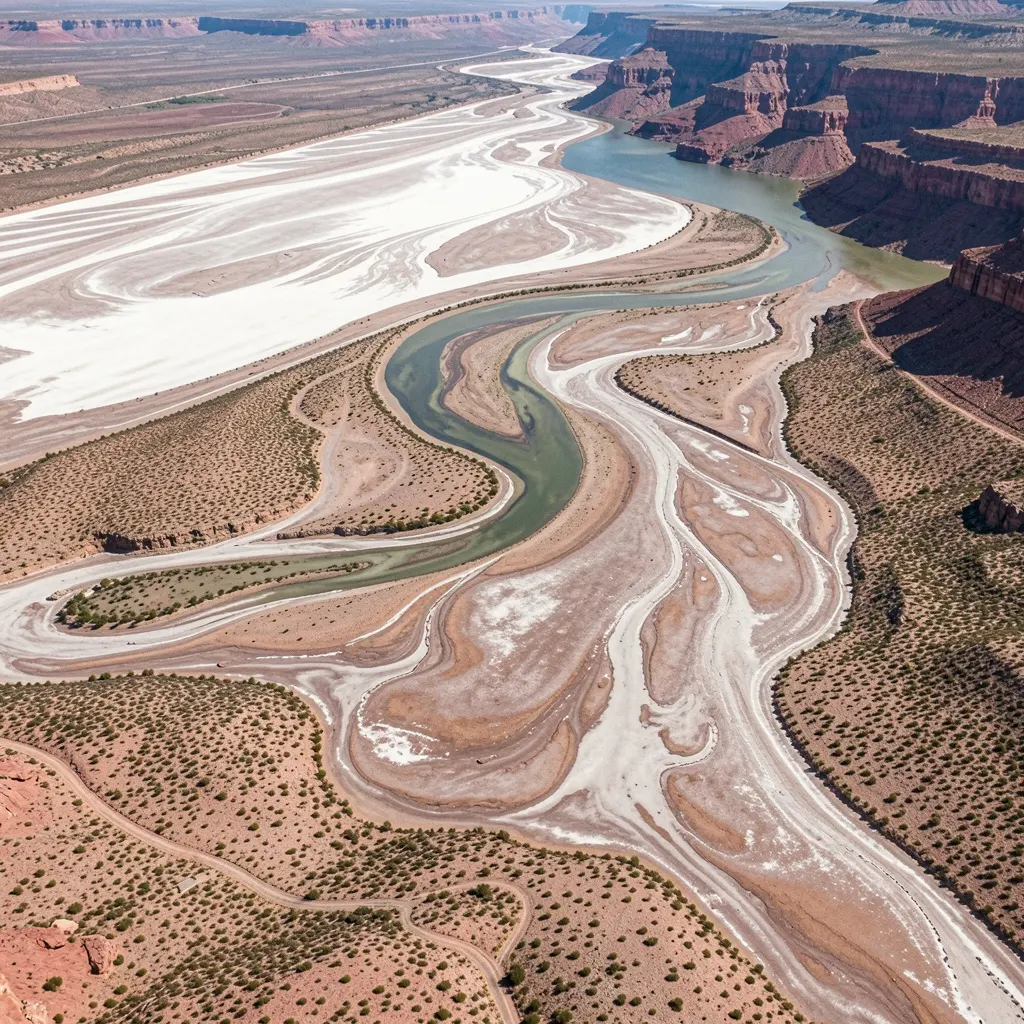
The future of Lake Mead will depend on a combination of water conservation efforts, infrastructure planning, climate adaptation strategies, and regional cooperation among Colorado River stakeholders.
While water shortages remain a primary concern, the lake’s geochemical evolution reminds us that reservoirs are not merely storage systems—they are dynamic environmental systems that respond to changing conditions in complex ways.
As scientists continue monitoring Lake Mead, the message is increasingly clear: declining water levels are not only a hydrological challenge but also an environmental signal that deserves close attention.
Frequently Asked Questions
Why is the 1050-foot threshold important?
It represents a level where scientists become increasingly concerned about long-term environmental and geochemical impacts associated with exposed sediments and declining reservoir conditions.
What is the Lake Mead bathtub ring?
The bathtub ring is a visible mineral deposit left behind as water levels decline, marking previous reservoir elevations.
Does the threshold mean an immediate environmental disaster?
No. It serves as a warning indicator of ongoing environmental processes rather than a single catastrophic event.
#LakeMead #ColoradoRiver #WaterCrisis #ClimateChange #Environment #Drought #WaterConservation #EnvironmentalNews #Sustainability #Geochemistry