

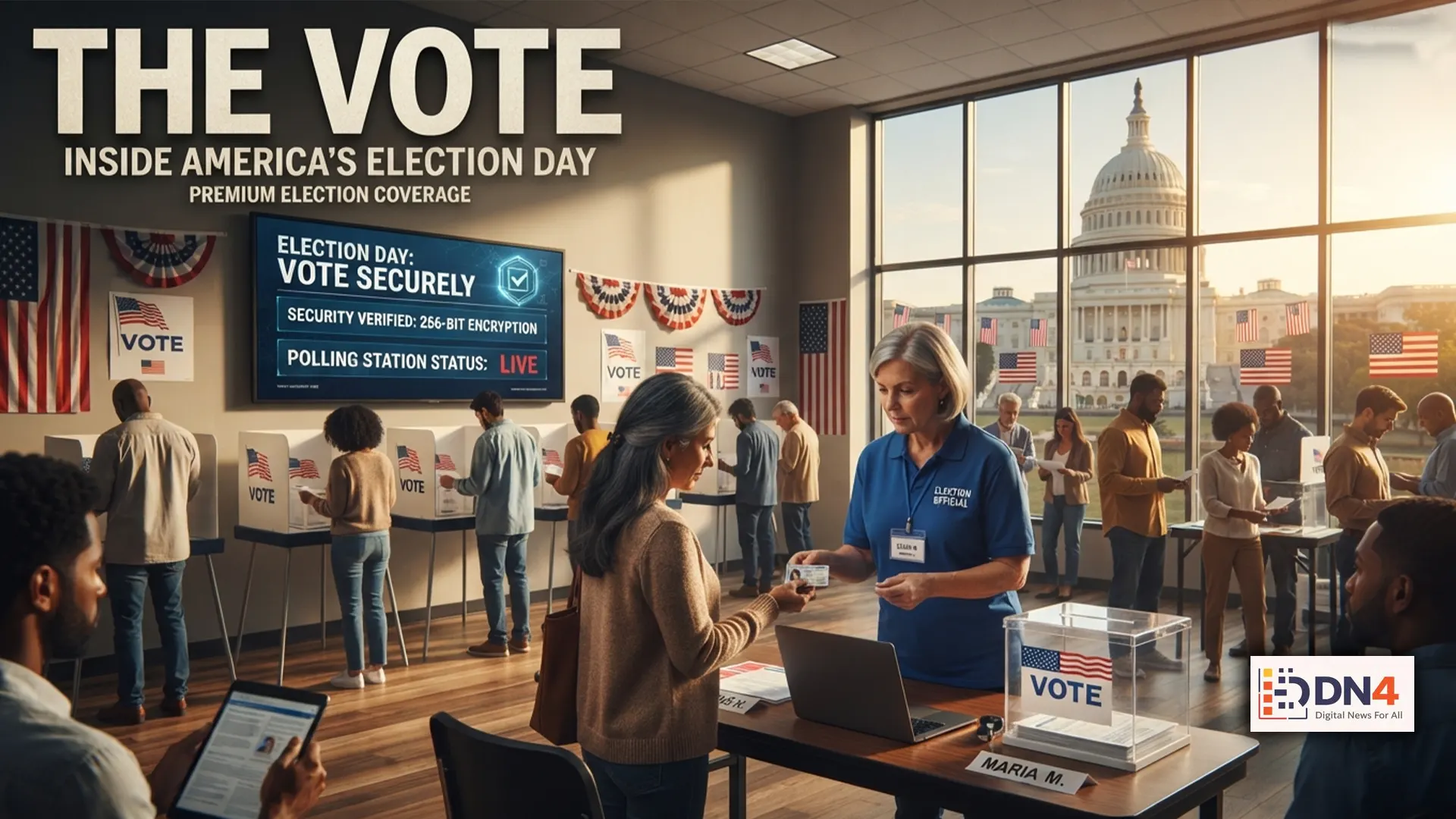
Election policy has once again become a central issue on Capitol Hill as lawmakers debate a congressional package that addresses voter identification requirements, election funding, and broader election administration. Supporters argue the proposal would strengthen election security and improve confidence in the voting process. However, critics warn that some provisions could affect voter access and place additional burdens on election officials.
The package combines several election-related measures into a broader legislative proposal. Consequently, it has become a focal point for lawmakers, advocacy groups, and state election administrators ahead of future federal elections.
Why Voter ID Remains a Key Issue
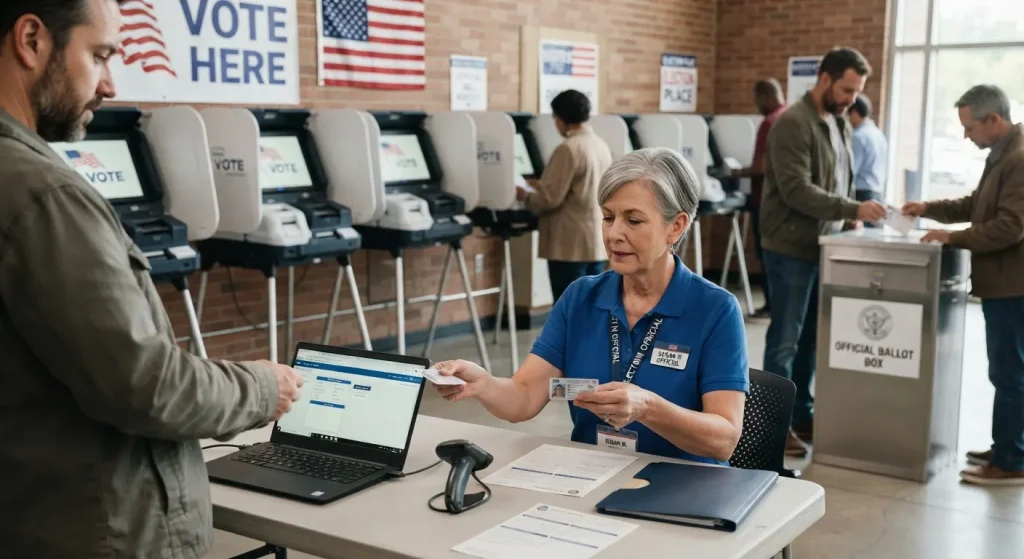
Voter identification laws have long been one of the most debated topics in U.S. election policy. Supporters argue that requiring identification helps verify voter eligibility and reduces the risk of fraud. Opponents, however, contend that strict identification requirements could make voting more difficult for some eligible citizens, particularly older adults, students, and individuals with limited access to government-issued identification.
Federal election guidance is available through the U.S. Election Assistance Commission (EAC), while election law information is published by the U.S. Department of Justice Voting Section.
Election Funding Takes Center Stage
In addition to voter identification, the proposal addresses how elections are funded. Lawmakers are debating funding levels for election administration, voting equipment upgrades, cybersecurity improvements, poll worker training, and support for local election offices. Supporters argue that additional resources would strengthen election integrity and improve operational efficiency.
Meanwhile, fiscal conservatives have questioned the scale of federal spending, arguing that states should retain greater responsibility for administering elections. Budget information is available through the Congressional Budget Office (CBO) and legislative updates through Congress.gov.
Election Security and Technology
Another major component focuses on election security. The legislation includes proposals aimed at protecting election infrastructure from cyber threats, improving voting system resilience, and strengthening coordination between federal and state agencies. Therefore, cybersecurity remains a significant part of the broader election policy discussion.
Election security guidance is regularly published by the Cybersecurity and Infrastructure Security Agency (CISA), which works with state and local officials to protect election systems.

Political Debate Continues
As expected, the legislation has generated strong reactions from both major political parties. Supporters say the package promotes transparency, accountability, and secure elections. Critics argue that certain provisions could change how elections are administered and may influence voter participation. Consequently, negotiations are expected to continue as lawmakers seek common ground.
What Happens Next?
The proposal must still move through the legislative process before any provisions become law. Committee review, floor debate, possible amendments, and approval by both chambers of Congress remain necessary steps. Even if enacted, states may need additional time to implement new election procedures and funding programs.
Ultimately, the debate highlights the ongoing challenge of balancing election security, voter accessibility, and responsible government spending. As Congress continues negotiations, the outcome could shape future election administration across the United States.
#VoterID #ElectionFunding #Congress #ElectionSecurity #VotingRights #USPolitics #Government #Democracy #WorldNews