

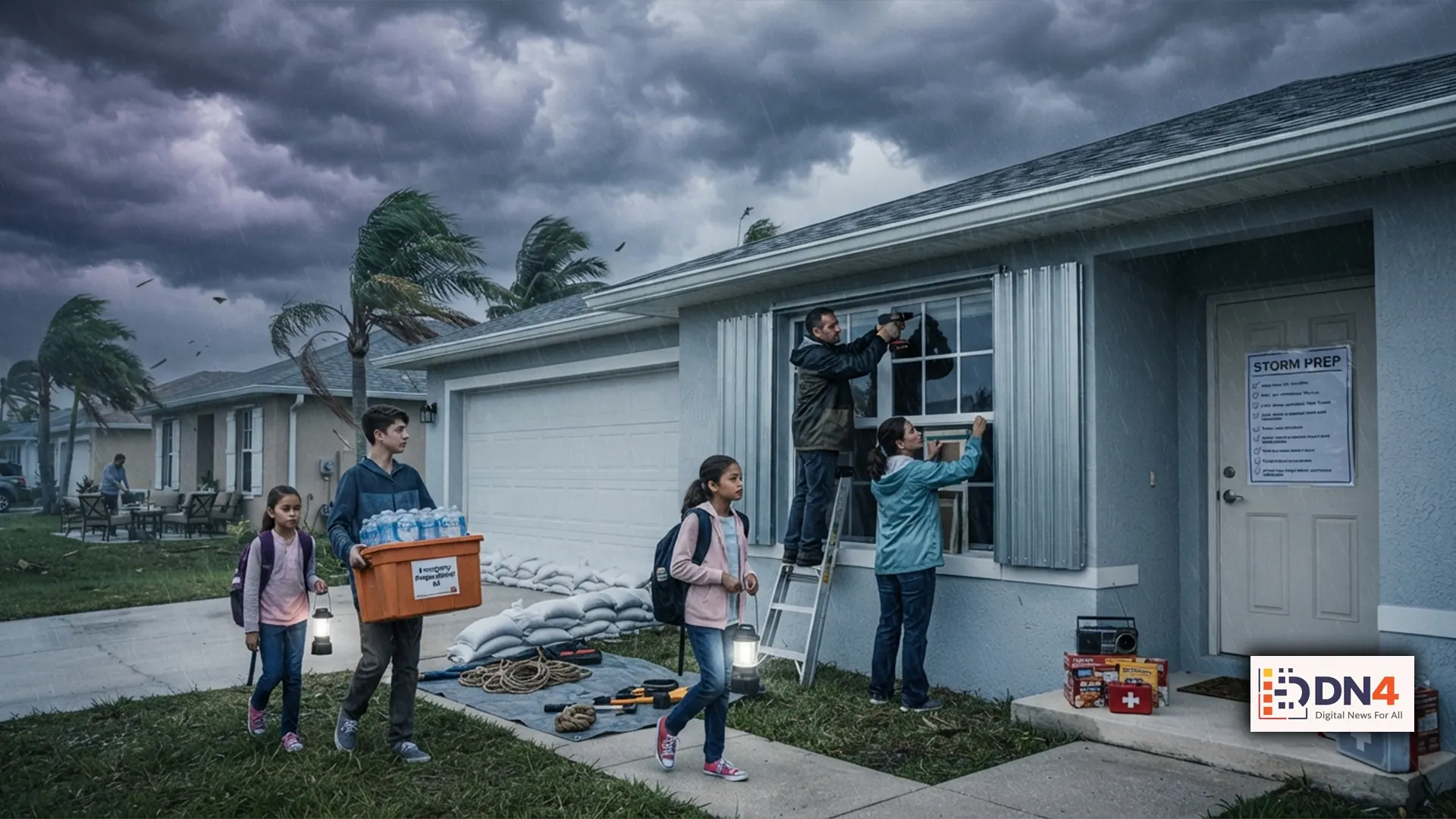
As Tropical Storm Bertha and Hurricane Fausto draw attention during the peak of hurricane season, emergency officials are urging residents in vulnerable areas to review their preparedness plans. Even if a storm’s projected path changes, heavy rain, strong winds, flooding, dangerous surf, and power outages can affect communities far from the center of the system. Taking simple precautions before severe weather arrives can make a significant difference in protecting your family and property.
The National Hurricane Center (NHC) continuously monitors tropical systems and provides official forecasts, while the National Weather Service (NWS) issues local watches, warnings, and weather alerts. Checking these trusted sources regularly is one of the most important steps before and during a storm.
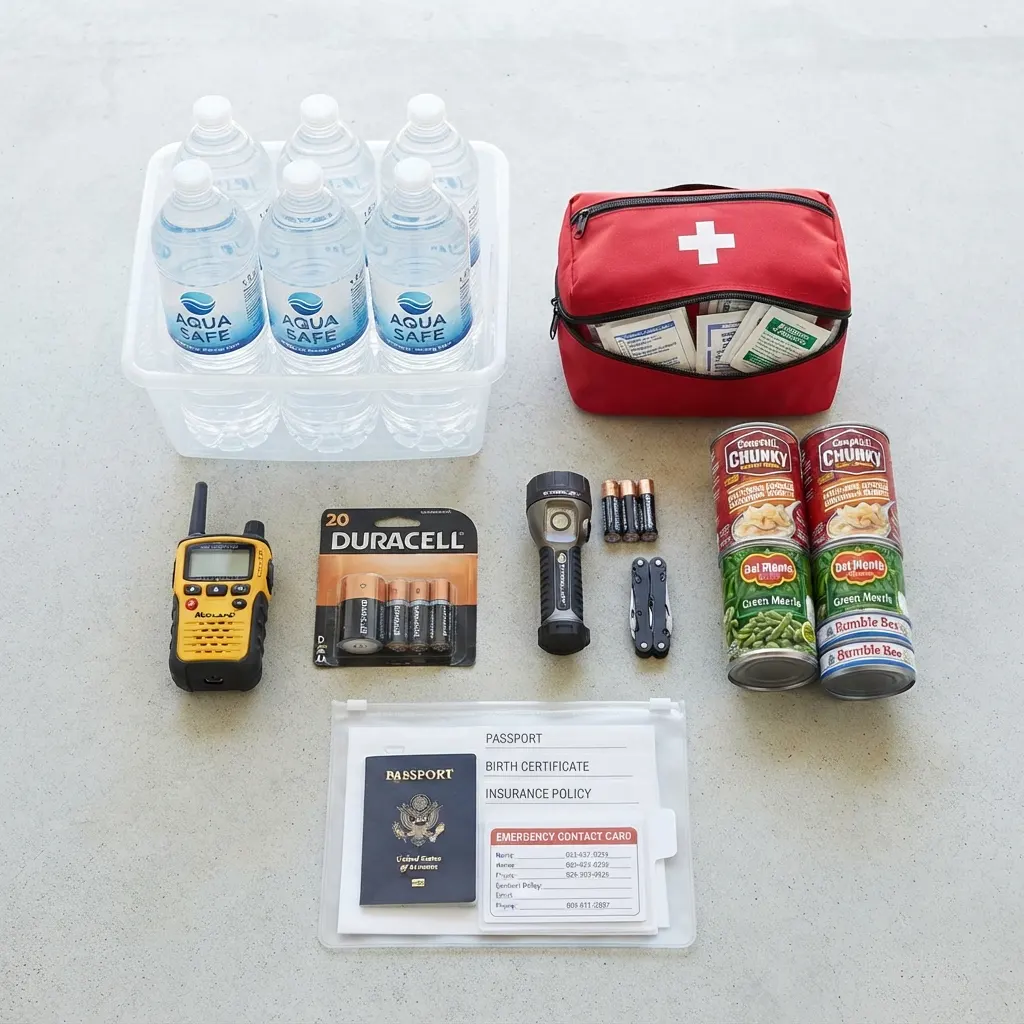
Build or Update Your Emergency Kit
Every household should have enough supplies to last at least three days. Include bottled water, non-perishable food, medications, flashlights, batteries, first-aid supplies, important documents in waterproof containers, phone chargers, and supplies for children and pets. The Ready.gov emergency kit guide offers a comprehensive checklist for disaster preparedness.
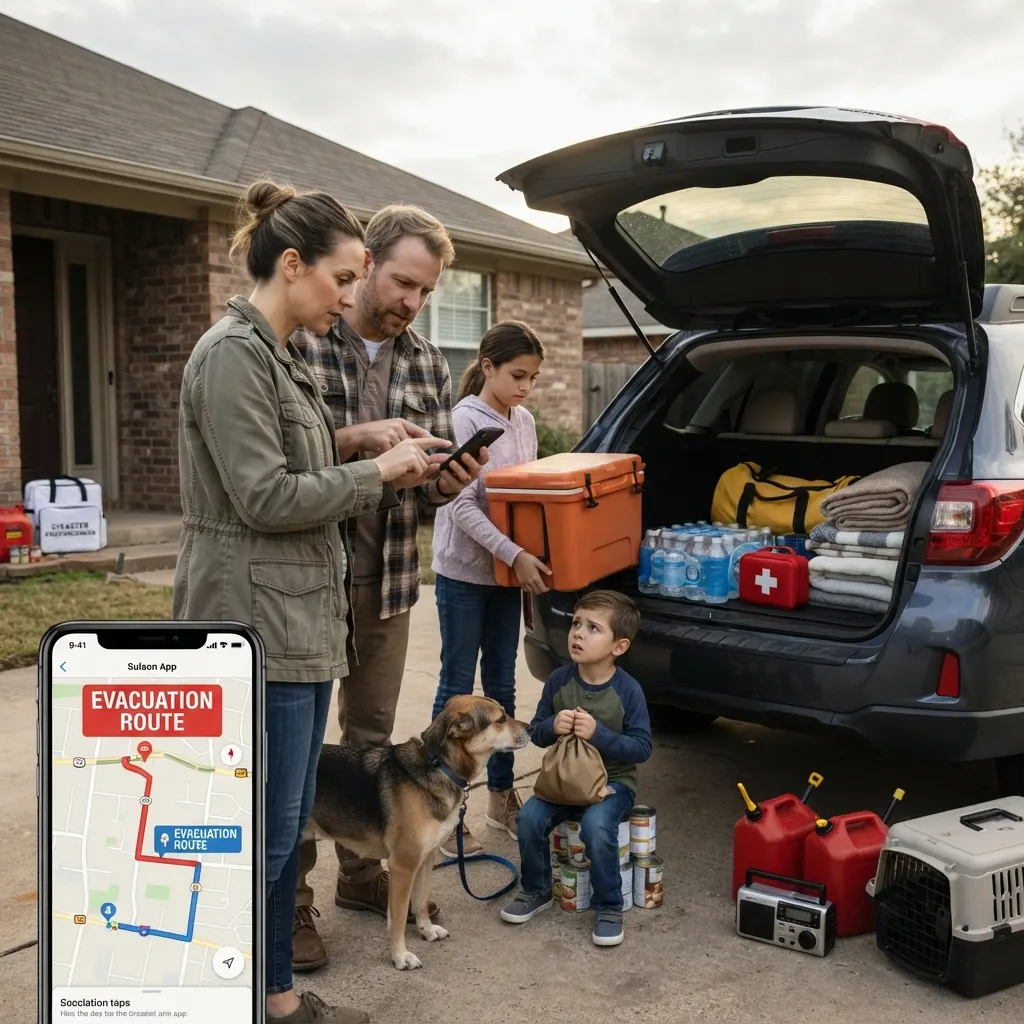
Know Your Evacuation Plan
If local officials issue an evacuation order, leave as early as possible to avoid heavy traffic and hazardous conditions. Identify evacuation routes, nearby shelters, and a safe meeting location for family members. Guidance from the Federal Emergency Management Agency (FEMA) recommends planning ahead rather than waiting until conditions worsen.
Protect Your Home Before the Storm
Secure outdoor furniture, trim weak tree branches, clear gutters and storm drains, and reinforce doors or windows if necessary. Charge electronic devices and keep vehicles fueled in case travel becomes necessary. Homeowners should also review their insurance coverage and understand what protection is available for flood-related damage. The National Flood Insurance Program provides information on flood insurance and flood risk.
Stay Informed During Severe Weather
Weather conditions can change rapidly. Enable emergency alerts on your smartphone, keep a battery-powered radio available, and monitor official forecasts instead of relying on social media rumors. The National Oceanic and Atmospheric Administration (NOAA) recommends following evacuation instructions immediately when issued by local authorities.
After the Storm Passes
Remain cautious even after the wind subsides. Avoid flooded roads, downed power lines, and damaged buildings until officials declare the area safe. Standing floodwater may contain hidden hazards, including electrical risks and contaminated water. Health guidance from the Centers for Disease Control and Prevention (CDC) advises wearing protective clothing during cleanup and avoiding unnecessary exposure to floodwater.
Preparation Saves Lives
Storm forecasts can shift quickly, making preparation the best defense against hurricanes and tropical storms. By assembling emergency supplies, following official weather updates, and having a family emergency plan in place, you can reduce risks and respond more confidently when severe weather threatens your community.
#TropicalStorm #HurricaneFausto #StormPrep #HurricaneSeason #WeatherSafety #EmergencyPreparedness #DisasterReady #SafetyTips #BreakingNews