

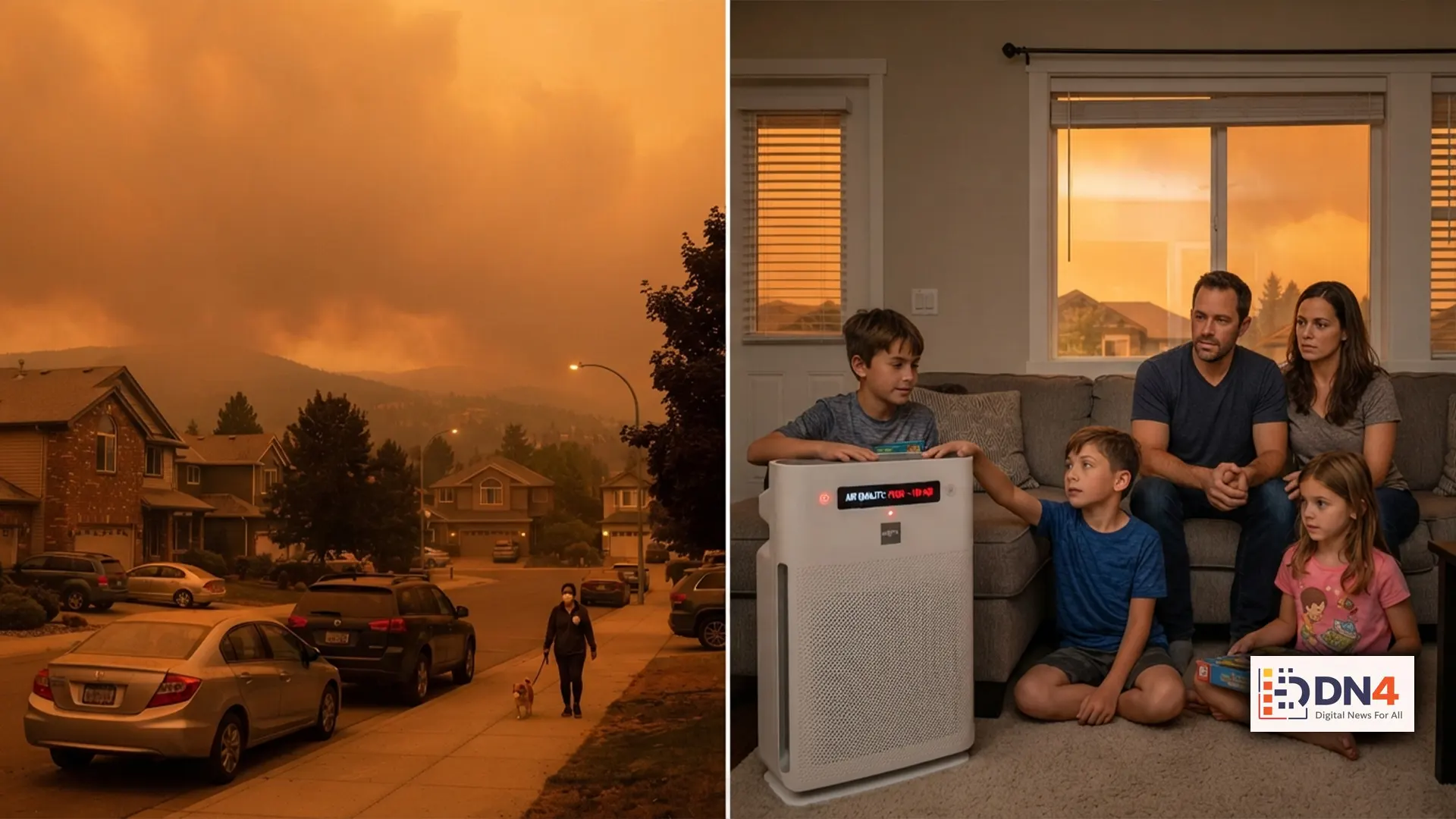
As wildfire season intensifies across parts of North America, millions of Americans are once again experiencing hazy skies and declining air quality. Smoke from large wildfires can travel hundreds or even thousands of miles, carrying fine particulate matter (PM2.5) that poses serious health risks, especially for children, older adults, and individuals with respiratory or heart conditions.
According to the Air Quality Index (AQI), unhealthy air conditions may develop quickly as wildfire smoke spreads across multiple states. Monitoring daily AQI levels before outdoor activities has become increasingly important during wildfire season.
Why Wildfire Smoke Is Dangerous
Wildfire smoke contains microscopic particles capable of penetrating deep into the lungs and even entering the bloodstream. The U.S. Environmental Protection Agency (EPA) explains that prolonged exposure may worsen asthma, trigger breathing difficulties, irritate the eyes, and increase cardiovascular risks.
How to Improve Indoor Air Quality
Keeping smoke outside is the first line of defense. Close all windows and doors during poor air quality days and use air conditioning in recirculation mode whenever possible. Running a certified HEPA air purifier can significantly reduce indoor particle levels.

The Centers for Disease Control and Prevention (CDC) also recommends avoiding activities that generate indoor pollution, such as burning candles, smoking, or vacuuming without HEPA filtration.
When You Need to Go Outdoors
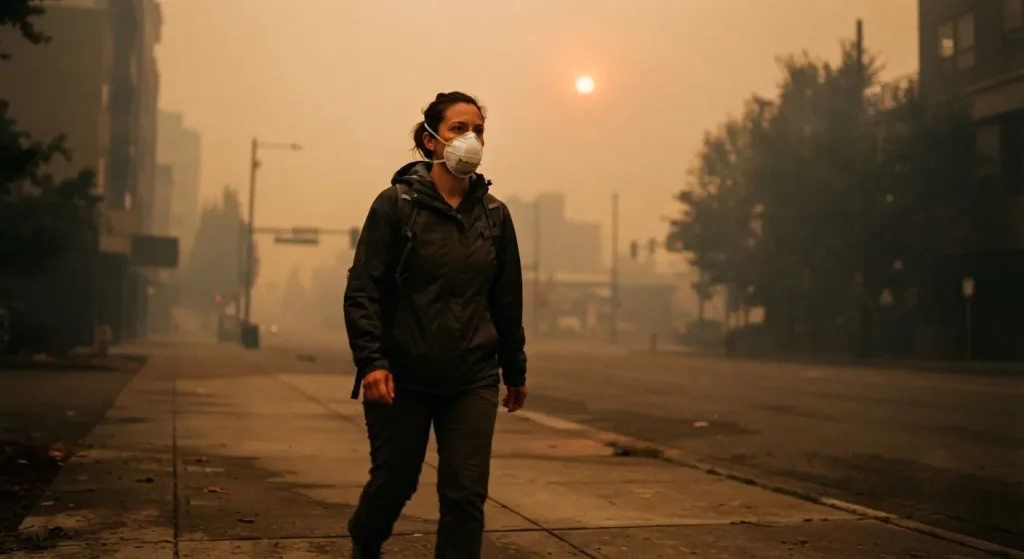
If outdoor travel is unavoidable, consider wearing a properly fitted N95 respirator during periods of heavy smoke. Limit strenuous exercise and monitor local emergency alerts issued by your community.
You can also follow wildfire updates from the National Interagency Fire Center and review preparedness guidance from Ready.gov before conditions worsen.
Prepare Before Smoke Arrives
Create a clean-air room inside your home, replace HVAC filters regularly, keep emergency supplies available, and monitor official forecasts. Families living in wildfire-prone regions should have an emergency evacuation plan and essential medications ready.
For additional weather updates and emergency forecasts, visit the National Weather Service.
Wildfire smoke has become a recurring seasonal challenge across many parts of the United States. By staying informed, monitoring air quality, and taking simple precautions at home, families can reduce exposure and better protect their health throughout wildfire season.
#WildfireSmoke #AirQuality #IndoorAirQuality #WildfireSeason #AQI #SmokeSafety #HealthyLiving #Climate #USNews