

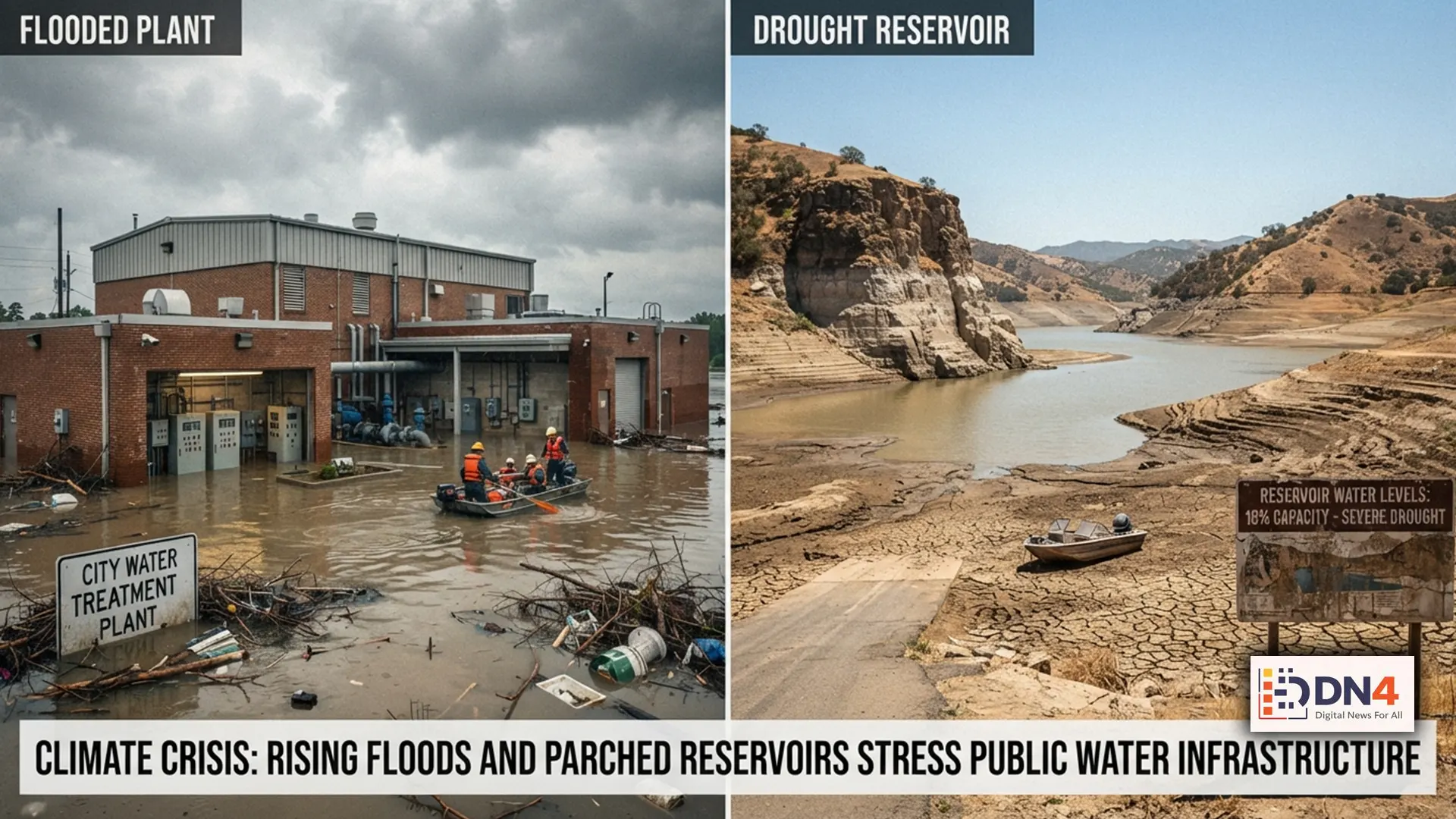
From devastating floods to prolonged droughts and powerful storms, extreme weather events are placing unprecedented pressure on public water systems worldwide. Aging infrastructure, growing populations, and climate-related challenges are making it increasingly difficult for utilities to provide safe, reliable drinking water. As communities face more frequent natural disasters, protecting water security has become a critical public health and economic priority.
According to the U.S. Environmental Protection Agency (EPA), public water systems serve millions of Americans every day, making resilient infrastructure essential for maintaining clean and safe drinking water during emergencies.
How Extreme Weather Disrupts Water Systems
Flooding can overwhelm treatment facilities, damage pipelines, and introduce contaminants into drinking water supplies. Conversely, prolonged droughts reduce reservoir levels, strain groundwater resources, and increase competition for limited water supplies. The National Oceanic and Atmospheric Administration (NOAA) reports that climate-related weather extremes are becoming more frequent and intense in many regions, increasing the risk of infrastructure failures.
The Public Health Risks
When water treatment systems are disrupted, communities may face boil-water advisories or temporary service interruptions. Contaminated water can increase the risk of waterborne illnesses, particularly among children, older adults, and individuals with weakened immune systems. The Centers for Disease Control and Prevention (CDC) recommends following local public health guidance whenever drinking water quality is compromised.
Economic and Community Impacts
Reliable water infrastructure supports homes, hospitals, schools, agriculture, and businesses. Damage caused by hurricanes, wildfires, or severe storms can result in costly repairs, disrupt local economies, and delay recovery efforts. The World Bank notes that investing in resilient water infrastructure helps reduce long-term economic losses associated with climate-related disasters.
Building More Resilient Water Systems
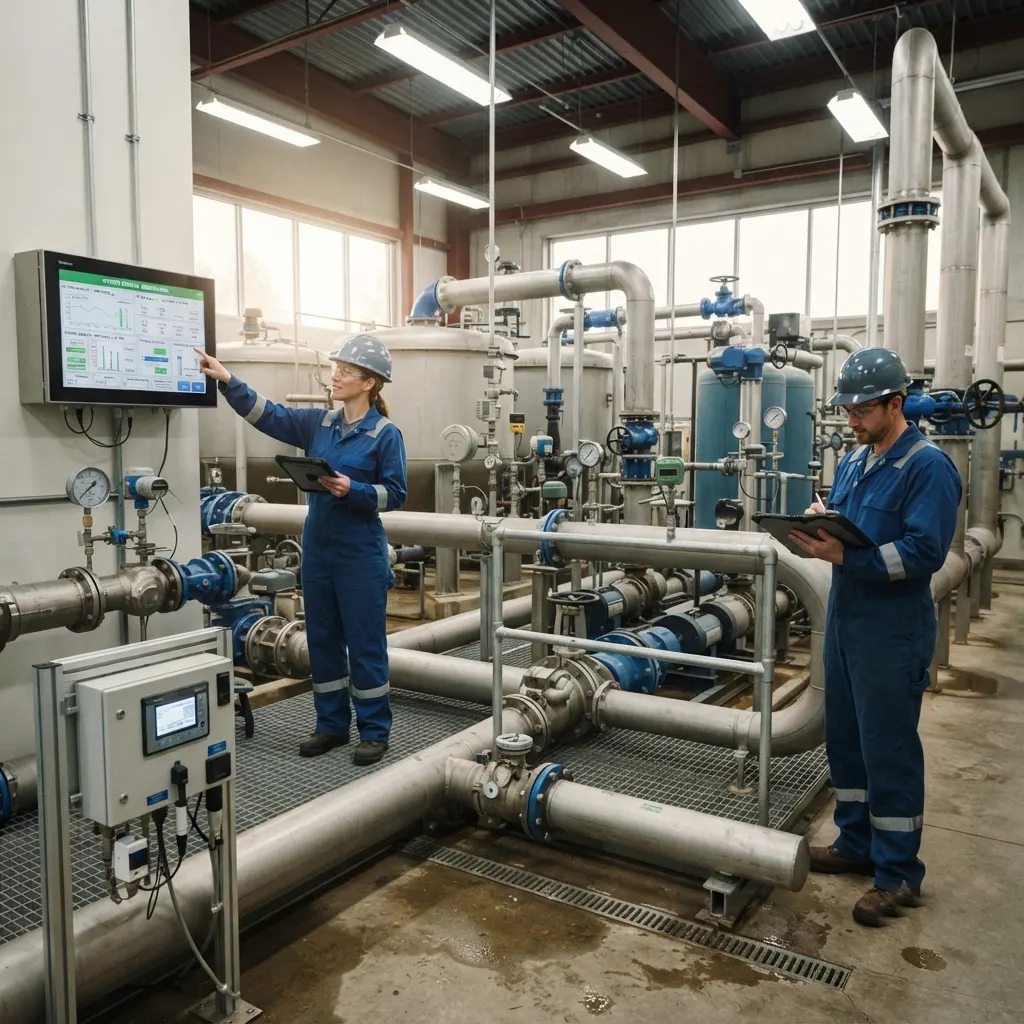
Many utilities are upgrading aging pipelines, improving flood protection around treatment plants, and investing in advanced monitoring technologies. Emergency preparedness plans, backup power systems, and diversified water sources can also improve resilience during extreme weather events. Guidance from the Federal Emergency Management Agency (FEMA) emphasizes the importance of strengthening critical infrastructure before disasters occur.
What Households Can Do
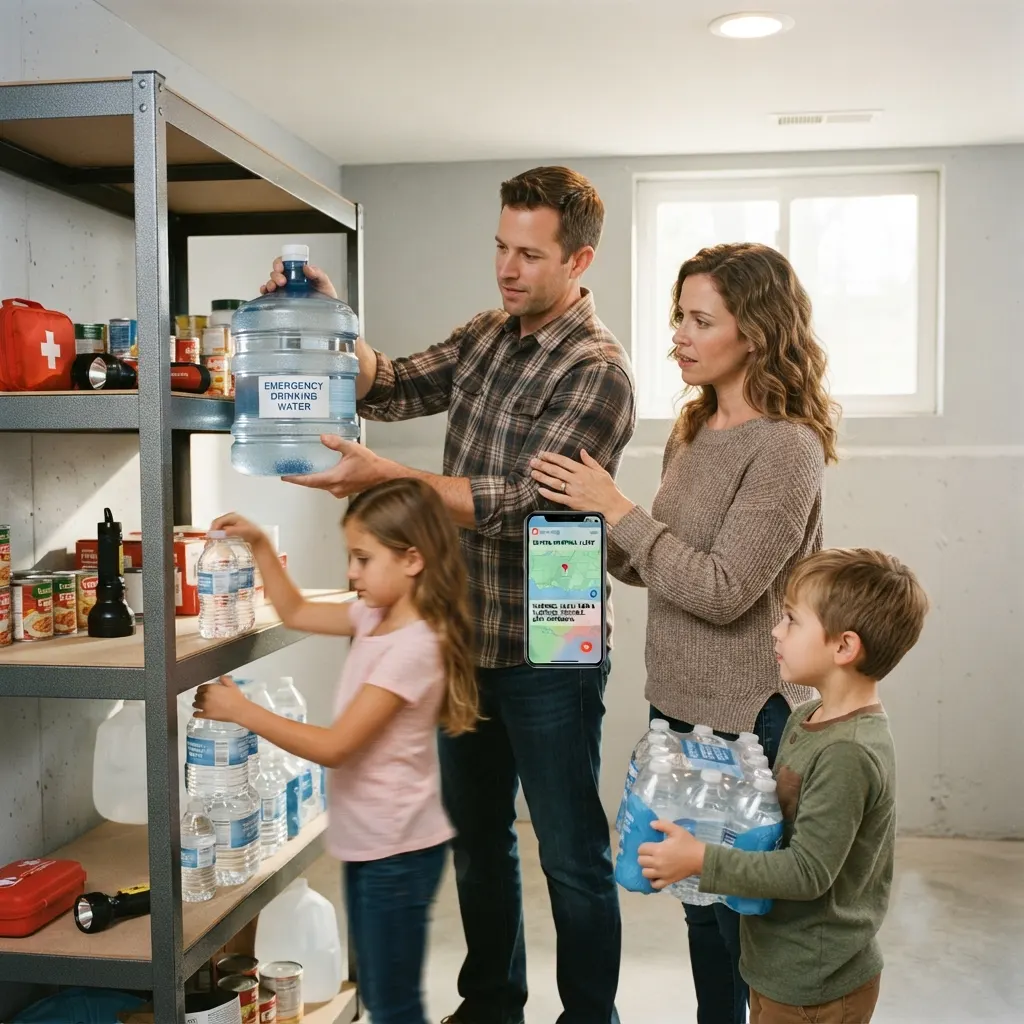
Families can prepare by storing an emergency supply of drinking water, knowing how to respond to boil-water advisories, and staying informed through local emergency alerts. Water conservation practices, such as repairing leaks and using water-efficient appliances, also help reduce pressure on public systems during drought conditions. Resources from the UNICEF Water, Sanitation and Hygiene (WASH) program provide additional guidance on protecting access to safe water during emergencies.
As climate patterns continue to evolve, protecting public water systems will require coordinated investments, modern infrastructure, and community preparedness. Governments, utilities, and residents all have a role in strengthening water security to ensure safe, reliable access to drinking water—even during the most challenging weather events. Building resilient systems today can help communities better withstand tomorrow’s climate risks.
#WaterSecurity #ClimateChange #PublicHealth #WaterSafety #ExtremeWeather #Infrastructure #Environment #DrinkingWater #Sustainability