


Air pollution remains one of the leading environmental risks to human health, affecting millions of people every year. During the warmer months, higher ozone levels and wildfire smoke can significantly reduce air quality, increasing the risk of breathing problems, especially for children, older adults, pregnant women, and individuals with asthma or chronic lung conditions. Fortunately, a few simple precautions can help reduce your exposure and protect your respiratory health.
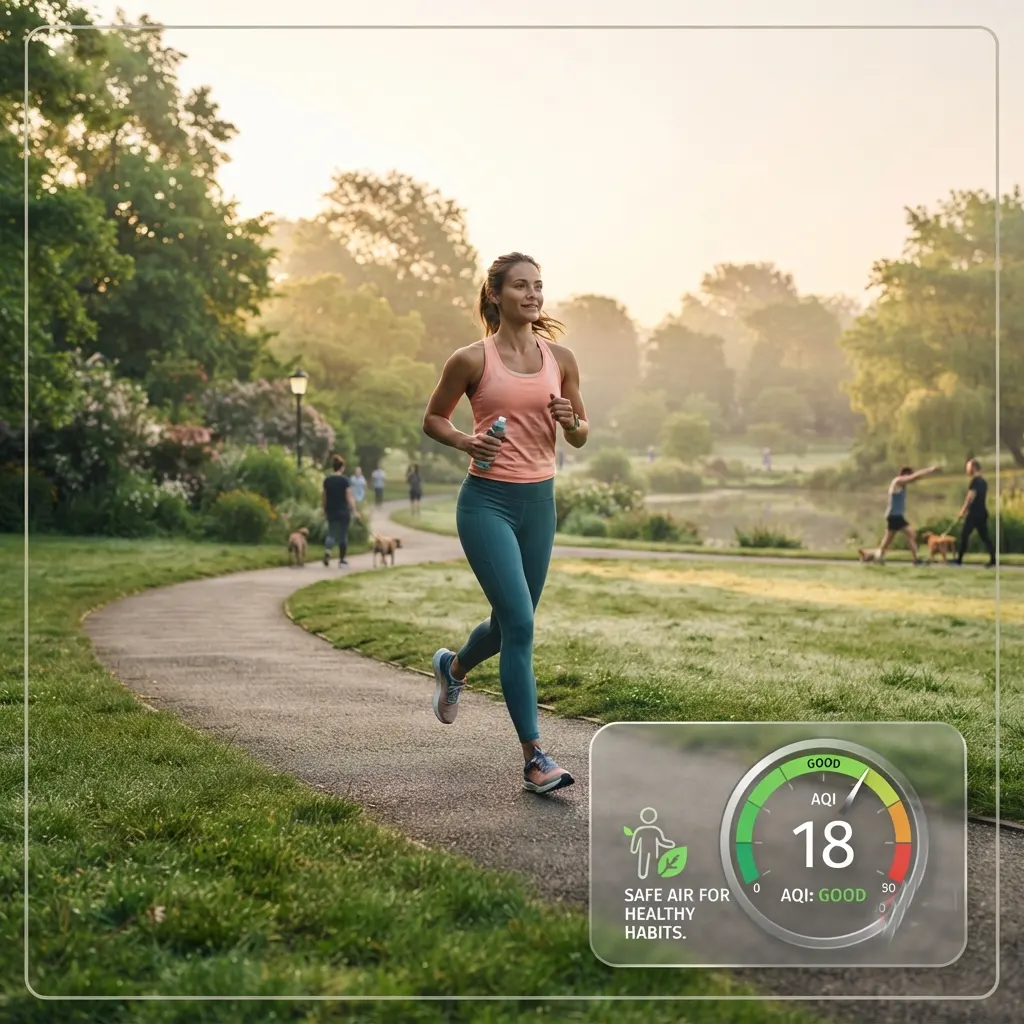
According to the U.S. Environmental Protection Agency’s AirNow, checking the daily Air Quality Index (AQI) is one of the easiest ways to determine whether outdoor air is safe for physical activity. The AQI measures pollutants such as ground-level ozone and fine particulate matter (PM2.5), which are commonly elevated during heat waves and wildfire events.
Understand the Difference Between Ozone and Smoke
Ground-level ozone forms when sunlight reacts with pollutants emitted by vehicles, factories, and other sources. Wildfire smoke, though, contains tiny particles that travel deep into the lungs and even reach the bloodstream. The Centers for Disease Control and Prevention (CDC) explains that both pollutants can trigger coughing, throat irritation, chest discomfort, and worsening symptoms for people with respiratory diseases.
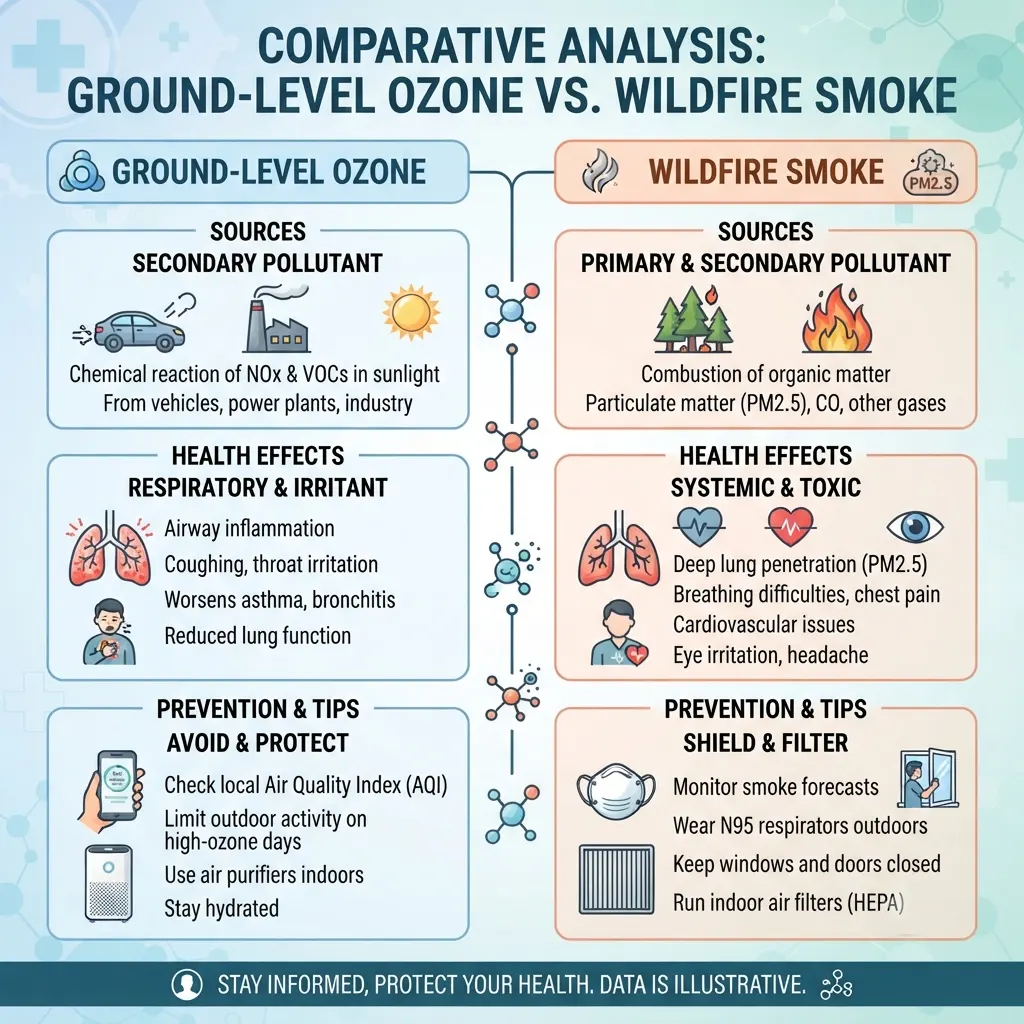
Limit Outdoor Activities During Poor Air Quality
When AQI levels reach unhealthy ranges, experts recommend reducing strenuous outdoor exercise. This is especially important in the afternoon, when ozone concentrations are often highest. If you need to be outside, try scheduling walks or workouts for early morning. Air quality is typically better then.
Keep Indoor Air Cleaner
Closing windows and using high-efficiency air filters can help reduce smoke particles entering your home. Portable HEPA air purifiers may improve indoor air quality, particularly during wildfire season. The American Lung Association recommends creating a clean-air room where family members can spend time when outdoor pollution levels are elevated.
Wear Appropriate Protection When Necessary
If you must spend time outdoors during heavy smoke, an N95 respirator can help. A properly fitted one reduces exposure to harmful fine particles. However, cloth masks and standard surgical masks are generally not designed to filter smoke particles effectively. Guidance from the National Institute for Occupational Safety and Health (NIOSH) explains how certified respirators provide better protection when worn correctly.
Know When to Seek Medical Advice
Persistent coughing, wheezing, shortness of breath, or chest pain should not be ignored. Individuals with asthma, chronic obstructive pulmonary disease (COPD), or heart disease should follow their healthcare provider’s treatment plan and keep rescue medications readily available. The National Heart, Lung, and Blood Institute provides resources on managing chronic lung conditions during periods of poor air quality.
Protecting Your Lungs Every Day
Reducing exposure to air pollution doesn’t always require major lifestyle changes. Monitoring the AQI, improving indoor air quality, staying hydrated, avoiding outdoor exercise during pollution peaks, and following public health guidance can significantly reduce health risks. As climate conditions continue to influence air quality in many regions, staying informed and taking preventive steps remains one of the best ways to protect your lungs and overall well-being.
#AirPollution #LungHealth #AirQuality #HealthyLiving #WildfireSmoke #Ozone #RespiratoryHealth #Wellness #HealthTips