

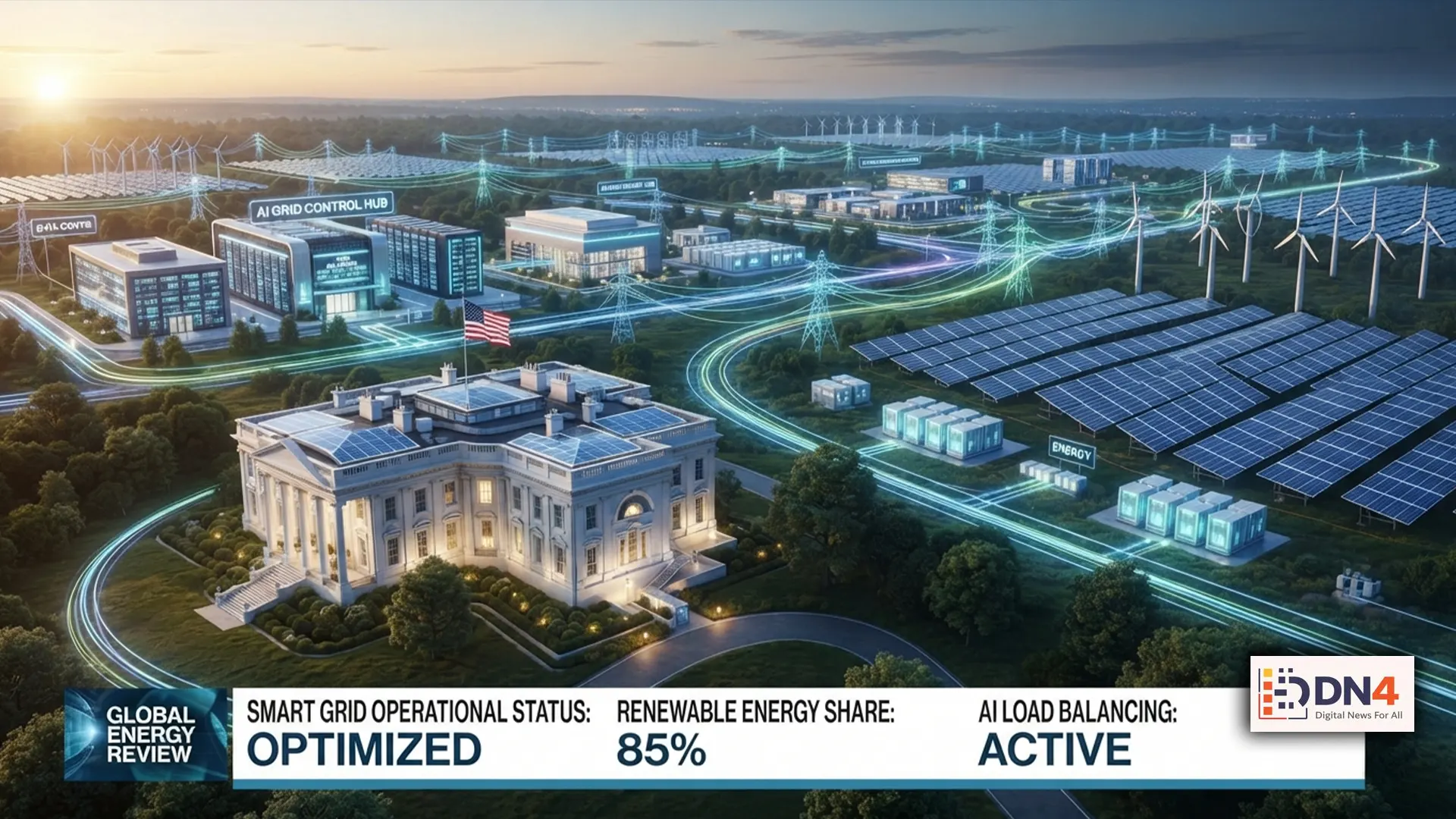
Artificial intelligence is transforming industries at an unprecedented pace, but its rapid growth comes with a significant challenge: electricity demand. As AI-powered data centers consume increasing amounts of energy, policymakers and consumers alike are asking who should bear the cost of expanding the nation’s power infrastructure. The White House’s newly introduced AI Ratepayer Pledge seeks to answer that question by encouraging leading technology companies to help fund grid improvements rather than shifting those costs directly onto households and small businesses.
The initiative represents a growing effort to balance America’s AI ambitions with affordable electricity prices. If successful, it could become a defining policy for how governments and the private sector cooperate to build the digital economy without burdening everyday consumers.
Why AI Is Driving Electricity Demand
Generative AI systems require enormous computing power. Every large language model, AI assistant, and cloud-based application depends on energy-intensive data centers operating around the clock. According to the International Energy Agency (IEA), global electricity demand from data centers is expected to rise significantly during the coming decade as AI adoption accelerates.
Technology giants continue investing billions of dollars in AI infrastructure, creating unprecedented demand for reliable electricity and modern transmission networks.

What Is the AI Ratepayer Pledge?
The pledge encourages major technology companies to contribute toward infrastructure investments needed to support expanding AI operations instead of passing those costs onto residential electricity customers. According to the White House, The White House designed the initiative to encourage responsible AI development while protecting consumers from unnecessary increases in utility bills.
Rather than relying entirely on public utilities or taxpayers, Participating companies will invest directly in cleaner power generation, transmission upgrades, and grid resilience.
Why Consumers Should Care
Electricity demand has historically grown at a predictable pace. AI has dramatically changed those forecasts. New hyperscale data centers require vast amounts of power, raising concerns that utilities may eventually recover infrastructure costs through higher customer rates.
The U.S. Department of Energy has emphasized the importance of expanding grid capacity while maintaining affordability and reliability for consumers.
How Big Tech Could Help
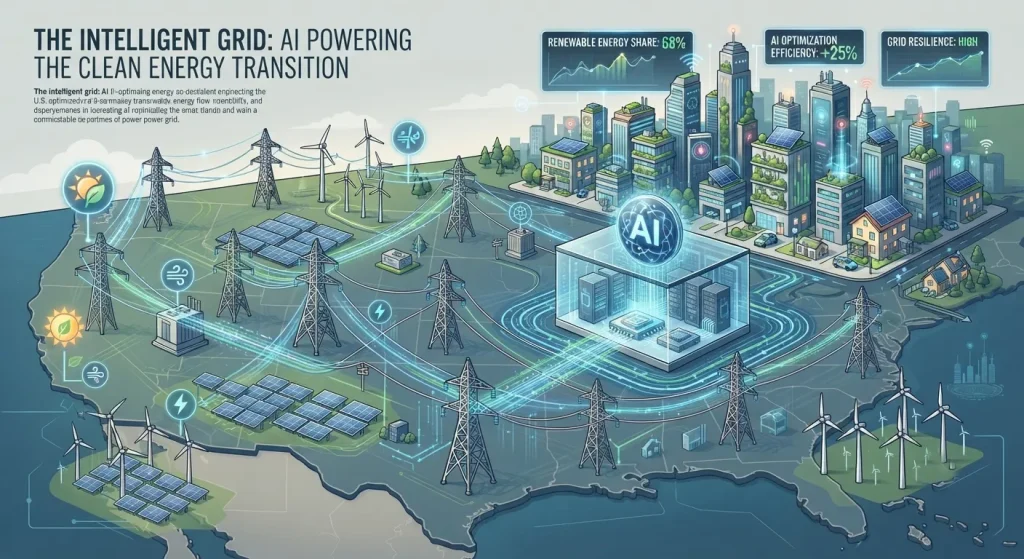
Many technology companies are already investing in renewable energy projects, battery storage, and advanced nuclear technologies to meet their growing electricity needs. Analysts believe these private investments could reduce pressure on public utilities while accelerating clean energy deployment.
Financial experts from Goldman Sachs have noted that AI infrastructure spending is becoming one of the largest long-term investment themes across technology and energy markets.
Challenges Ahead
Although the pledge represents a positive step, implementation remains complex. Energy regulation largely occurs at the state level, while utility pricing depends on public utility commissions. Questions remain about how Technology companies, utilities, and regulators will share infrastructure costs, utilities, regulators, and consumers.
Industry coverage from Reuters and CNBC suggests that future partnerships between government, utilities, and private companies will be essential for balancing innovation with affordability.
The White House’s AI Ratepayer Pledge reflects a broader recognition that artificial intelligence is reshaping not only technology but also America’s energy landscape. Policymakers want major technology firms to help fund new power infrastructure. As a result, they hope to protect consumers while supporting continued AI innovation. Whether the initiative succeeds will depend on industry participation, regulatory cooperation, and continued investment in reliable, affordable, and sustainable energy systems.
For consumers, the pledge offers reassurance that future AI growth does not necessarily have to translate into higher monthly electricity bills.
Frequently Asked Questions
What is the AI Ratepayer Pledge?
It is a White House initiative encouraging technology companies to contribute toward electricity infrastructure investments needed to support expanding AI operations.
Why does AI increase electricity demand?
Large AI models require massive computing resources hosted in energy-intensive data centers operating continuously.
Will the pledge lower electricity bills?
Its primary goal is to prevent infrastructure costs from being passed entirely to residential utility customers, although long-term impacts will depend on implementation.
#ArtificialIntelligence #AI #Electricity #Energy #PowerGrid #BigTech #WhiteHouse #TechPolicy #CleanEnergy #DigitalInfrastructure #Innovation