

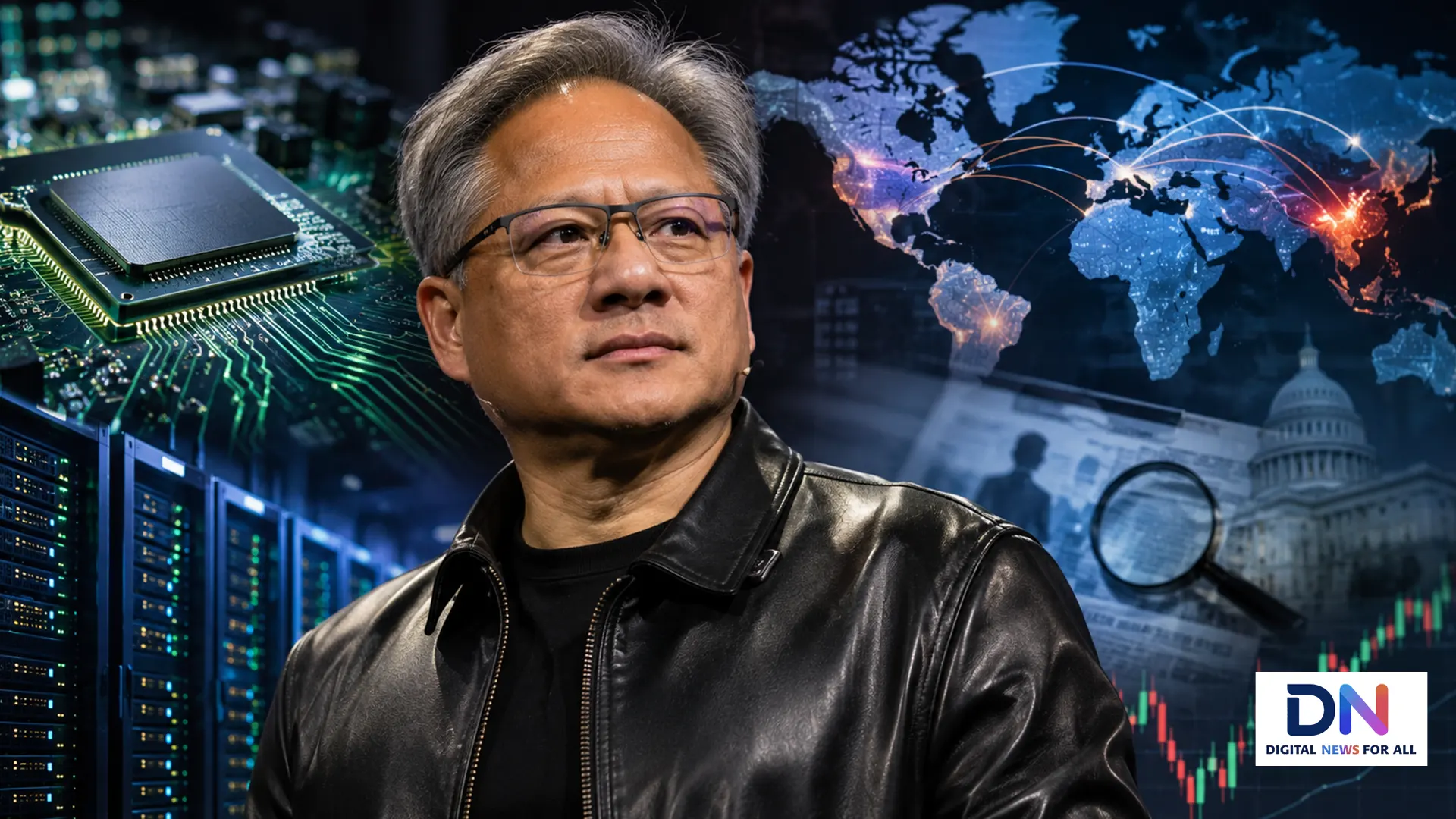
Nvidia is facing an unexpected corporate and national security controversy after its board announced an independent investigation involving CEO Jensen Huang and reports of a foreign intelligence operation. The developments have raised questions about executive security, confidential business information, and the growing geopolitical competition surrounding artificial intelligence.
The controversy became public on November 8, 2026, following reports that Huang had developed a personal relationship with Alice Huang, a former executive associated with Singapore-based semiconductor company Megaspeed. US intelligence reportedly suspected that she was connected to Chinese intelligence activities. However, these allegations have not been independently established in a public investigation. Reuters’ reporting provides an overview of the allegations and Nvidia’s response.
Why Nvidia Launched an Investigation
Nvidia’s board confirmed that independent directors, supported by external legal counsel, would examine available information surrounding reports that Huang had been targeted by a foreign intelligence effort.
Importantly, the company stated that it had no reason to believe national security or Nvidia’s confidential information had been compromised. Huang has expressed support for the review and committed to cooperating fully. The official Nvidia board statement emphasizes that the investigation remains ongoing.
The Allegations Behind the Controversy
Reporting has connected the controversy to Alice Huang, whose professional association with Megaspeed has attracted attention because of concerns surrounding access to advanced AI chips. The company has faced scrutiny over suspected attempts to obtain restricted Nvidia technology for China.
Jensen Huang separately acknowledged in a message to employees that he had been unfaithful to his wife and apologized to his family, colleagues, partners, and shareholders. However, acknowledging a personal relationship does not establish participation in espionage or prove that confidential information was transferred.
The Associated Press has reported on the company’s investigation and the broader national security concerns. Meanwhile, CBS News has examined the allegations and Nvidia’s official response.
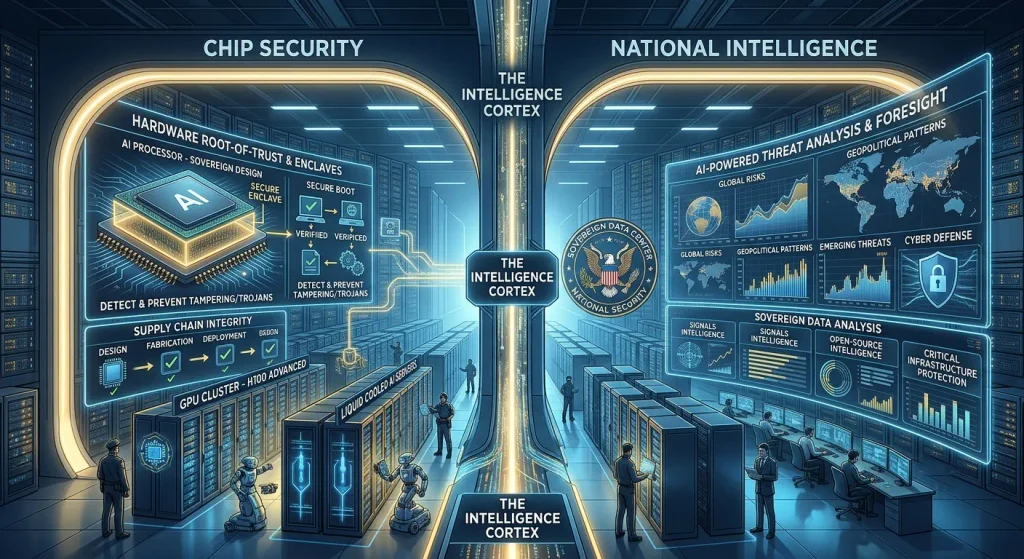
Why the US-China AI Rivalry Matters
Nvidia occupies a central position in the global artificial intelligence industry. Its advanced processors power data centers, machine-learning systems, and numerous commercial AI applications.
Consequently, any credible security concern involving its leadership attracts attention beyond ordinary corporate governance. US restrictions on advanced semiconductor exports to China have already made chip distribution a sensitive geopolitical issue.
The Guardian’s analysis explores how the controversy intersects with US-China relations and the global technology competition.
Potential Consequences for Nvidia
The investigation could create uncertainty among investors, business partners, and government stakeholders. Nvidia’s dependence on Huang’s public leadership makes the situation particularly significant.
The Washington Post reports that Huang is expected to remain CEO while the investigation proceeds. Investors will likely watch for updates concerning corporate governance, leadership continuity, and possible regulatory implications.
The Nvidia intelligence controversy highlights how personal relationships, corporate security, and international technology competition can intersect. However, allegations must not be confused with established espionage findings. Nvidia’s independent investigation has yet to determine whether any sensitive information was compromised.
For now, the outcome will matter not only to Nvidia shareholders but also to the wider AI industry, where semiconductor security and international trust are increasingly important.
#Nvidia #JensenHuang #NvidiaInvestigation #SpyProbe #ArtificialIntelligence #ChinaUSRelations #AIChips #Semiconductors #TechNews #WallStreet