


Defense Secretary Pete Hegseth is facing renewed congressional pressure as lawmakers prepare to debate articles of impeachment and scrutinize his leadership at the Pentagon. The latest effort comes from Republican Representative Thomas Massie, who plans to reintroduce an eight-article resolution when the House returns on November 9, 2026. The move could force lawmakers to take a public position on the administration’s military decisions, particularly its handling of the war with Iran.
Why Massie Is Pushing for Impeachment
Massie’s resolution accuses Hegseth of serious abuses of authority, including conducting military operations without proper congressional authorization. Other allegations concern civilian casualties, military strikes against suspected drug-trafficking vessels, the handling of sensitive information and the Pentagon’s scrutiny of Senator Mark Kelly.
These are allegations contained in an impeachment resolution, not findings established by a congressional trial. Hegseth has rejected the effort, describing it as political theater. The Pentagon has also defended his leadership and criticized the accusations.
CBS News’ November 9 report explains the eight articles and the potential timetable. ABC News’ coverage also describes the political divisions surrounding the proposed vote.
Democrats Have Filed Separate Articles
Massie’s initiative is not the only impeachment effort involving Hegseth. In April, Democratic Representative Yassamin Ansari introduced a separate resolution containing six articles. Those allegations included unauthorized military action, alleged violations of the laws of armed conflict, mishandling sensitive information and obstruction of congressional oversight.
The two initiatives have different sponsors and distinct resolutions. Their overlap reflects broader congressional concerns about military authority, civilian protection and executive accountability.
CBS News’ report on the Democratic resolution details its allegations and the Pentagon’s response. The Washington Post’s September coverage provides additional background on Massie’s earlier attempt to force a House vote.
What Congress Can Investigate
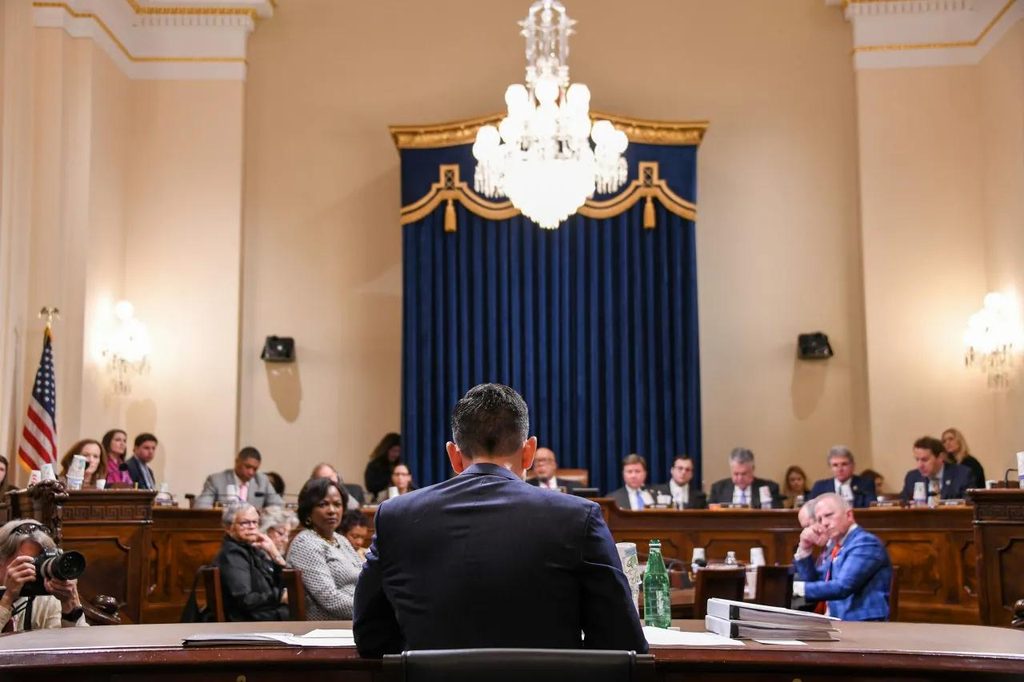
Impeachment is only one part of congressional oversight. Committees can request documents, conduct hearings, question administration officials and examine how the Pentagon makes decisions. These investigations can continue even if an impeachment resolution fails.
Following the November midterm elections, Democrats are also preparing to use their incoming House majority to investigate administration actions. They will not take control until January 2027, but the transition could shape the next phase of Pentagon oversight.
ABC News’ overview of the Democrats’ investigative agenda describes their plans for expanded congressional scrutiny. Anadolu Agency’s reporting covers the dispute over congressional oversight and impeachment discussions.
The Constitutional Hurdles Ahead
The House can approve articles of impeachment by a simple majority. Removal from office requires a two-thirds vote in the Senate after a trial. Even if the House advances the resolution, securing that Senate threshold would be a substantial obstacle.
The coming debate will test lawmakers’ willingness to challenge defense leadership and examine the limits of presidential and military authority. For Hegseth, the immediate question is whether he can retain congressional confidence while defending the administration’s decisions. For Congress, the larger issue is how effectively it can exercise oversight during an ongoing military conflict.
#PeteHegseth #HegsethImpeachment #Pentagon #Congress #ThomasMassie #USPolitics #MilitaryOversight #Impeachment #DefenseDepartment