

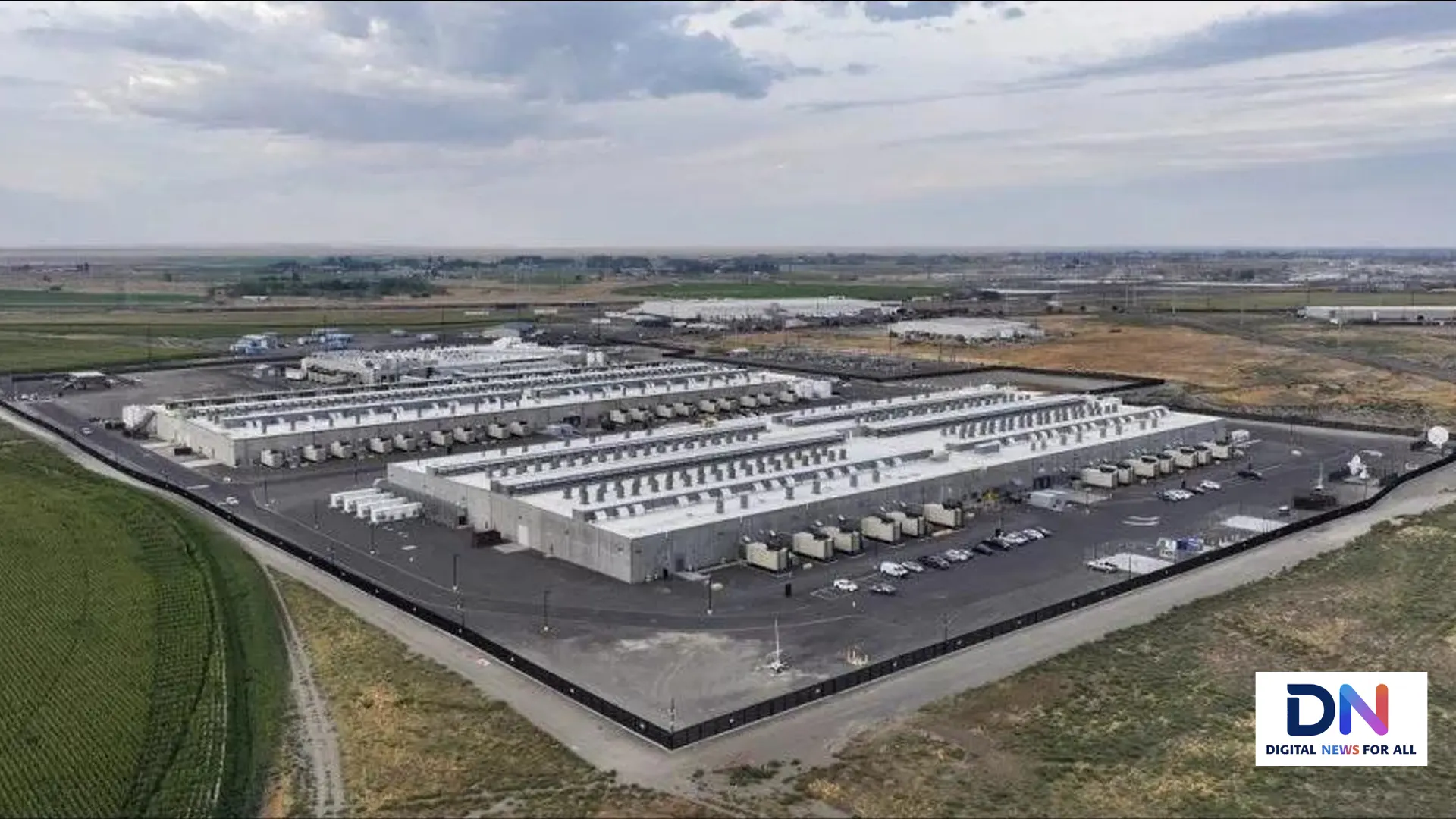
Google’s planned $17 billion data center investment near Cheyenne, Wyoming, puts a major question at the center of America’s artificial intelligence boom: how will communities supply enormous computing facilities with electricity and water? The project combines a large natural-gas fuel-cell development with carbon-capture plans and an air-cooled data center. Its scale could bring economic opportunities, but it also raises important questions about the region’s long-term energy and environmental future.
A Massive Investment in AI Infrastructure
Google announced its first Wyoming data center on November 5, 2026. The company is partnering with Tallgrass Energy, Black Hills Energy, American Electric Power and Related Digital. Google says the investment could generate hundreds of millions of dollars in local property taxes while supporting construction, skilled trades and technology-related employment.
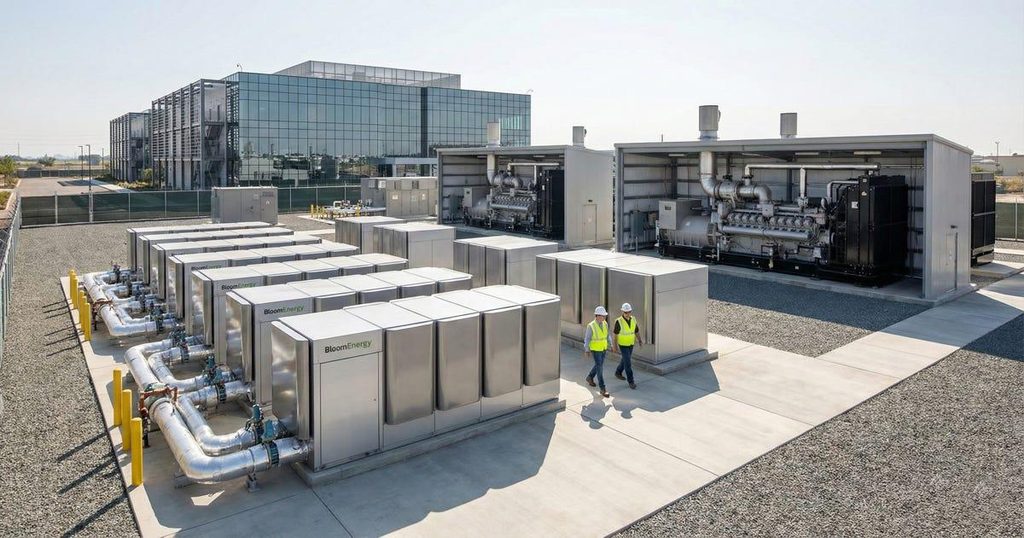
The energy strategy is particularly significant. AEP plans to develop a 702-megawatt fuel-cell facility near Cheyenne under a 20-year power agreement with Google. Bloom Energy will supply the fuel-cell technology. AEP expects the project to become operational by the end of 2028.
According to Google’s official announcement, the company will also obtain electricity from gas generators operated by its energy partners. The AEP project announcement outlines the fuel-cell investment and planned carbon-capture integration.
Can Fuel Cells Reduce the Energy Footprint?
Fuel cells generate electricity through an electrochemical process rather than conventional natural-gas combustion. This can offer operational advantages, including reliable power for facilities that need electricity around the clock. However, the planned Wyoming system will use natural gas. That means its overall climate impact depends partly on fuel supply, operating efficiency and whether carbon capture performs as intended.
Google says captured carbon dioxide will be stored at Tallgrass’s nearby Eastern Wyoming Sequestration Hub. Yet carbon capture is a complex technology, and its actual performance, cost and long-term storage effectiveness require scrutiny. The Washington Post’s reporting on data-center gas projects highlights broader concerns about fossil-fuel infrastructure being built to serve AI demand.
Water Use Remains a Critical Western Concern
Water scarcity is a major issue across the American West. Data centers traditionally use water-intensive cooling systems, but Google says its Wyoming facility will be air-cooled to reduce pressure on local water resources.
Earlier public-project reporting cited an estimated 20 million to 30 million gallons of annual water use for domestic, maintenance and safety needs. Google representatives also described plans to draw from deeper underground wells. These estimates and proposed arrangements deserve continued public monitoring as construction advances.
WyoFile’s local reporting examines community concerns, while Wyoming Tribune Eagle reporting details the project’s earlier public discussions about water and energy.
Economic Growth Versus Environmental Accountability
The project could strengthen Wyoming’s role in the national technology economy. However, residents will want transparent reporting on electricity demand, water withdrawals, wastewater management and carbon storage. Data Center Dynamics’ project coverage provides additional details about the planned campus and its development timeline.
Ultimately, Wyoming’s $17 billion investment represents more than a technology expansion. It is a test of whether AI infrastructure can grow while protecting local resources. The project’s long-term success will depend not only on computing capacity, but also on measurable environmental performance and public accountability.
#WyomingDataCenter #Google #ArtificialIntelligence #AIEnergy #FuelCells #BloomEnergy #WaterResources #CarbonCapture #DataCenterExpansion