

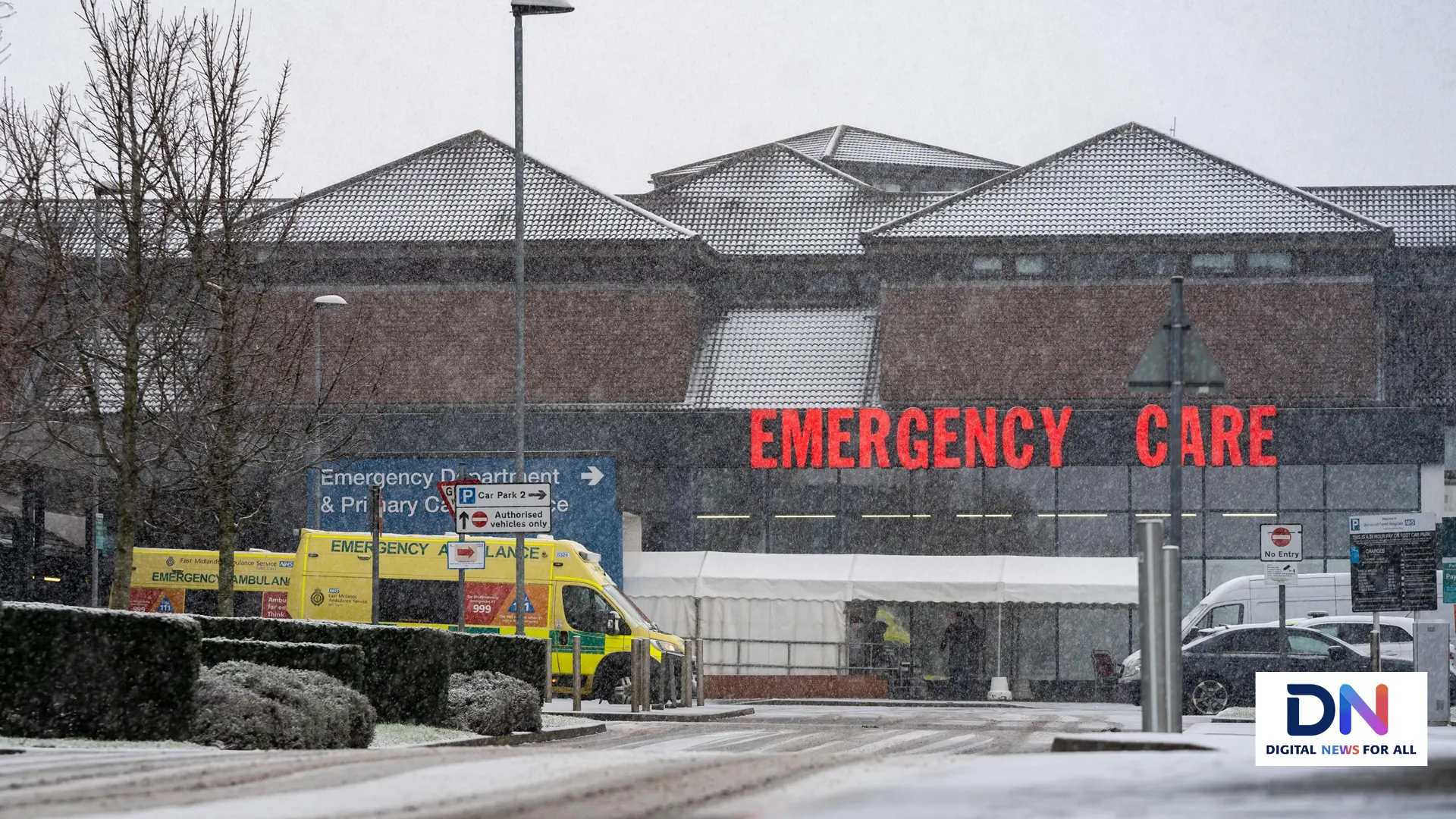
Winter storms can turn routine healthcare operations into a major regional challenge. Heavy snowfall, freezing temperatures, icy roads and power outages threaten access to hospitals across suburban America. For regional health systems, preparedness involves more than clearing parking lots. Hospitals must protect emergency services, maintain electricity, secure medical supplies and ensure enough doctors and nurses can reach patients when communities become difficult to navigate.
Hospitals Prepare Before the First Snowfall
January 2026’s Winter Storm Fern demonstrated how quickly severe weather can disrupt healthcare delivery. Hospitals across several states activated emergency plans, established command centers and arranged accommodations for essential workers. Some systems postponed elective procedures and closed outpatient facilities while keeping emergency departments operational.
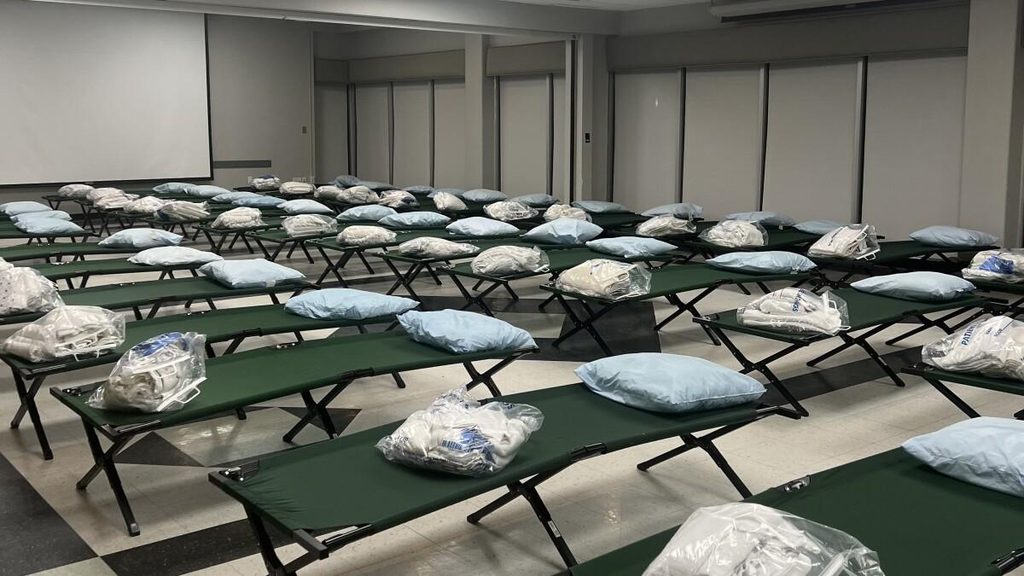
The University of Maryland Medical System prepared accommodations for more than 500 employees, including temporary sleeping arrangements inside hospitals and hotel stays. It also increased inventories of medications, medical supplies, equipment and food. Its dedicated logistics center provided another way to distribute essential resources across the region.
The health system’s January preparedness announcement illustrates how large regional networks coordinate staffing, supplies and patient care before severe weather arrives.
Protecting Emergency Care and Hospital Staffing
Staff transportation is one of the most difficult winter challenges. Nurses, physicians, technicians and support personnel may live miles away from their workplaces. Snow-covered roads can prevent normal shift changes and create shortages precisely when emergency departments need experienced teams.
During the January storm, Pittsburgh-area providers including UPMC, Allegheny Health Network and St. Clair Health prepared contingency arrangements for staffing, transportation and supplies. Some hospitals offered overnight accommodations so essential employees could remain available.
The Pittsburgh Post-Gazette’s reporting describes how regional hospitals prepared for travel difficulties and changing patient demand. Healthcare Brew’s post-storm review also documents staffing and operational responses across several health systems.
Backup Power and Supply Chains Become Critical
Hospitals depend on electricity for life-support equipment, ventilation, heating, medication storage and digital patient records. Backup generators and reliable fuel supplies are therefore essential. Water systems also matter: frozen pipes or disrupted municipal supplies can affect sanitation and clinical operations.
The Department of Health and Human Services’ ASPR TRACIE utility-failure resources explain how power and water disruptions can threaten healthcare facilities. The Centers for Medicare & Medicaid Services also emphasizes all-hazards emergency planning, including severe weather and transportation disruption.
Why Preparedness Must Extend Beyond Hospitals
Suburban healthcare networks also depend on nursing homes, rehabilitation centers, pharmacies, ambulance services and home healthcare providers. A 2026 federal audit estimated that 73% of U.S. nursing homes had inadequate or unreliable emergency power systems. This finding highlights a serious vulnerability beyond traditional hospital buildings.
The HHS Office of Inspector General report underscores the need to strengthen emergency infrastructure across the wider care network.
Ultimately, winter storm preparedness is a regional responsibility. Hospitals, emergency responders, utilities and care facilities must coordinate before extreme weather arrives. Their ability to maintain essential services can determine whether suburban communities remain protected when normal transportation and infrastructure fail.
#WinterStormPreparedness #SuburbanHospitals #HealthcareCrisis #HospitalEmergencyPlans #PatientSafety #EmergencyMedicine #HealthcareInfrastructure #WinterWeather #PublicHealth