

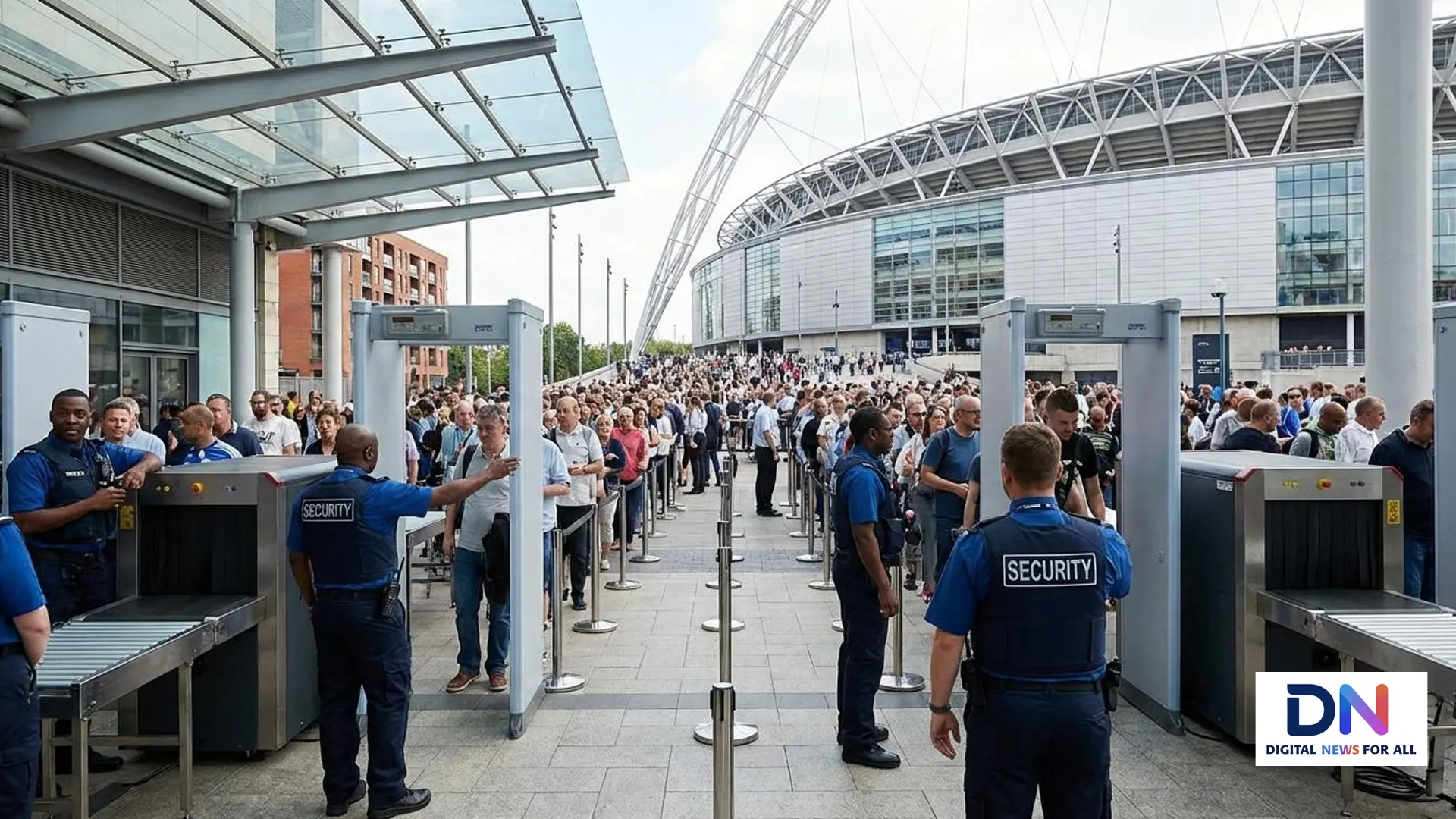
Concert arenas, theaters and major sports venues are under growing pressure to demonstrate that their security plans can respond to serious threats. High-profile shootings and attacks at public gatherings have renewed questions about weapons screening, emergency communication, staff training and crowd evacuation. For venue operators, security is increasingly becoming an ongoing management responsibility rather than a checklist completed before opening night.
Security Reviews Move Beyond Entry Screening
Traditional venue security often focused on ticket checks, bag inspections and visible guards. Modern assessments examine the entire visitor experience, including parking areas, entrances, backstage access, emergency exits and communication systems. Operators must also consider how employees will respond when an incident develops during a crowded performance.
The Cybersecurity and Infrastructure Security Agency provides a Venue Guide for Security Enhancements that recommends risk assessments and protective measures tailored to individual facilities. Its guidance includes access control, perimeter protection, surveillance, crowd management and staff preparedness.
These assessments are not identical across venues. A large indoor arena has different access points, crowd patterns and emergency requirements from a small concert hall. Security planning must reflect each facility’s design, event profile and available resources.
Industry Data Highlights Persistent Gaps
The National Center for Spectator Sports Safety and Security’s 2026 Venue Security Director Survey highlights the challenges facing professional and collegiate sports facilities. Among professional venue respondents, 65% identified active shooters as a major security concern, while 70% highlighted illegal weapons entering venues.
The survey also found that approximately 65% of venues had experienced security staffing shortages during the previous two years. Only about 51% of professional respondents reported appropriate screening measures for privately made firearms and weapons. These findings demonstrate why technology alone cannot replace trained personnel and clear procedures.
The NCS4 industry research reports provide additional information about security operations, training and emerging threats. Meanwhile, the 2025 House Homeland Security hearing examined lessons from major security incidents at mass gatherings.
Technology, Training and Emergency Coordination
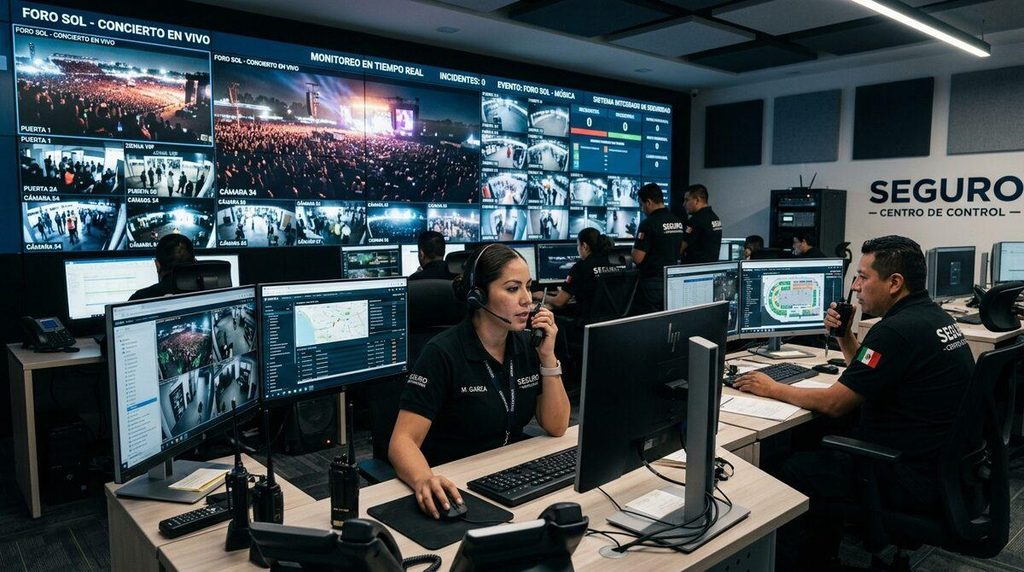
Venue operators are evaluating weapons-detection systems, surveillance cameras, incident-management platforms and drone monitoring. However, adoption varies significantly. The NCS4 survey found that only 28% of professional venue respondents used artificial intelligence for security screening, surveillance or incident response.
Technology must operate alongside trained staff, local law enforcement and emergency medical services. The CISA public-gathering security resources emphasize coordination, incident response planning and employee training.
Some professional leagues also maintain structured security programs. The Department of Homeland Security’s SAFETY Act certification listing recognizes the NBA’s arena security standards, audits and training program.
Will Oversight Become More Demanding?
Congressional hearings, insurance requirements, local regulations and industry standards may increase expectations for documented security reviews. The ISO 22353:2026 crowd-management guidance also provides a framework for planning safe movement and emergency responses at large gatherings.
For audiences, the objective is straightforward: enjoy live entertainment without unnecessary risk. For operators, achieving that goal requires regular audits, realistic emergency exercises and transparent coordination with public safety partners. Stronger preparedness will depend on turning lessons from past incidents into practical improvements before the next event begins.
#VenueSecurity #ConcertSafety #ArenaSecurity #LiveEntertainment #SecurityAudits #PublicSafety #EventManagement #CISA #CrowdSafety