

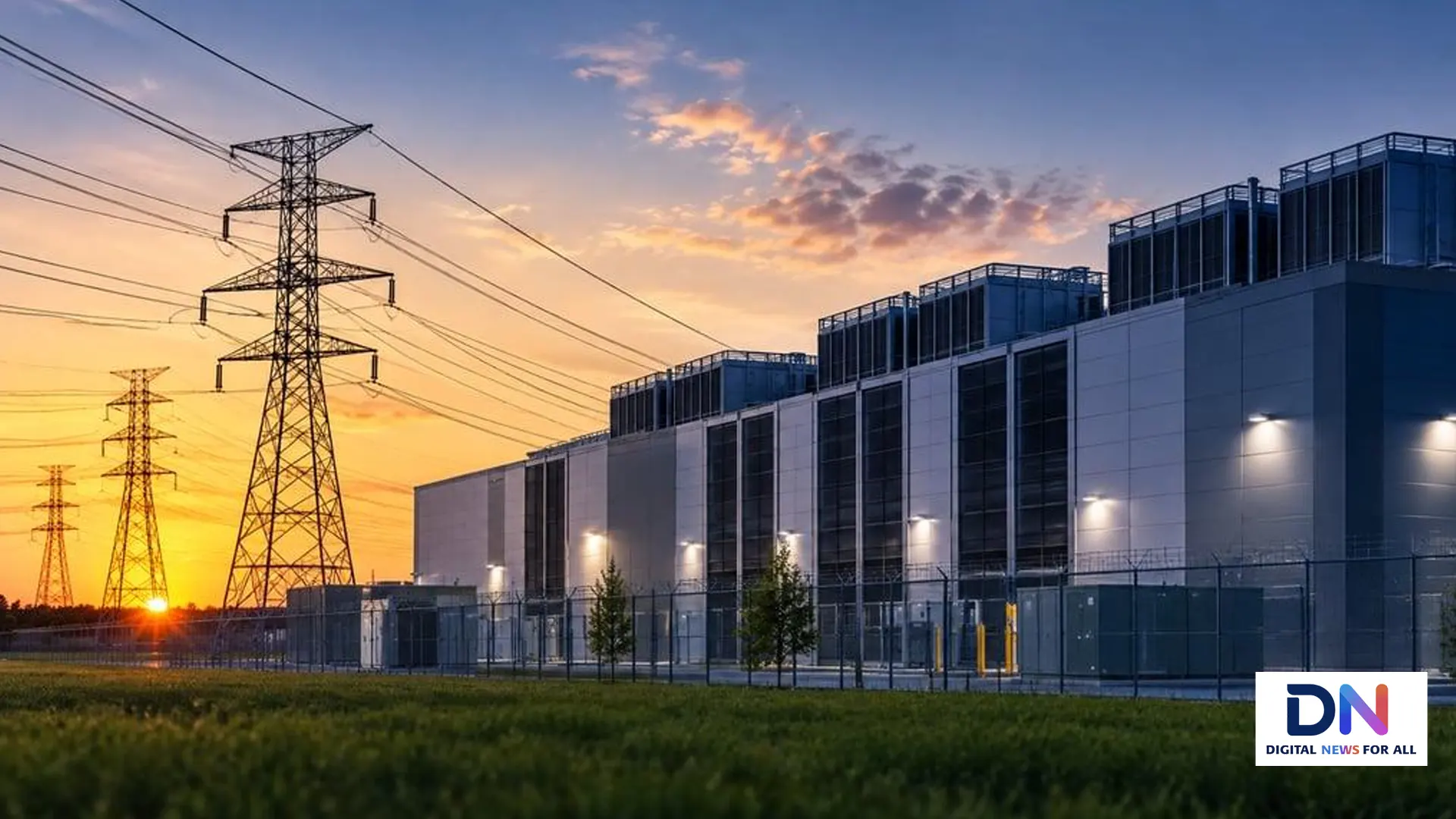
America’s artificial intelligence boom is creating an unexpected challenge for suburban communities: the electricity needed to operate massive data centers. Across several regions, utilities, regulators and consumer advocates are questioning whether the power grid can support rapid expansion without increasing costs for ordinary households.
The debate is particularly visible in the Mid-Atlantic, where PJM Interconnection coordinates electricity across 13 states and Washington, D.C. Its July 2026 assessment identified a growing mismatch between new large electricity users and the pace of additional power generation. PJM estimated that large loads could increase by 70 gigawatts by 2038. Its board has also raised concerns about reliability and affordability. PJM’s grid planning update explains the proposed response.
Utilities Demand Greater Accountability
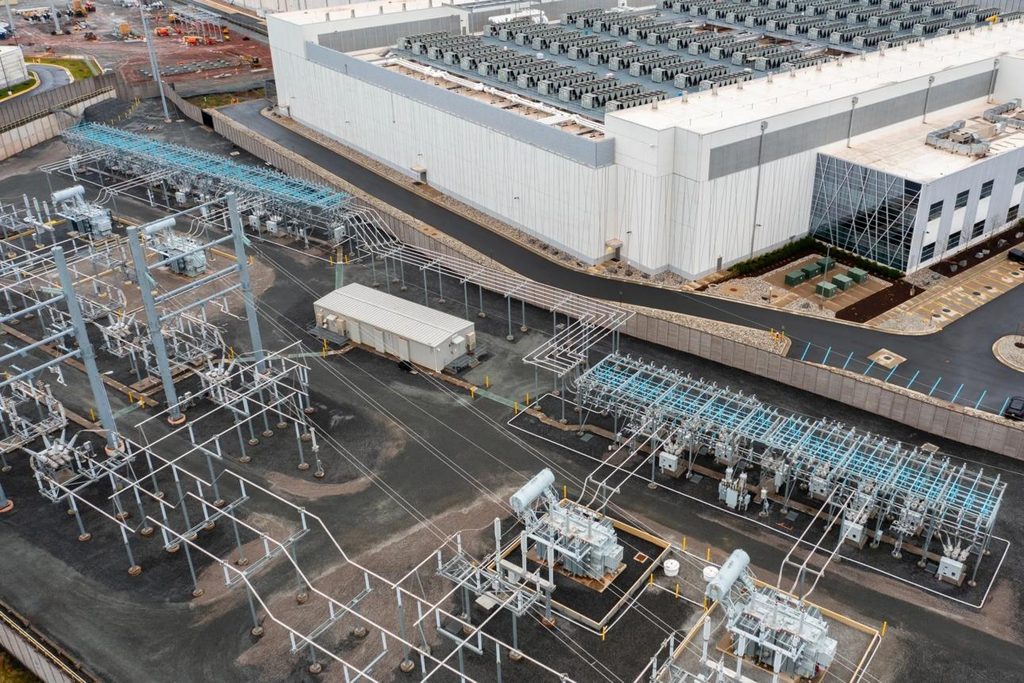
Electricity providers are under pressure to connect new facilities while maintaining reliable service for existing customers. However, data centers can require substantial new substations, transmission equipment and generation capacity. Those investments can become expensive when projects arrive faster than infrastructure can be built.
Virginia offers an important example. State regulators directed Dominion Energy to develop a process that assigns data centers the direct costs of infrastructure built specifically to serve them. The move could shift hundreds of millions of dollars in costs away from the wider customer base. E&E News reported that broader regional transmission expenses remain unresolved.
Consumer advocates in Maryland have also challenged PJM’s proposed procurement of approximately 7,000 megawatts of additional generation. They warned that residential customers could face costs associated with uncertain data center forecasts. The Maryland Office of People’s Counsel argued that developers should bear the financial risks created by their electricity needs.
Regulators Respond to Growing Grid Pressure
Federal regulators are also examining the problem. In June 2026, the Federal Energy Regulatory Commission directed six regional grid operators to justify or reform their rules for connecting data centers and other major electricity users.
Meanwhile, the Congressional Research Service has documented state responses, including special electricity rates, demand-response requirements, financial safeguards and proposals to make data centers provide their own power.
Some states are considering stronger restrictions. New York introduced a temporary pause on certain large data center environmental permits in July 2026, giving officials time to develop additional protections. The Washington Post covered the decision.
Will Households Pay for the AI Expansion?
The financial stakes extend beyond individual utility bills. Building power plants and transmission lines requires long-term investment, while some proposed data centers may be delayed, downsized or canceled. Reuters reported in September that speculative applications had inflated some regional demand forecasts, creating what analysts call “ghost demand.”
Reuters’ investigation highlighted how stricter reviews and financial requirements can help distinguish serious projects from uncertain proposals.
The November midterms may shape future state-level oversight, but the underlying grid debate is already underway. Utilities must balance economic development with reliability and fair pricing. For suburban households, the outcome could determine whether the AI boom brings local investment—or another source of pressure on electricity bills.
#DataCenters #AIInfrastructure #PowerGrid #ElectricityCosts #EnergyCrisis #RegionalUtilities #ArtificialIntelligence #TechIndustry