


College athletics is entering a new financial era as student-athletes receive direct revenue-sharing payments alongside traditional name, image, and likeness (NIL) deals. However, legal challenges, tax obligations, and proposed federal legislation are creating uncertainty for athletes and universities. In November 2026, the debate is shifting from whether athletes should receive compensation to who can regulate it and how the money should be distributed.
The House Settlement Changed College Athlete Compensation
A major turning point came on June 6, 2025, when a federal judge approved the House v. NCAA settlement. The agreement allows participating Division I universities to distribute athletic revenue directly to athletes, subject to an annual spending limit.
For the 2026–27 academic year, the estimated revenue-sharing cap is approximately $21.3 million per participating school. Universities can distribute these funds across their athletic programs, while athletes can continue pursuing qualifying third-party endorsement agreements.
The College Sports Commission oversees important settlement requirements, including reporting and review of certain third-party NIL agreements. The arrangement has created new opportunities, but disputes over compensation limits and enforcement continue.
Federal Court Challenges Put NIL Restrictions Under Pressure
One significant dispute involves USC football player Talanoa Ili and Stanford player Charlie Mirer. Their lawsuit, filed in California federal court in June 2026, challenges restrictions connected to the House settlement’s revenue-sharing framework.
The athletes argue that compensation limits and restrictions on third-party NIL deals violate antitrust principles and certain state laws. They are seeking legal relief that could affect how the NCAA and participating conferences regulate athlete payments.
The litigation remains unresolved. The court has treated the case as related to the broader House litigation, but a final ruling on the central antitrust claims has not been issued.
Meanwhile, disputes within the original settlement have also reached federal judges. A June 2026 ruling rejected proposals to categorically exempt multimedia-rights companies and certain third-party sponsors from review under the settlement’s associated-entity provisions.
These developments show that the boundaries of NIL regulation remain contested. Athletes, universities, sponsors, and administrators are still negotiating how legitimate commercial agreements should be evaluated.
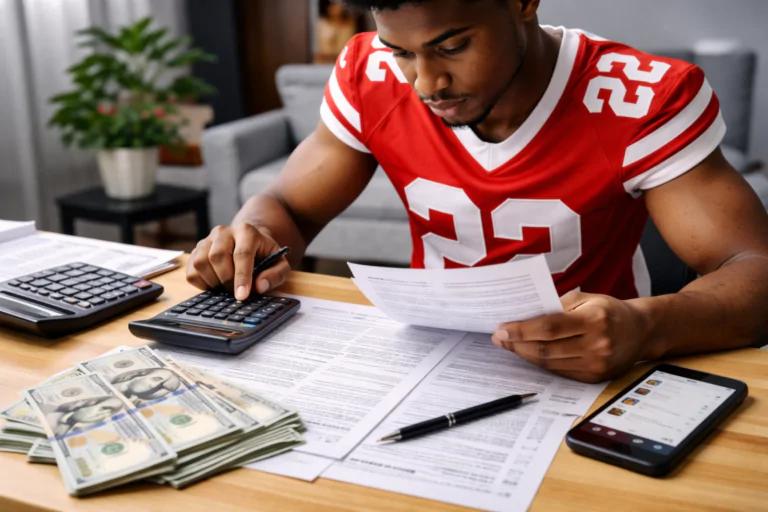
NIL Earnings Bring Significant Tax Responsibilities
Legal eligibility to receive compensation does not mean athletes can ignore taxes. The Internal Revenue Service says NIL income is generally taxable, including cash payments, merchandise, gift cards, and services received in exchange for promotional activities.
Revenue-sharing payments, endorsements, autograph fees, and sponsorship income can create federal tax obligations. Athletes classified as independent contractors may also face self-employment taxes. Their reporting requirements can differ from those of athletes receiving employee wages.
The Taxpayer Advocate Service advises athletes to understand their reporting responsibilities and keep accurate financial records. Tax treatment depends on the nature of each payment and the athlete’s employment status.
Congress Considers a National College Sports Framework
The Protect College Sports Act passed the Senate by a 77–22 vote on September 28, 2026. It proposes national NIL standards, athlete protections, limits on agent fees, and safeguards for women’s and Olympic sports.
However, the bill still needs House approval and presidential action. The US Congress remains divided over how much authority the NCAA and athletic conferences should receive.
According to Associated Press reporting, lawmakers are expected to revisit the legislation during the post-election lame-duck session. Its prospects remain uncertain.
The Future of College Athlete Compensation
College sports now faces three connected challenges: fair compensation, enforceable competition rules, and responsible financial management. Federal courts will continue addressing disputes over the current settlement, while Congress considers whether national legislation can create greater consistency.
For athletes, the outcome could influence earning opportunities, endorsement freedom, tax planning, and long-term financial security. For universities, it could determine how much flexibility they have to distribute athletic revenue. The next legal and legislative decisions may shape college sports for years.
#CollegeSports #NIL #NILDeals #CollegeAthletes #NCAA #RevenueSharing #AthleteCompensation #SportsLaw #CollegeFootball #CollegeBasketball