

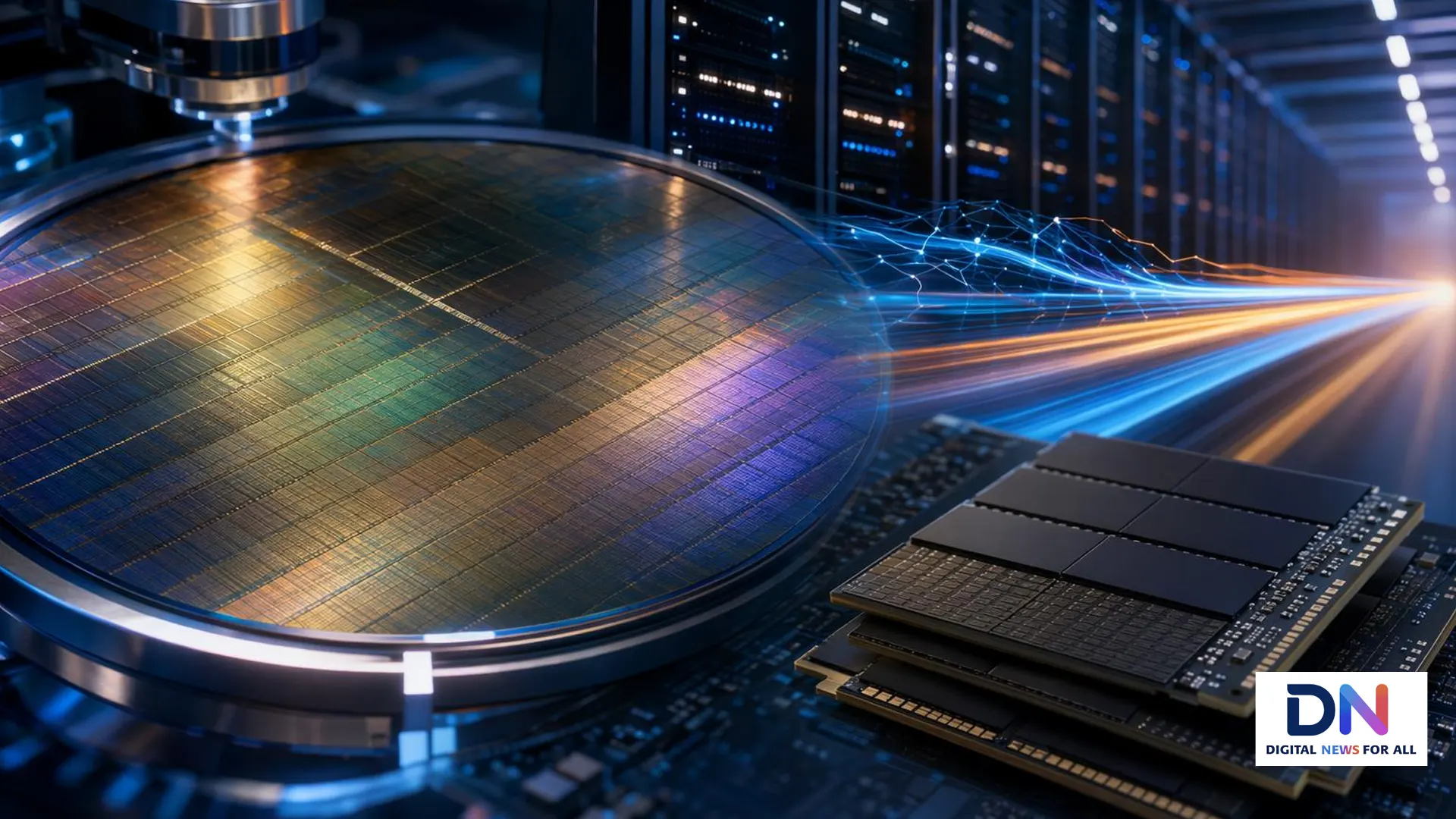
The AI memory chip shortage is creating an unexpected cost for consumers: more expensive smartphones, laptops, and personal electronics. As technology companies build massive artificial intelligence data centers, demand for high-performance memory is consuming manufacturing capacity that traditionally served everyday devices.
The result is a supply imbalance affecting the global semiconductor industry. Memory manufacturers are prioritizing higher-margin products for AI servers, leaving less conventional memory available for consumer electronics. Industry analysts warn that the pressure could continue into 2027 and beyond.
Why AI Data Centers Need So Much Memory
AI systems require enormous amounts of memory to process information, train models, and generate responses. High-bandwidth memory, known as HBM, is especially important for advanced AI accelerators. Large data centers also need substantial quantities of server DRAM and enterprise storage.
Manufacturers including Samsung, SK Hynix, and Micron are allocating more resources to these lucrative products. However, producing advanced memory requires specialized manufacturing capacity, investment, and packaging technology.
According to IDC’s 2026 market analysis, memory supply growth is expected to remain below historical levels. The research firm identifies AI infrastructure demand as a major reason conventional DRAM and NAND supplies are tightening.
Smartphones and Laptops Face Higher Prices
Consumers may experience the shortage through higher retail prices, fewer affordable configurations, or reduced specifications. Manufacturers have limited room to absorb rising component costs, especially in budget products where profit margins are already narrow.
Gartner’s 2026 forecast projected that rising memory costs could increase PC prices by 17% and smartphone prices by 13% compared with 2025 levels. These are market projections, not guaranteed price increases for every product.
Budget smartphones may face particularly difficult conditions. Manufacturers could offer less RAM, reduce storage options, or increase prices. Laptop buyers may also find fewer affordable models with larger memory configurations.

The Financial Pressure Is Reaching Major Technology Companies
The shortage is affecting even the world’s largest electronics brands. In November 2026, Reuters reported that Apple was facing unprecedented memory-chip cost increases. The company highlighted pressure on margins despite strong demand for premium iPhones.
Reuters’ Apple earnings report illustrates how AI-related component costs are becoming a financial challenge for consumer technology companies.
Meanwhile, TrendForce’s September 2026 analysis projected fourth-quarter contract price increases of 10% to 15% for conventional DRAM and 15% to 20% for NAND flash.
Why the Shortage May Continue Through 2027
Building new semiconductor manufacturing capacity takes years. Equipment installation, cleanroom construction, testing, and production qualification cannot happen overnight.
Deloitte’s semiconductor analysis suggests that additional memory capacity may not arrive at scale until 2029 or 2030. That timeline could extend pricing pressure beyond the current electronics buying cycle.
J.P. Morgan also estimates that DRAM prices could rise more than 400% between the beginning of 2024 and the end of 2026. Its memory shortage research highlights the growing competition between AI infrastructure and consumer electronics for limited supply.
What Consumers Should Do Now
Buyers should compare specifications and prices before upgrading. If an existing phone or laptop still meets everyday needs, extending its useful life may be financially sensible. Consumers should also consider storage and RAM requirements carefully rather than paying for unnecessary upgrades.
The AI revolution is expanding computing capabilities, but its infrastructure demands are reshaping the electronics market. Until memory supply catches up with demand, consumers may continue paying a higher price for the devices they use every day.
#MemoryChipShortage #AIBoom #Semiconductors #DRAM #NANDFlash #SmartphonePrices #LaptopPrices #ConsumerElectronics #TechIndustry