

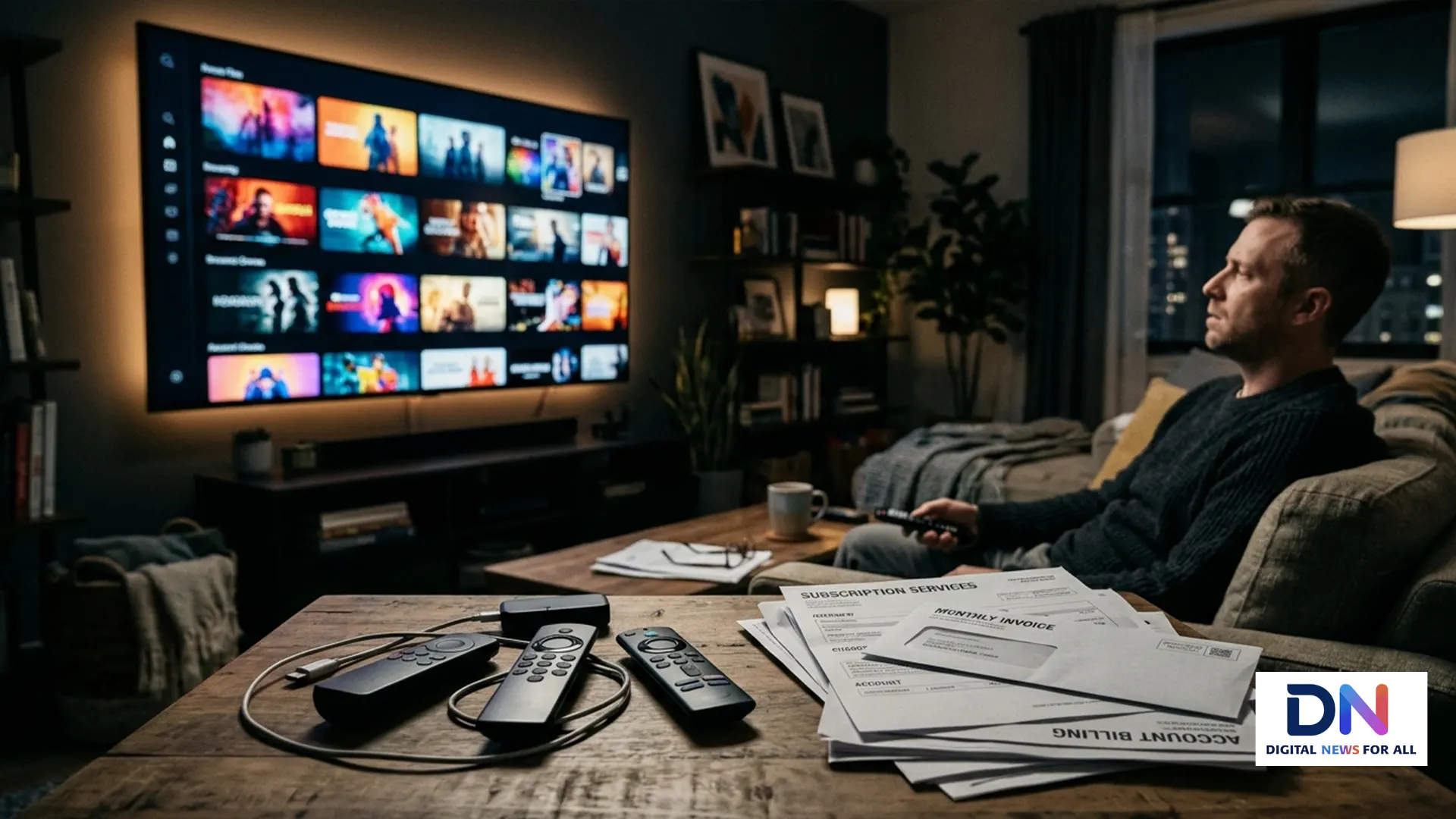
Streaming was once promoted as an affordable alternative to traditional cable television. However, repeated subscription increases, advertising tiers, and changing content libraries are making entertainment more expensive for American households. In 2026, major platforms are pursuing higher revenues while media mergers and licensing decisions continue to reshape the streaming market.
For subscribers, the result is increasingly familiar: paying more does not always guarantee access to the same movies, television shows, and exclusive programming.
Subscription Prices Continue to Climb
Several major streaming companies have increased their US subscription prices during 2026. Netflix raised its monthly fees in March. Its standard plan increased from $17.99 to $19.99, while its premium plan rose from $24.99 to $26.99.
Disney+ and Hulu followed with increases in September. Their standalone ad-free plans climbed to $21.49 per month, while ad-supported plans increased to $12.49. These changes demonstrate how platforms are attempting to generate more revenue from existing customers.
According to CBS News and Disney’s latest pricing coverage, subscribers are facing higher costs even when they remain with familiar services.
Media Mergers Are Reshaping Streaming Competition
Industry consolidation is another major development. Paramount Skydance completed its acquisition of Warner Bros. Discovery in October 2026, bringing major entertainment assets and streaming platforms under one corporate umbrella.
The combined company now has opportunities to integrate Paramount+, HBO Max, and Discovery+ over time. A larger content library could attract subscribers and reduce duplicated operating costs. However, fewer independent platforms could also reduce competition and give companies greater pricing flexibility.
The Los Angeles Times reported that Discovery+ increased its ad-supported price to $6.99 and its ad-free price to $11.99 shortly after the merger. The company said these increases had been planned before the transaction closed.

Content Licensing Is Changing What Subscribers Can Watch
Streaming platforms also face expensive competition for exclusive programming, sports rights, and established entertainment franchises. Licensing agreements determine which services can show particular titles and how long those titles remain available.
When contracts expire, programs may disappear from one platform and reappear elsewhere. Companies can also license selected titles to competitors to generate additional revenue. These decisions make streaming libraries less predictable for subscribers.
S&P Global’s 2026 analysis explains how streaming companies are shifting toward profitability through higher prices, advertising, and different subscription strategies.
How Subscribers Can Control Entertainment Costs
Consumers can respond by reviewing subscriptions every month, rotating services, comparing annual plans, and checking whether bundles provide genuine savings. Ad-supported plans may also offer lower-cost access for viewers who do not require uninterrupted programming.
PwC’s media industry outlook identifies consolidation, bundling, and content-library scale as important trends shaping streaming economics. Meanwhile, The Verge’s streaming price tracker follows subscription changes across major platforms.
The streaming industry is entering a more expensive and consolidated era. Mergers may create larger libraries and new bundles, but subscribers will ultimately judge these changes by one question: does the entertainment justify the monthly bill?
#StreamingServices #StreamingPriceHikes #Netflix #DisneyPlus #Paramount #HBOmax #ContentLicensing #SubscriptionFatigue #EntertainmentIndustry