

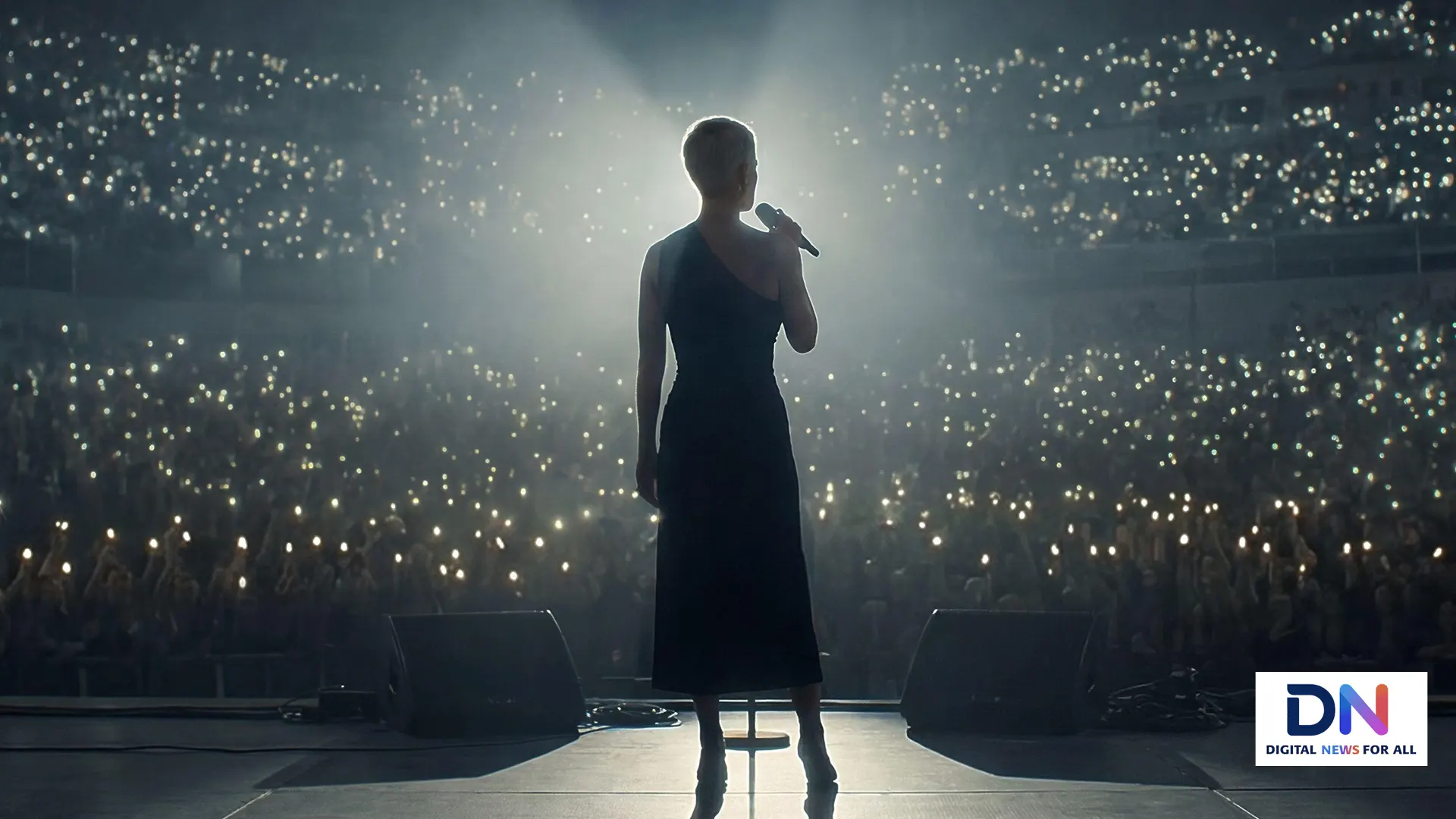
Political expression is becoming an increasingly visible issue in the American live music industry. A major 2026 concert controversy involving rapper Macklemore and singer Ed Sheeran has raised questions about who controls the stage, how venues respond to political statements, and whether artists can express controversial views without losing performance opportunities.
The dispute has exposed tensions between artistic freedom, commercial interests, audience expectations, and venue ownership. It also demonstrates how one performance can create consequences across an entire touring operation.
The Macklemore Controversy That Sparked a Wider Debate
The controversy began during Ed Sheeran’s Loop Tour performances at New Jersey’s MetLife Stadium in September 2026. Macklemore, who was appearing as a supporting artist, used his stage time to express support for Palestinians and perform his protest song, “Hind’s Hall.”
Following criticism and pressure surrounding his comments, Macklemore announced that he had been removed from the remaining U.S. tour dates. The tour’s promoter, Messina Touring Group, confirmed that several venues had indicated they would not allow performances with Macklemore on the lineup.
According to the Associated Press, venue objections threatened the continuation of scheduled shows. Gillette Stadium owner Robert Kraft defended the decision, citing concerns about Macklemore’s statements and what he described as a broader history of offensive rhetoric.
Other Artists Respond With Their Own Boycott
The controversy did not end with Macklemore’s departure. Several other performers withdrew from Sheeran’s tour in solidarity, including Finneas, Lukas Graham, Beoga, and Aaron Rowe.
NPR’s reporting described how the dispute affected the tour’s supporting performers and backing musicians. The withdrawals transformed a disagreement involving one artist into a broader debate about solidarity and creative independence.
The Guardian reported that Macklemore questioned why his longstanding political expression became a problem when he joined a major stadium tour.
Who Controls Political Expression at Concert Venues?
Concert venues operate within commercial agreements, ownership structures, security policies, and local regulations. Private venue owners generally have considerable control over access to their properties, while publicly owned facilities may face additional legal and contractual considerations.
That creates difficult questions for promoters and artists. Should venue owners be able to reject performers because of controversial political statements? Should promoters protect artistic expression even when venues threaten cancellations?
Axios examined the business pressures behind the dispute, including the influence of stadium owners and the financial risks associated with major tours.
NME also documented the supporting artists’ withdrawals, highlighting how performers used their own participation decisions to respond to the controversy.
The Future of Free Speech in Live Entertainment
The dispute reflects a wider challenge for the entertainment industry. Artists increasingly use concerts to discuss political and humanitarian issues, while organizers must consider audience reactions, commercial partnerships, and venue policies.
CBS Philadelphia’s coverage illustrated how the controversy affected preparations for Sheeran’s Philadelphia performance.
Ultimately, the debate extends beyond one artist or tour. As live entertainment becomes a platform for public expression, the industry must navigate the competing interests of performers, venue owners, promoters, and audiences. The decisions made today could shape how political speech is handled on major concert stages in the years ahead.
#FreeSpeech #LiveMusic #ArtistBoycotts #ConcertControversy #MusicIndustry #Macklemore #EdSheeran #ConcertVenues #ArtisticFreedom