

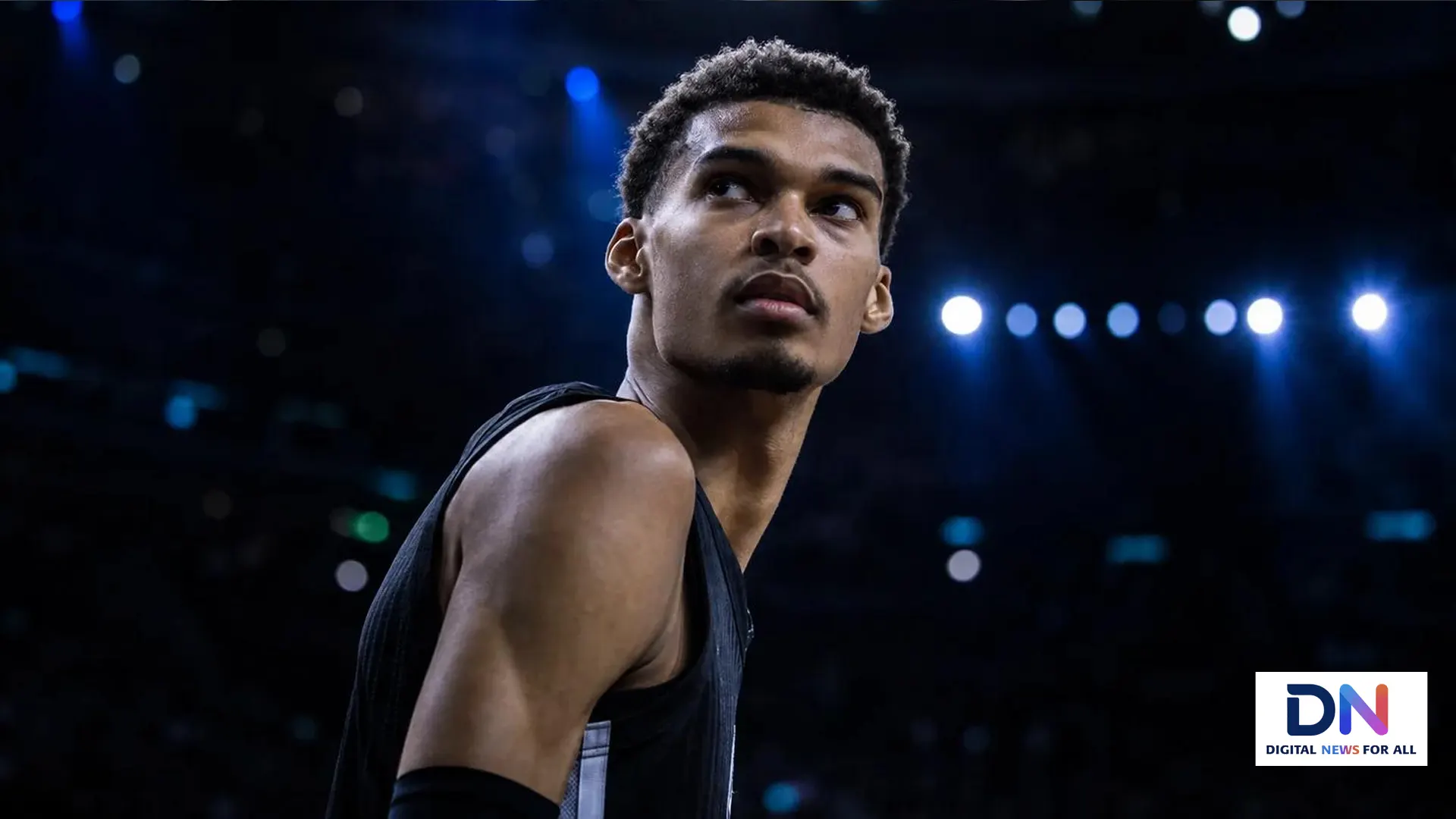
Victor Wembanyama is making a powerful statement about the business of professional sports. The San Antonio Spurs star says he will not promote sports betting companies, even when lucrative endorsement opportunities are available. His position highlights a growing debate over whether athletes should prioritize commercial rewards or the influence their public image carries.
In October 2026, Wembanyama made his position unmistakable. Asked whether he would ever partner with a sportsbook, he answered that he would never do so. He also said he had rejected offers worth considerably more money because they did not reflect his values. His comments were reported by The Guardian and Texas Public Radio.
Why Wembanyama Is Choosing Values Over Money
Wembanyama believes professional athletes have influence beyond their performances. Fans, particularly younger audiences, often admire sports stars and pay attention to the products they recommend. He wants his partnerships to promote positive habits and messages rather than simply generate additional income.
His approach does not mean avoiding commercial partnerships. He has worked with major brands including Nike, Louis Vuitton, Fanatics and NBA 2K. Instead, he appears to be applying a stricter test to the products and industries associated with his name. San Antonio Express-News has detailed his endorsement portfolio and his refusal to work with betting platforms.
His agent has also described his reluctance to promote sugary soft drinks, saying the player does not want to associate his image with products he considers unhealthy for children. That reported decision broadens the discussion beyond gambling and toward the responsibility celebrities may have when marketing products to young audiences.
The Growing Debate Over Sports Betting Advertising
Sports betting has become a major commercial force in American sports. The American Gaming Association reported that regulated commercial sports betting generated approximately $16.89 billion in U.S. revenue during 2025.
Several prominent athletes have entered partnerships with betting or prediction-market companies. These arrangements are generally subject to league rules. The NBA-NBPA collective bargaining agreement permits certain gaming-company endorsements but restricts promotions involving NBA-related bets.
At the same time, the NBA and WNBA announced a responsible-gaming campaign with the National Council on Problem Gambling in October 2026. The campaign is designed to educate fans, particularly young adults, about risks connected to sports betting and prediction markets.
Could Ethical Endorsements Change Sports Marketing?
Wembanyama’s position does not establish a new industry standard, and athletes will continue to make different commercial choices. However, it demonstrates that refusing a sponsorship can itself become part of a star’s public identity.
Brands may increasingly need to consider whether their products fit an athlete’s reputation, audience and personal principles. For athletes, the decision involves more than contract value: it can affect public trust and long-term credibility.
As Wembanyama’s career develops, his endorsement strategy will remain worth watching. His message is straightforward: an athlete’s influence can be valuable, but deciding how to use it may matter more than accepting every available offer.
#VictorWembanyama #NBA #SportsBusiness #AthleteEndorsements #SportsBetting #BrandEthics #SportsMarketing #AthleteInfluence