

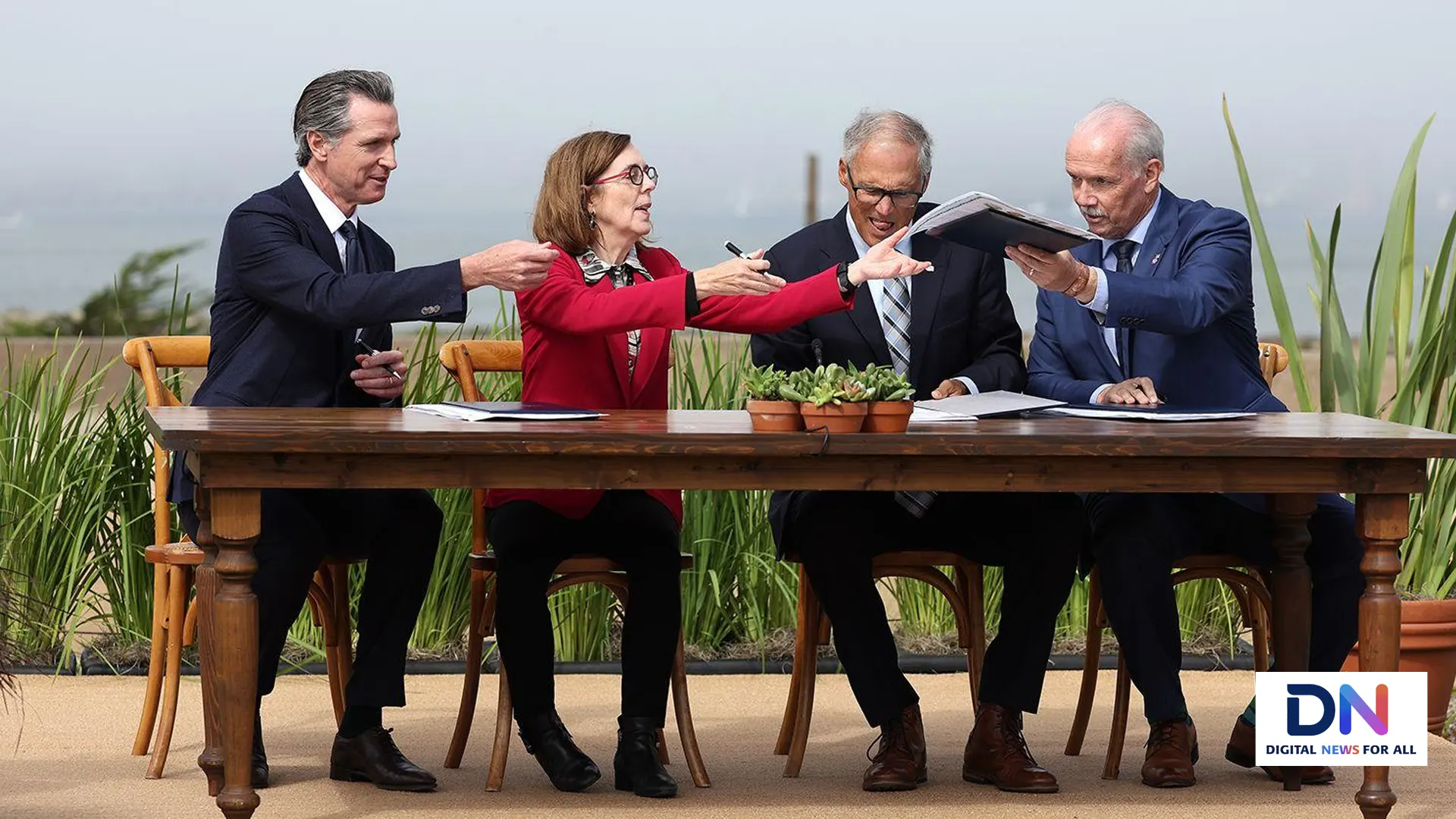
State climate coalitions are preparing for a larger role in America’s energy transition after the 2026 midterm elections reshaped the political landscape. With Democrats winning control of both chambers of Congress and gaining ground in several state governments, governors are looking for ways to advance clean energy, reduce pollution and protect communities while federal climate policy remains uncertain.
The effort is not starting from scratch. The U.S. Climate Alliance, a bipartisan coalition of governors, already coordinates state-level climate policies. Its members represent a substantial share of the U.S. population and economy and have committed to pursuing emissions reductions consistent with the Paris Agreement.
Governors Expand Cooperation Beyond State Borders
A significant development came in September 2026, when the U.S. Climate Alliance and Climate Mayors announced a formal partnership. The agreement connects governors with more than 350 mayors across 47 states, creating a wider network for sharing policies, resources and practical solutions.
According to the coalitions’ announcement, their priorities include clean electricity, affordable energy, healthier buildings, low-emission transportation, climate resilience and workforce development.
The partnership also aims to reduce disruption when federal administrations change direction. Instead of relying exclusively on Washington, participating governments can coordinate procurement, infrastructure planning and policy development across state and city boundaries.
That strategy has practical advantages. States can influence electricity regulation, building standards, transportation planning and public investment. They can also develop programs that attract private investment in renewable power, grid upgrades and emerging energy technologies.
Midterm Results Create New Political Opportunities
The November elections have strengthened the political case for state-led action. The Clean Air Task Force reported that Democrats gained governorships in five states and now hold governorships in at least 29 states. The organization says incoming governors and legislators could advance durable energy policies, particularly around grid capacity, affordability and reliable power.
Energy costs may prove more politically influential than climate messaging alone. Axios reported that Democrats are considering grid development, consumer protections and energy affordability as priorities after the election.
However, the political picture is not uniform. Governors must work with legislatures, utilities, regulators and local communities. State elections can create opportunities, but they do not guarantee that every proposed climate measure will become law.
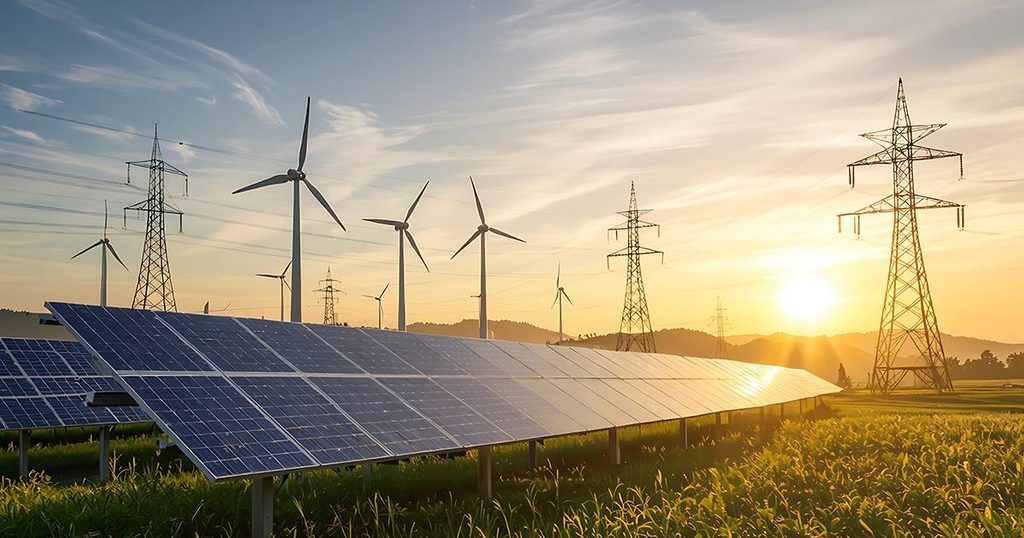
Legal and Financial Limits Remain
State governments cannot simply replace federal climate policy. Federal agencies retain authority over major areas of environmental regulation, and disputes over state powers can lead to lengthy court battles. The Environmental Protection Agency’s Clean Air Act overview explains the federal framework that shapes air-pollution standards and state implementation responsibilities.
States also face funding constraints. Large transmission projects, clean-energy infrastructure and climate adaptation require substantial capital, skilled workers and regulatory coordination. Changes to federal tax incentives and grants can affect project economics even when state governments remain supportive.
Inside Climate News has highlighted how state election outcomes can determine whether ambitious energy and climate legislation advances.
What Comes Next for State Climate Policy?
The next phase will test whether governors can turn coalition announcements into measurable results. Progress will depend on new legislation, grid investment, clean-energy deployment and practical protections against extreme weather.
For now, state climate coalitions are building a parallel route for climate action. They cannot eliminate federal influence, but coordinated state and local policies could preserve momentum while national priorities remain contested.
#ClimatePolicy #StateClimateCoalitions #CleanEnergy #RenewableEnergy #USPolitics #ClimateAction #Governors #EnergyTransition