

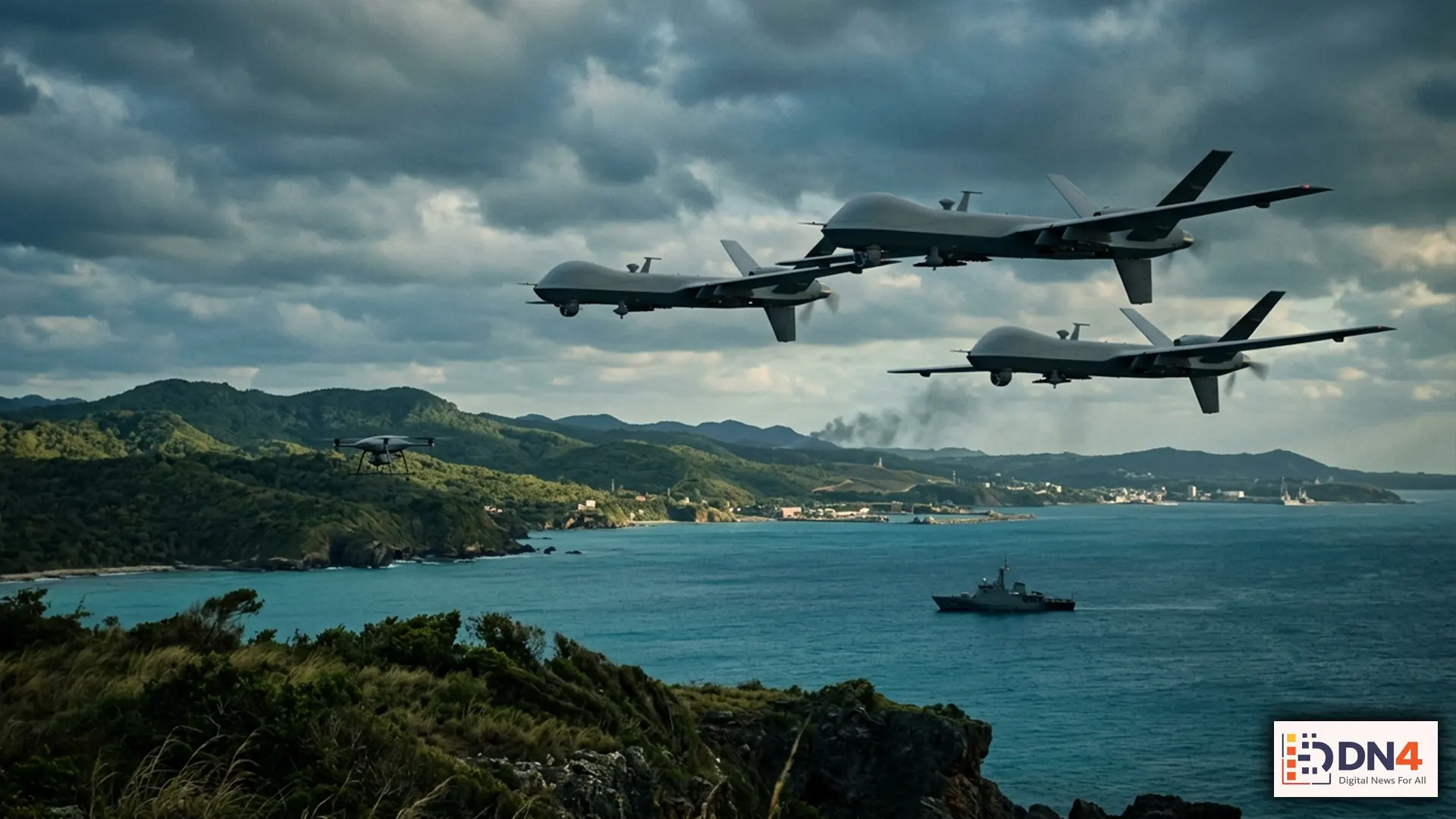
New classified intelligence assessments have reportedly raised alarms inside US national security circles over suspected drone infrastructure activity in Cuba, located just 90 miles from the Florida coastline.
According to defense analysts and intelligence reports discussed by several security-focused publications, concerns are growing that foreign-backed surveillance or military drone capabilities could be expanding within the Caribbean region at a strategically sensitive distance from the United States.
The developments have reignited debates surrounding regional security, foreign influence, and modern drone warfare capabilities near US territory.
Why the Cuba Drone Reports Matter
Military experts argue that drone infrastructure positioned near the United States could potentially support intelligence gathering, cyber operations, maritime surveillance, or electronic warfare activities.
As unmanned aerial systems become cheaper and more sophisticated, governments worldwide are investing heavily in drone technology for both defensive and offensive purposes. According to RAND Corporation, modern drone systems are increasingly central to geopolitical competition and military strategy.
The proximity of Cuba to the US mainland amplifies concerns among defense officials, especially amid broader tensions involving global military influence and strategic alliances.
Growing Focus on Caribbean Security
The Caribbean region has become an increasingly important geopolitical zone as global powers compete for influence in trade, technology, infrastructure, and defense partnerships.
Recent analysis from the Center for Strategic and International Studies suggests that strategic investments by rival nations in Latin America and the Caribbean are attracting closer attention from Washington policymakers.
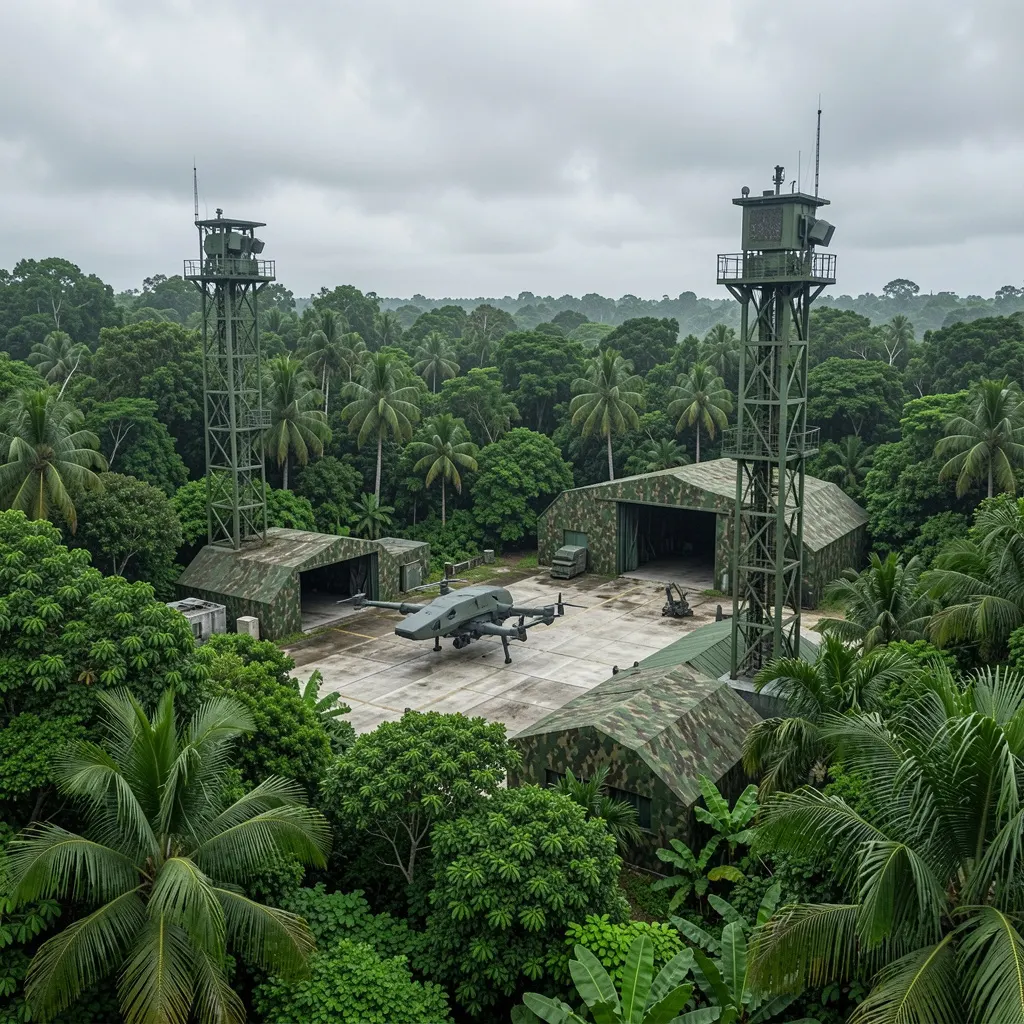
While officials have not publicly confirmed the exact nature of the reported infrastructure, intelligence observers believe the concern centers around advanced surveillance systems, communications equipment, and drone operational capabilities.
The Evolution of Drone Warfare
Drone technology has transformed modern military and intelligence operations over the past decade. From reconnaissance missions to cyber-enabled surveillance, unmanned systems now play a major role in global defense strategies.
Organizations like Defense News have documented how low-cost drones are increasingly capable of disrupting critical infrastructure, monitoring military assets, and conducting precision operations with minimal human involvement.
Analysts warn that drone infrastructure located close to US territory could potentially reduce response times and complicate homeland security monitoring systems.
US National Security Concerns Intensify
The intelligence reports arrive during a period of heightened focus on border security, cyber threats, and foreign surveillance activities targeting critical American infrastructure.
The US Department of Homeland Security and defense agencies have repeatedly emphasized the growing risks associated with advanced unmanned aerial systems entering sensitive airspace.
Security experts believe future geopolitical conflicts may rely heavily on autonomous technologies, artificial intelligence, and electronic warfare systems rather than conventional military engagements alone.
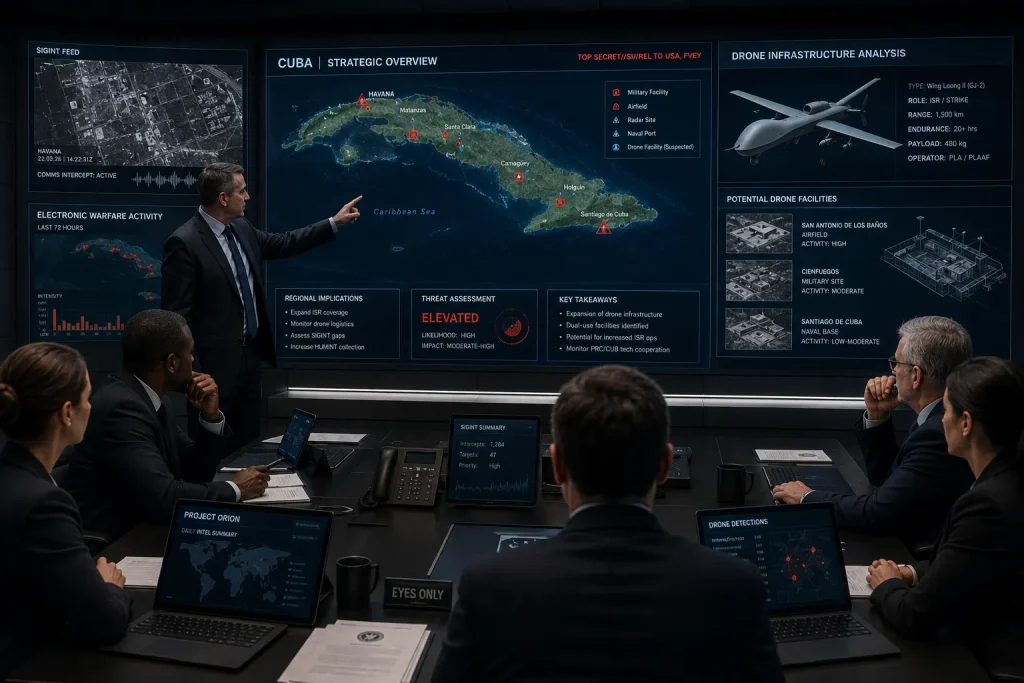
Could This Escalate US-Cuba Tensions?
Diplomatic relations between Washington and Havana have experienced periods of both cooperation and tension over the past several decades. Any confirmed military-related drone infrastructure could further complicate already fragile diplomatic dynamics.
At the same time, analysts caution against drawing premature conclusions without verified public evidence. Intelligence assessments often involve evolving information and multiple interpretations.
Experts from Brookings Institution note that geopolitical signaling and strategic positioning frequently influence how governments interpret regional military developments.
The Future of Homeland Defense
The reported Cuba drone concerns underscore a larger shift in global security strategy. Instead of relying solely on traditional military bases and troop deployments, modern powers are increasingly focused on distributed technologies, cyber capabilities, and autonomous surveillance systems.
For US defense planners, monitoring emerging drone infrastructure near American borders may become a critical priority throughout the remainder of the decade.
As intelligence agencies continue evaluating the situation, the developments highlight how rapidly evolving technologies are reshaping national security challenges in the 21st century.
#Cuba #DroneThreat #NationalSecurity #USDefense #Intelligence #Geopolitics #DroneWarfare #CyberSecurity #GlobalSecurity