

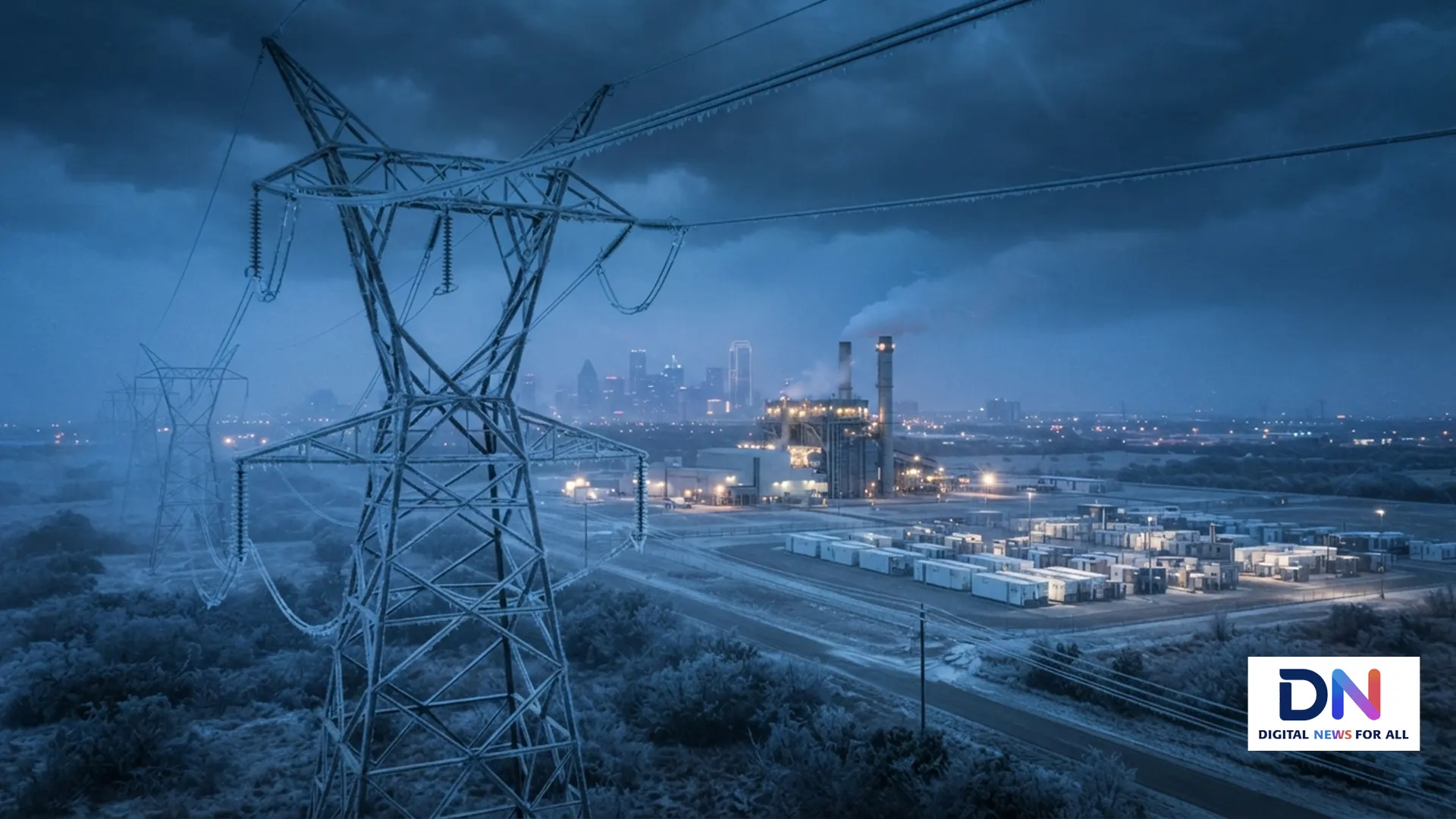
Five years after Winter Storm Uri exposed devastating weaknesses in the Texas power grid, the state is approaching another winter with a very different electricity system.
ERCOT has added weatherization requirements, strengthened inspections, expanded reserves and gained thousands of megawatts of battery storage. Yet Texas also has rapidly growing electricity demand and a generation mix that must perform during increasingly volatile weather.
The question is no longer whether Texas learned from Uri. The question is whether those improvements are enough when the next truly extreme winter arrives.
Winter Storm Uri Changed Everything
In February 2021, extreme cold triggered failures across Texas’s interconnected energy system. Power plants went offline while natural-gas supply problems and soaring electricity demand intensified the crisis.
At least 246 people died during the disaster, according to the Texas Department of State Health Services’ final estimate. Millions of Texans experienced power disruptions during the crisis.
ERCOT’s post-event reporting and winter preparedness materials show how extensively the organization has changed its approach since the 2021 disaster.
The Grid Is Better Prepared Than It Was in 2021
There is an important reason not to assume another Uri is inevitable.
Texas now requires generating facilities to prepare for extreme weather and undergo inspections. ERCOT’s current winter-readiness program includes generation and transmission declarations for the 2026–27 winter season.
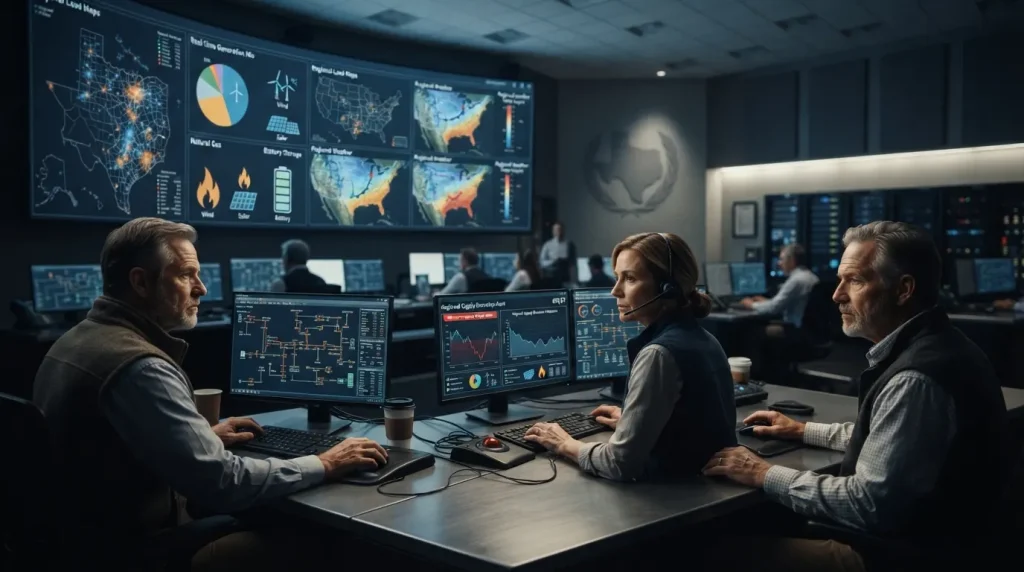
The grid operator also has more tools available during emergencies, including additional reserve capacity and improved coordination with state agencies.
During Winter Storm Fern in January 2026, ERCOT reported that mandatory weatherization, additional reserves, earlier generation commitments and improved battery coordination were among the measures used to strengthen reliability.
ERCOT’s Winter Storm Fern post-event report details those preparations.
But Natural Gas Remains a Critical Weak Point
The Texas grid still depends heavily on natural gas.
That creates a vulnerability during severe freezes because electricity generation and gas production can become dependent on the same weather-sensitive infrastructure.
During Uri, frozen equipment and disruptions across the natural-gas supply chain contributed to generating failures.
Texas has since strengthened requirements for critical gas infrastructure. The Railroad Commission has also expanded inspections and oversight of facilities considered essential to electricity reliability.
But no weatherization program can eliminate every possible failure during an unprecedented storm.
Solar, Wind and Batteries Change the Equation
The modern Texas grid also looks very different because renewable generation and battery storage have expanded dramatically.
That creates both opportunities and challenges.
Solar and batteries can provide valuable electricity during periods of stress. Battery systems can respond extremely quickly when supply suddenly falls short.
However, a prolonged winter storm creates a different problem. Batteries have limited duration, while solar production can fall sharply during cloudy winter conditions. Wind generation can also vary depending on weather patterns.
This means Texas needs a portfolio of resources rather than relying on one technology.
Demand Could Be the Next Big Test
The biggest change since Uri may ultimately be on the demand side.
Texas is experiencing rapid electricity-load growth from data centers, industrial facilities, population growth and electrification.
That matters because a grid can have more generation than it did in 2021 and still face tighter margins if electricity demand grows faster.
ERCOT’s historical load data shows how dramatically electricity demand can vary during periods of extreme weather.
What Happened During Winter Storm Fern?
January 2026 offered Texas an important real-world test.
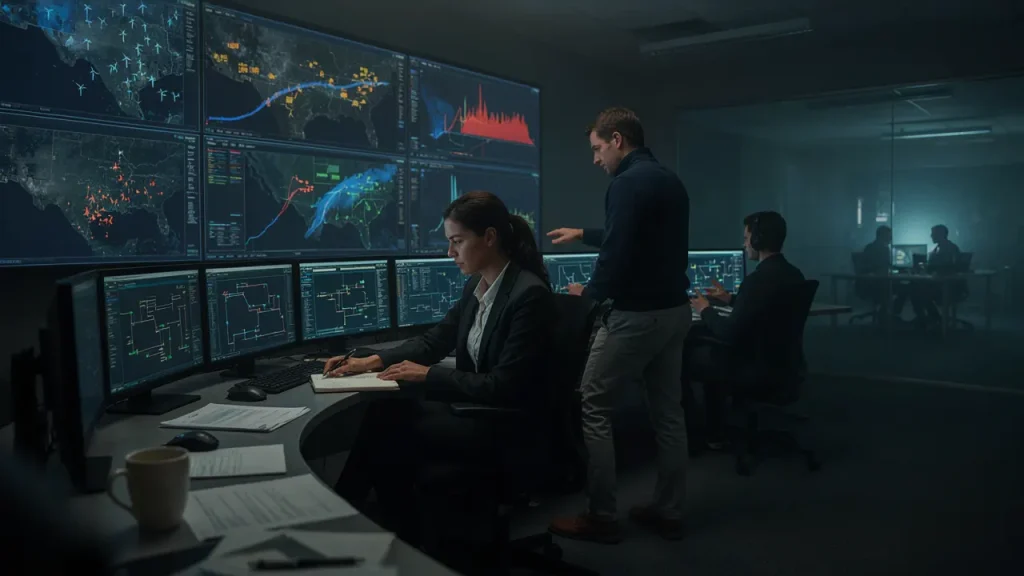
ERCOT issued a weather watch as freezing temperatures and frozen precipitation threatened the state. The grid operator warned that demand could rise while reserves narrowed.
Yet ERCOT ultimately maintained grid reliability during the event.
The Texas Tribune reported that ERCOT expected only a slim supply cushion during the most stressful period, while officials said the system was significantly better prepared than it had been in 2021.
The Texas Tribune’s January 2026 analysis documented the preparations and remaining vulnerabilities.
The Real Threat May Be a Long-Duration Freeze
A short cold snap is not necessarily the scenario that should worry grid planners most.
The harder test would be an extended Arctic outbreak that simultaneously increases heating demand, freezes natural-gas infrastructure, reduces some renewable output and damages transmission or distribution equipment.
That combination could rapidly consume available reserves.
Researchers continue to debate how much additional firm generation Texas needs. Some analysts argue that rapid growth in wind, solar and short-duration storage could leave the system vulnerable during long winter events, while others emphasize the resilience benefits of diversification and battery growth.
Texas Is Better Prepared — But Not Invulnerable
The evidence from 2026 suggests the Texas power grid is substantially more prepared than it was before Uri.
Weatherization rules are stronger. Inspections are more systematic. Batteries are now an important grid resource. Operators have more emergency tools. Critical natural-gas facilities face greater scrutiny.
But extreme weather does not respect planning assumptions.
The biggest lesson from Uri is therefore not that Texas should expect another collapse. It is that reliability has to be maintained continuously as the electricity system changes.
For Texans, the uncomfortable truth is simple: the grid is stronger, but the next extreme winter will still be a serious test.
The state’s success will depend on whether generation, fuel supplies, transmission, batteries and emergency operations can all perform simultaneously when temperatures plunge.
#Texas #ERCOT #TexasPowerGrid #WinterStorm #WinterStormUri #PowerGrid #Energy #Electricity #GridReliability #TexasWeather