


Mortgage rates above 7% are putting another major obstacle in front of younger Americans trying to buy homes. Freddie Mac reported that the average 30-year fixed mortgage reached 7.28% for the week ending October 1, 2026, up from 7.03% the previous week and 6.34% a year earlier.
The increase is changing the math for buyers. The National Association of Realtors said higher rates are already prompting prospective buyers to reconsider what they can afford, while mortgage applications have declined. Freddie Mac’s mortgage survey provides the latest national rate data.
Why 7% Changes Everything
A mortgage rate affects far more than the headline interest percentage. Higher rates increase monthly principal and interest payments, reducing the amount a household can borrow without exceeding its budget.
That pressure arrives on top of elevated home prices. Redfin estimated that buyers needed an annual income of about $109,796 to afford a typical U.S. home in June 2026 under its affordability assumptions. Redfin’s affordability analysis shows how prices and borrowing costs combine to create the problem.

Gen Z Is Buying—but Slowly
The picture is not simply that young Americans have abandoned homeownership. Redfin reported that 27.1% of Gen Zers owned homes in 2025, up from 26.1% in 2024. Millennials also edged higher, reaching 55.4%.
However, Redfin noted that the gains were gradual rather than a broad affordability breakthrough. Its generational housing analysis found that high costs and economic uncertainty continued to limit younger buyers.
Millennials Face a Different Problem
Many millennials are now well into their peak homebuying years. Yet the National Association of Realtors reported that first-time buyers represented only 21% of all buyers in its 2026 generational survey—the lowest share since the organization began tracking the measure in 1981.
NAR’s generational report also found that millennials accounted for 26% of buyers, while baby boomers represented 42%.
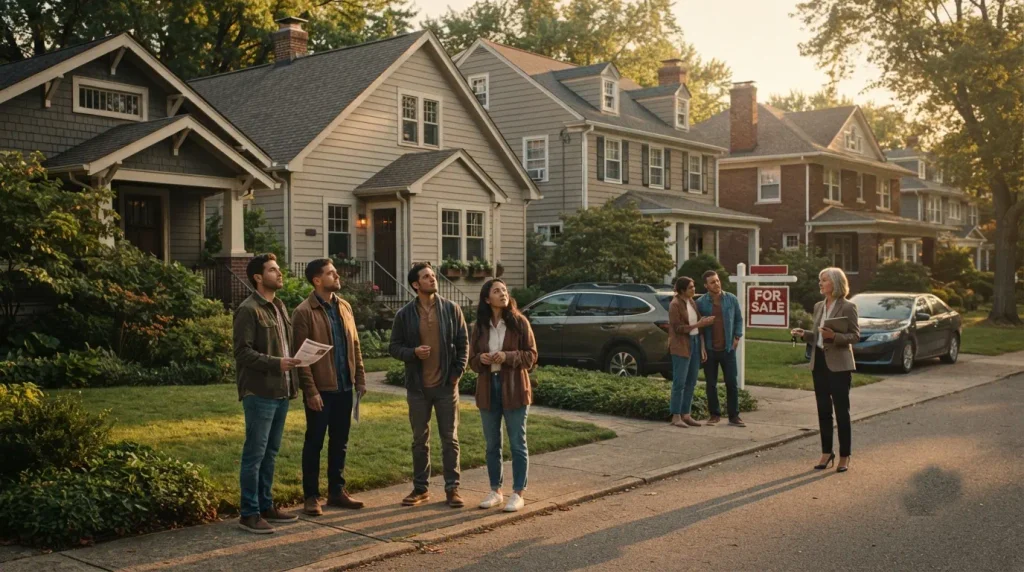
Is the American Dream Permanently Broken?
The current evidence does not establish that homeownership is permanently out of reach for Gen Z or millennials. Mortgage rates can change, incomes can rise, prices can adjust and housing supply can improve.
The deeper problem is affordability. Higher rates have collided with expensive homes and limited entry-level inventory. Freddie Mac notes that millennials and older Gen Z consumers are becoming increasingly important to the future housing market, but first-time buyers face significant barriers.
For now, the American Dream is not necessarily broken—but it is becoming more expensive, slower to achieve and increasingly dependent on income, location, savings and family resources.
Freddie Mac, National Association of Realtors, Redfin, U.S. Census Bureau Housing Data, Federal Reserve, HUD User, Consumer Financial Protection Bureau
#MortgageRates #HousingMarket #GenZ #Millennials #Homeownership #AmericanDream #HousingCrisis #MortgageRates2026 #FirstTimeHomebuyer #RealEstate #Economy