

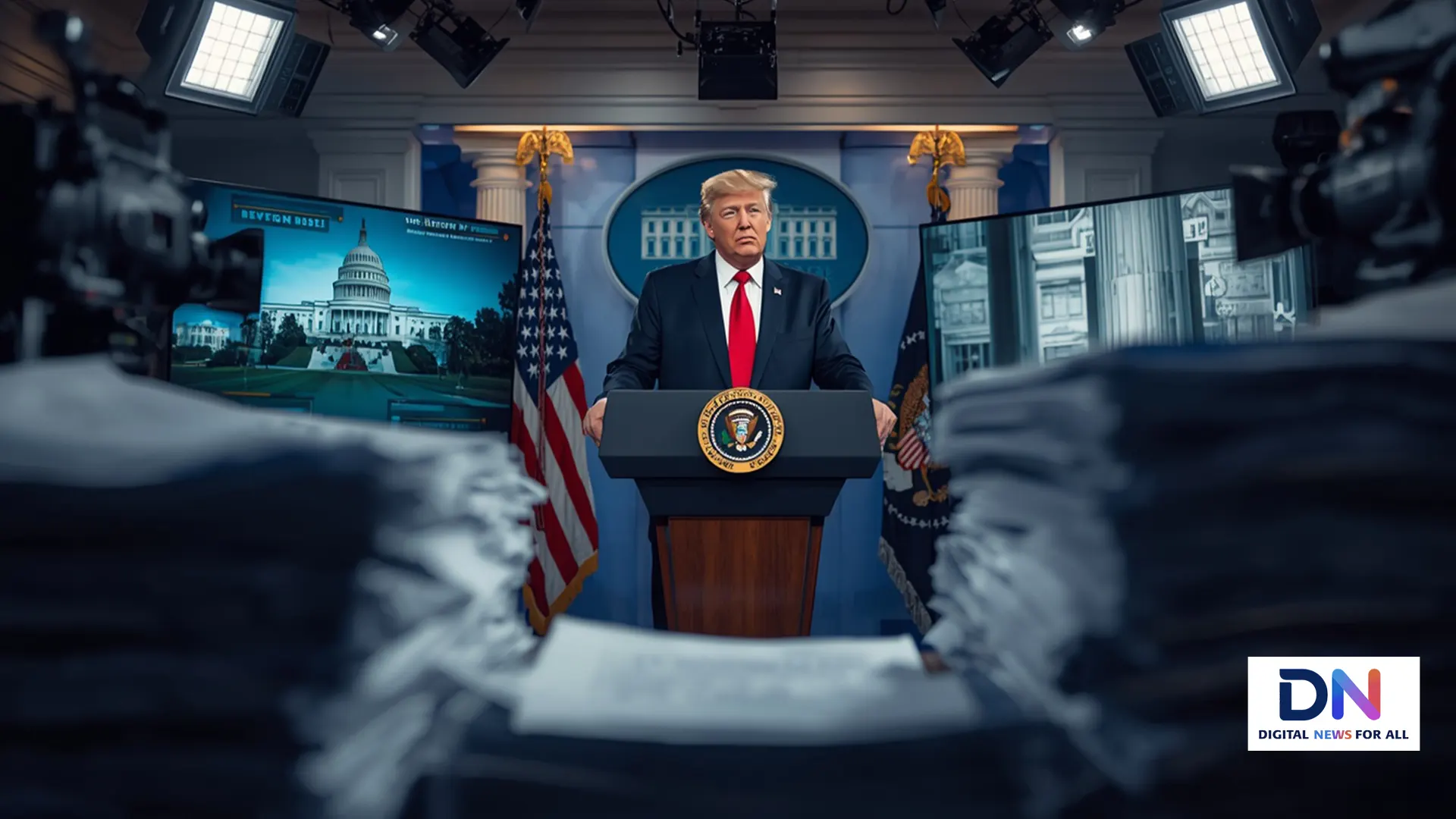
Taxpayer-funded ads featuring President Donald Trump have triggered a new legal fight in Washington. On October 7, 2026, the Democratic National Committee sued the Trump administration, seeking to stop federal money from being used for television advertisements that plaintiffs characterize as political promotion.
A second lawsuit was filed the same day by Common Cause and allied groups. Both cases ask federal courts to intervene over advertisements that began airing in September and were paid for through federal funds. The Associated Press reports that the two lawsuits represent the first major legal challenges to the campaign-style broadcasts. AP’s report details both lawsuits.
Why the Ads Are Being Challenged
The DNC argues that the administration violated federal restrictions on using appropriated money for “publicity or propaganda purposes.” The complaint also raises questions under other federal spending laws, according to Reuters’ coverage of the lawsuit.
The controversy centers partly on the source of the money. The administration used funding connected to the Department of Homeland Security, with the advertising contract reportedly valued at $20 million. More than $12 million had been spent on the ads by early October, according to AdImpact figures cited by news organizations.
What the White House Says
The White House has defended the advertisements as public messaging rather than campaign commercials. The administration has argued that previous presidents also used taxpayer-funded advertising to communicate policy and promote government programs.
FactCheck.org examined that comparison and reported that legal experts questioned whether the current advertisements are sufficiently similar to earlier government public-service campaigns.
The Funding Question Isn’t Over
Trump said future advertisements would be paid for by MAGA Inc., his affiliated super PAC. However, that announcement did not resolve the dispute over money already spent.
The Associated Press reported that Trump had not committed to reimbursing taxpayers for the nearly $12 million already spent when he discussed the issue on October 6. AP’s funding report also noted that a White House official said there was no indication of reimbursement at that point.
What Happens Next?
The courts will now have to consider whether the advertisements fall within restrictions governing federal appropriations and government communications. The legal arguments could also clarify how far an administration can go when using public money to communicate its political message.
For taxpayers, the dispute raises a straightforward question: when does government communication become political promotion? The lawsuits will put that boundary under judicial scrutiny as the 2026 midterm elections approach.
Associated Press, Reuters, FactCheck.org, U.S. Government Accountability Office, Congress.gov, U.S. Department of Justice, Department of Homeland Security
#TaxpayerFunds #TrumpAdministration #WhiteHouse #DNC #USPolitics #GovernmentSpending #PoliticalAdvertising #2026Midterms #FederalGovernment #WashingtonDC #Politics