

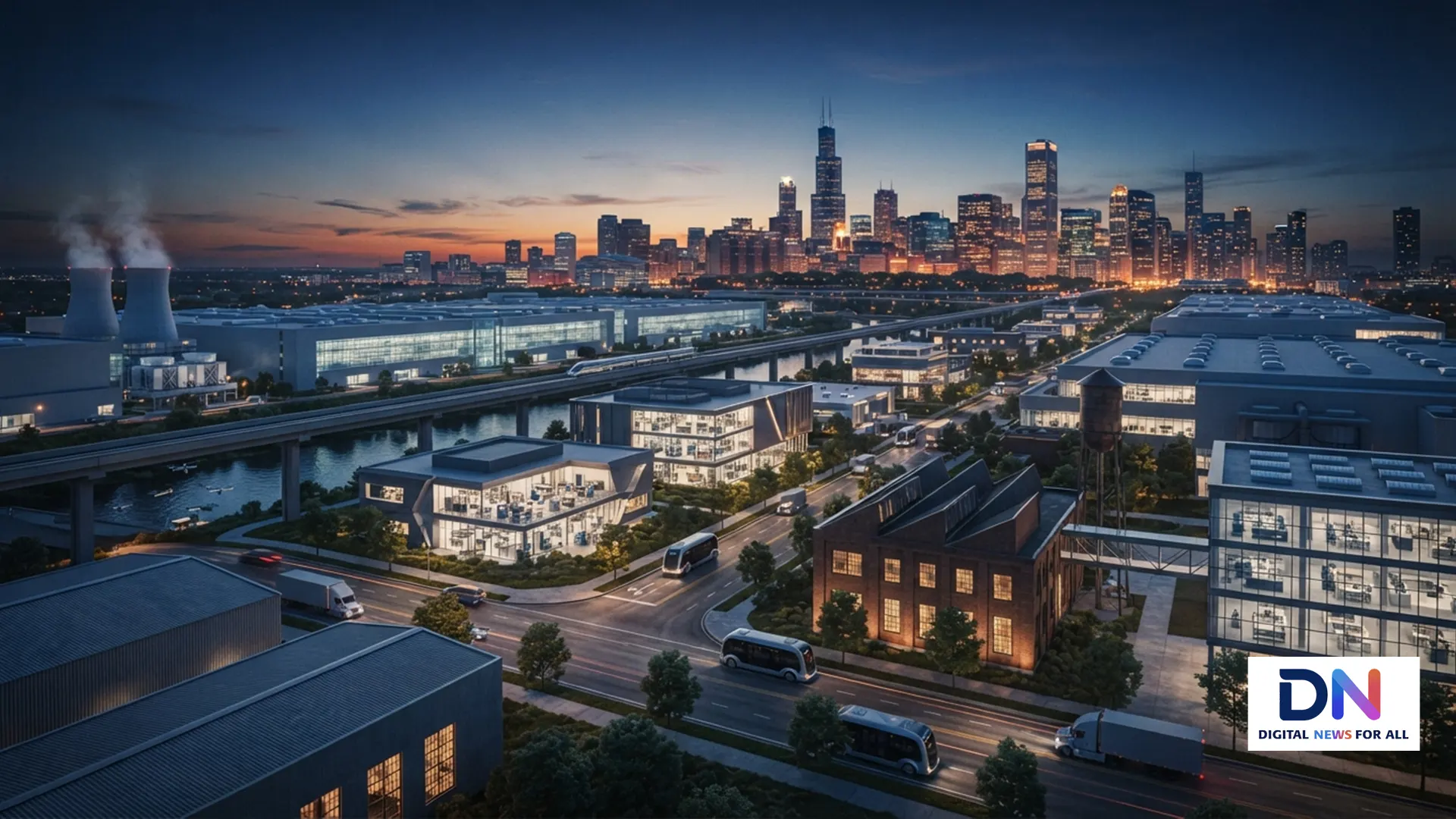
For decades, Silicon Valley represented America’s technology future. But a new generation of Midwest tech hubs is challenging that geography. Chicago, Columbus, Pittsburgh, Detroit and Madison are building technology ecosystems around artificial intelligence, robotics, semiconductors and advanced manufacturing.
The Midwest is not replacing Silicon Valley yet. However, the region is becoming increasingly difficult for technology investors and major manufacturers to ignore.
The Numbers Behind the Rust Belt Revival
A 2026 Dealroom analysis found that the combined enterprise value of Midwest startups grew from $174 billion in 2016 to approximately $660 billion in 2026.
That represents nearly a fourfold increase in a decade. The region also produced more than 100 companies valued above $1 billion.
Yet there is an important catch. The Midwest generates roughly 16% of U.S. economic output while capturing only about 3% to 5% of American venture capital. The opportunity is enormous, but capital remains heavily concentrated elsewhere.
Columbus and the Silicon Heartland
Ohio may be the clearest example of the transformation. A 2026 Colliers report describes Ohio as an increasingly competitive destination for advanced manufacturing, logistics and technology investment.
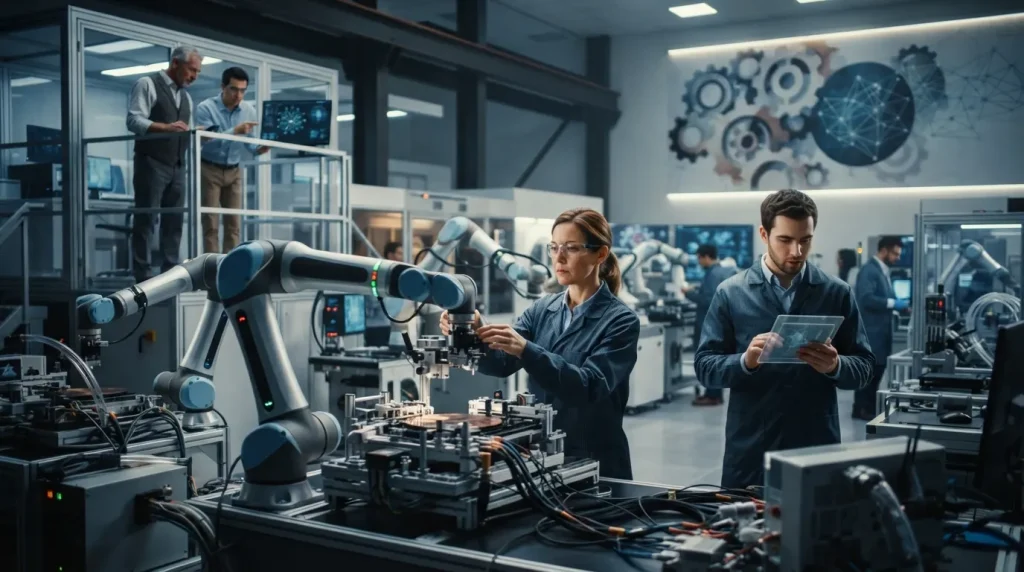
Intel’s planned semiconductor expansion near Columbus represents a major industrial bet. Anduril is also developing a large manufacturing campus in the region.
That combination matters. The Midwest’s advantage is not simply software. It is the intersection of technology, manufacturing, universities, logistics and industrial infrastructure.
Pittsburgh Is Betting on Physical AI
Pittsburgh offers another model. Its technology ecosystem is increasingly focused on robotics, artificial intelligence and other forms of deep tech.
According to Axios, the region now has more than 700 startups, supported by Carnegie Mellon University’s research ecosystem.
Instead of copying Silicon Valley’s software-heavy model, Pittsburgh is building around technology that interacts with the physical world.
But Silicon Valley Is Still Winning the Money Race
The Midwest’s comeback should not be exaggerated. CBRE’s 2026 technology-market analysis found that the San Francisco Bay Area accounted for roughly 80% of U.S. AI venture capital raised since 2020.
That is an enormous lead.
Still, startups do not need to replicate Silicon Valley to succeed. Lower operating costs, engineering talent, research universities and proximity to manufacturing could give Midwest companies a different competitive advantage.
The Real Rust Belt Opportunity
The U.S. Census Bureau’s high-tech business data now provides a more detailed way to track startups, employment and business formation across technology industries.
The emerging story is therefore not Silicon Valley versus the Midwest. It is a more distributed American technology economy.
If the Midwest can convert its research universities, industrial base and growing startup communities into sustained venture investment, the old Rust Belt could become one of America’s most important technology corridors.
#RustBelt #Midwest #MidwestTech #SiliconHeartland #TechHubs #AI #Startups #Robotics #Semiconductors #Chicago #Columbus #Pittsburgh #Detroit #SiliconValley