

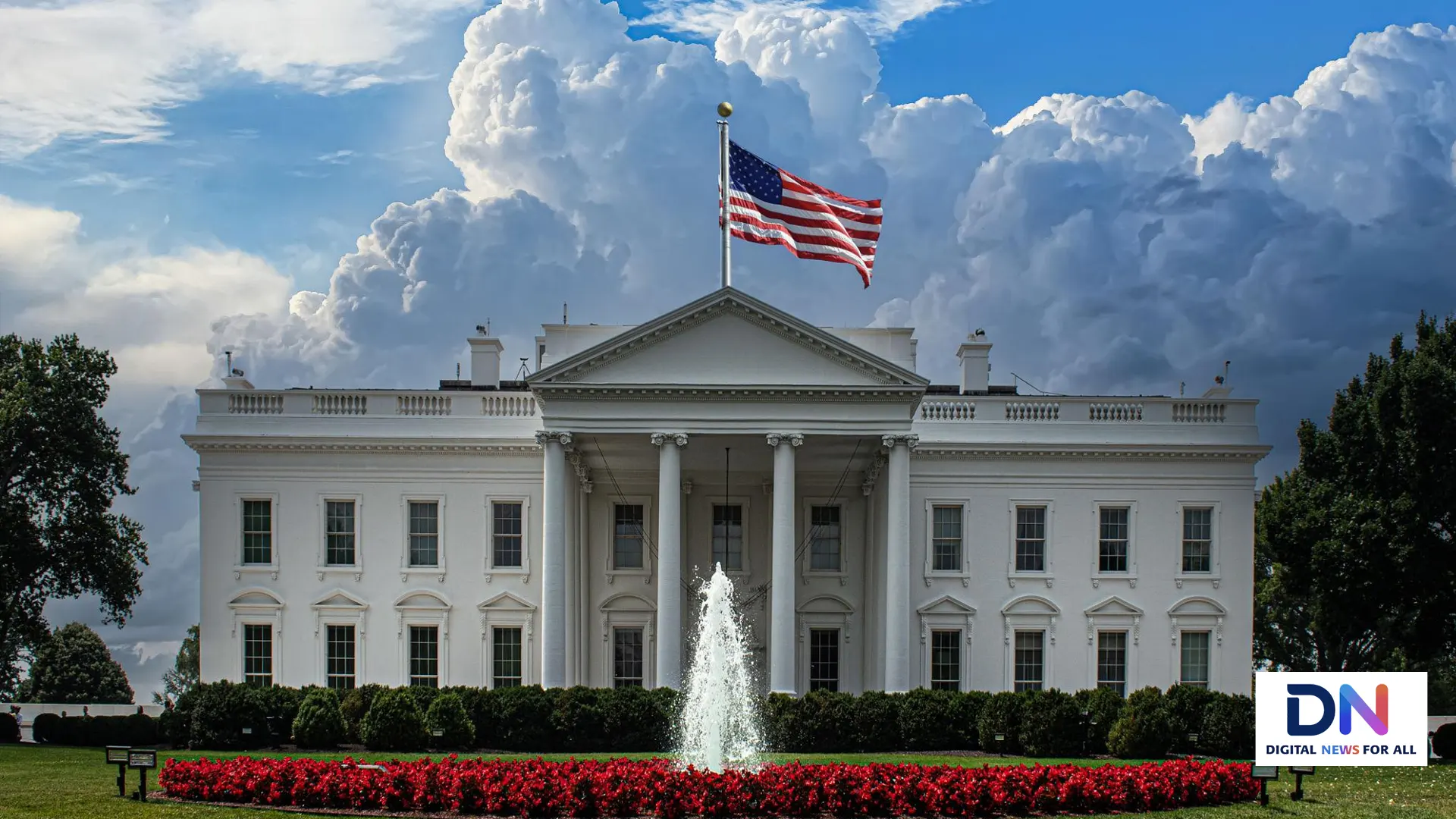
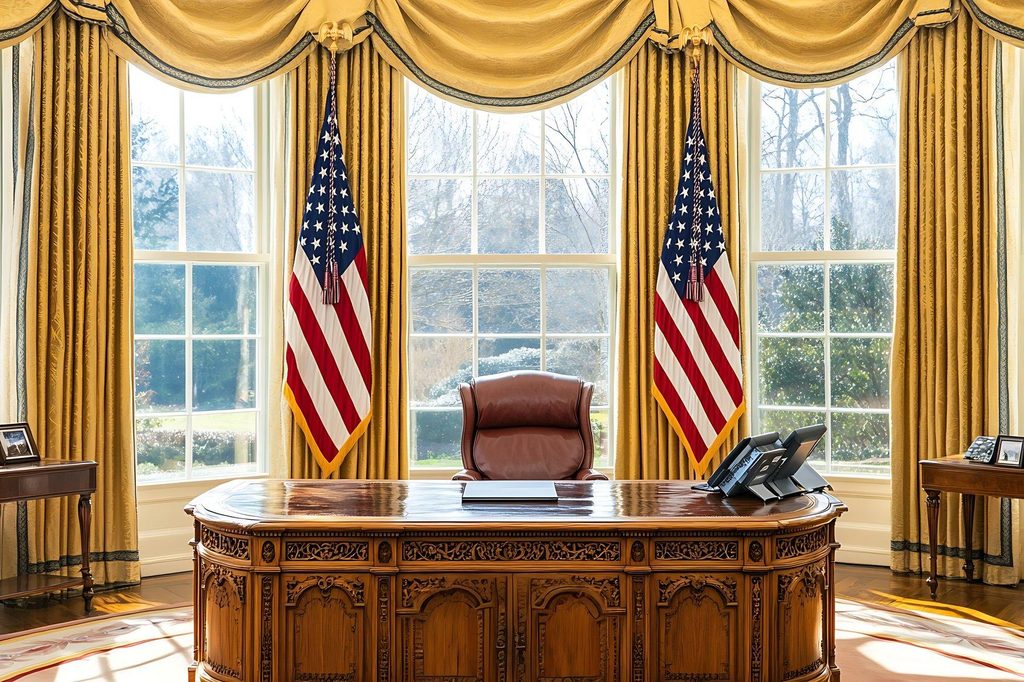
President Donald Trump has sparked a fresh political and legal debate after declaring the Oval Office a national monument. On November 5, 2026, Trump signed a presidential proclamation covering the Oval Office, Outer Oval Office and Cabinet Room. The move followed the Republican Party’s losses in the midterm elections and raised questions about presidential authority, historic preservation and the future of White House renovations.
The proclamation invokes the Antiquities Act of 1906, which authorizes presidents to designate historic structures and objects on federally controlled land as national monuments. The White House argues that the rooms deserve specific protection because of their connection to major presidential decisions and American history. The official presidential proclamation identifies the protected rooms and establishes a preservation framework.
What Trump’s Proclamation Actually Changes
The designation directs the Interior Department, working through the National Park Service, to develop a management plan protecting the rooms’ historic character and architectural features. It also requires documentation, review and consideration of alternatives before actions that would substantially alter or demolish the designated spaces.
The legal authority comes from Section 320301 of Title 54 of the U.S. Code. The Antiquities Act provision gives presidents the power to make national monument designations through public proclamations. It does not require a separate congressional vote for the initial designation.
However, the proclamation contains important limits. It explicitly preserves the president’s authority to redecorate, select furnishings and make ordinary operational or security changes. It also does not establish a congressional approval requirement for major renovations.
Why the Announcement Is Politically Controversial
The timing has attracted attention. Democrats are preparing to take control of Congress in January 2027, creating a different political environment for the remaining years of Trump’s presidency. The designation also comes amid controversy surrounding major White House renovation projects, including construction of a new ballroom following the demolition of the East Wing.
The Associated Press reported that the proclamation does not prevent future presidents from changing the rooms’ furnishings or reversing the designation. Reuters coverage also highlighted the political timing and the administration’s efforts to preserve the historic spaces.
The National Park Service already manages the White House as part of President’s Park. Its official White House historic site documents the building’s history and preservation.
Can a Future President Reverse the Designation?
That question remains legally significant. A future president could attempt to change the monument’s management rules or reverse the designation through another proclamation. The broader limits of presidential authority to eliminate or reduce national monuments remain contested.
The Congressional Research Service explains the legal framework and historical disputes surrounding presidential monument designations.
Ultimately, Trump’s action creates a formal preservation process, not an unchangeable barrier against future renovations. Its long-term effect will depend on how later administrations interpret, maintain or challenge the designation.
#DonaldTrump #OvalOffice #WhiteHouse #NationalMonument #USPolitics #PresidentialProclamation #HistoricPreservation #AntiquitiesAct #WashingtonDC