

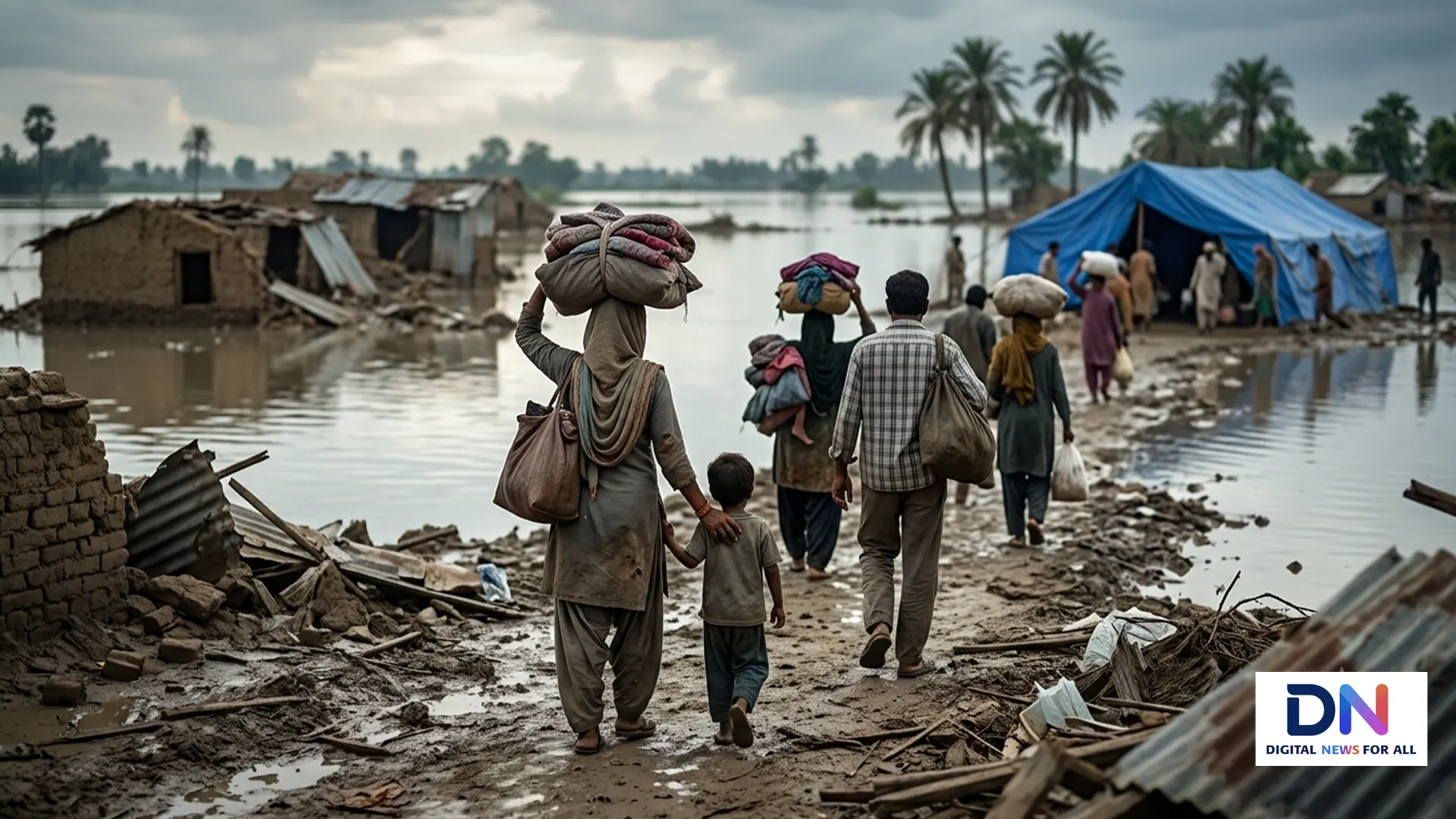
Nearly 90 million forcibly displaced people are living in countries highly exposed to climate hazards, according to a new warning from the United Nations refugee agency. Published ahead of the COP31 climate summit, the November 2026 findings highlight how droughts, floods and extreme heat are making already difficult humanitarian situations more dangerous. The warning also raises questions about whether existing immigration protections, including those in the United States, can respond to climate-related displacement.
What the UN’s 90-Million Figure Actually Means
The UN High Commissioner for Refugees (UNHCR) says nearly three in four forcibly displaced people worldwide live in countries facing high to extreme climate exposure. These people have often fled conflict, persecution or violence. Climate hazards can then threaten their safety, livelihoods and opportunities to rebuild.
The agency also reports that weather-related disasters triggered more than 255 million internal displacements over the past decade. These are movements within national borders, not necessarily international migration. Its findings underline how climate shocks can force repeated movement and undermine the possibility of a safe return home.
UNHCR’s November 2026 warning calls for more climate adaptation funding in fragile and displacement-affected communities. Reuters’ coverage also highlights the risks facing people returning to countries exposed to severe climate hazards.
Why US Immigration Law Faces Difficult Questions
The United States does not recognize a general immigration category called climate refugee. Under existing asylum law, applicants generally must demonstrate persecution, or a well-founded fear of persecution, connected to a protected legal ground. Climate-related hardship alone does not automatically meet that standard.
However, some existing protections may apply in particular circumstances. Temporary Protected Status, or TPS, can cover eligible nationals already in the United States when their home countries face environmental disasters or other qualifying conditions that prevent safe return. It is temporary protection, not an automatic route to permanent residency.
The Congressional Research Service’s 2026 TPS report explains the program’s eligibility rules and policy debates. The statutory framework is also outlined in U.S. asylum law. The Migration Policy Institute examines how countries are exploring protection options beyond traditional refugee definitions.
What Could Change in US Policy?
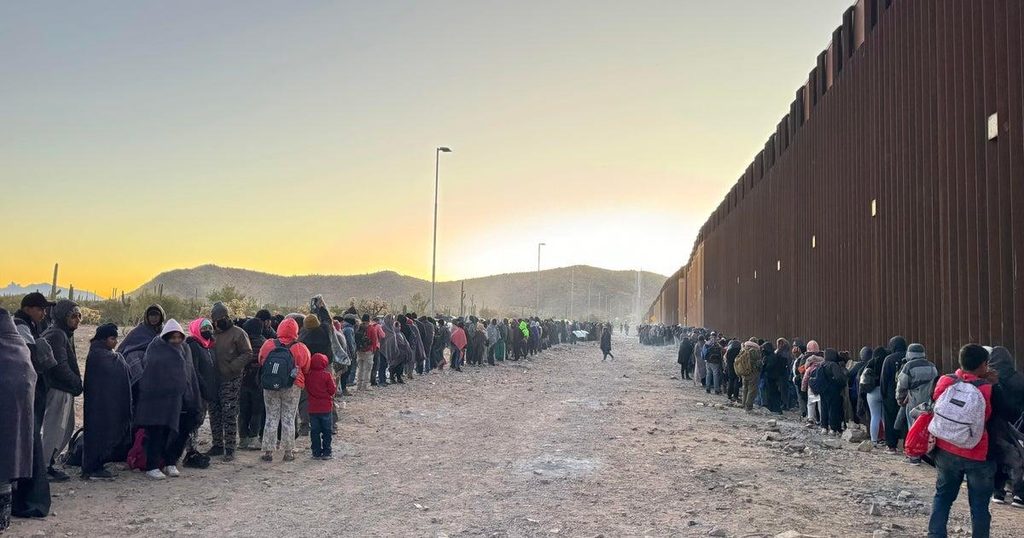
Policymakers face several questions: Should disaster-related protections be expanded? Could temporary humanitarian pathways better address people unable to return safely? And how should immigration agencies distinguish climate pressures from conflict, poverty and other causes of migration?
A Congressional Budget Office analysis notes that climate change may influence future immigration, but economic, political and social conditions also shape migration decisions. A previous White House executive order called for a government assessment of climate-related migration and possible protection options.
A Growing Challenge Beyond Border Enforcement
The UN warning does not predict that 90 million people will migrate to America. It highlights the risks facing displaced communities around the world. For US policymakers, the challenge is preparing a clear, lawful and workable response while supporting resilience in vulnerable regions. Climate adaptation, humanitarian protection and immigration planning are increasingly connected policy issues.
#ClimateDisplacement #ClimateMigration #UNHCR #ClimateCrisis #USImmigration #RefugeeProtection #HumanitarianCrisis #ImmigrationPolicy #COP31