

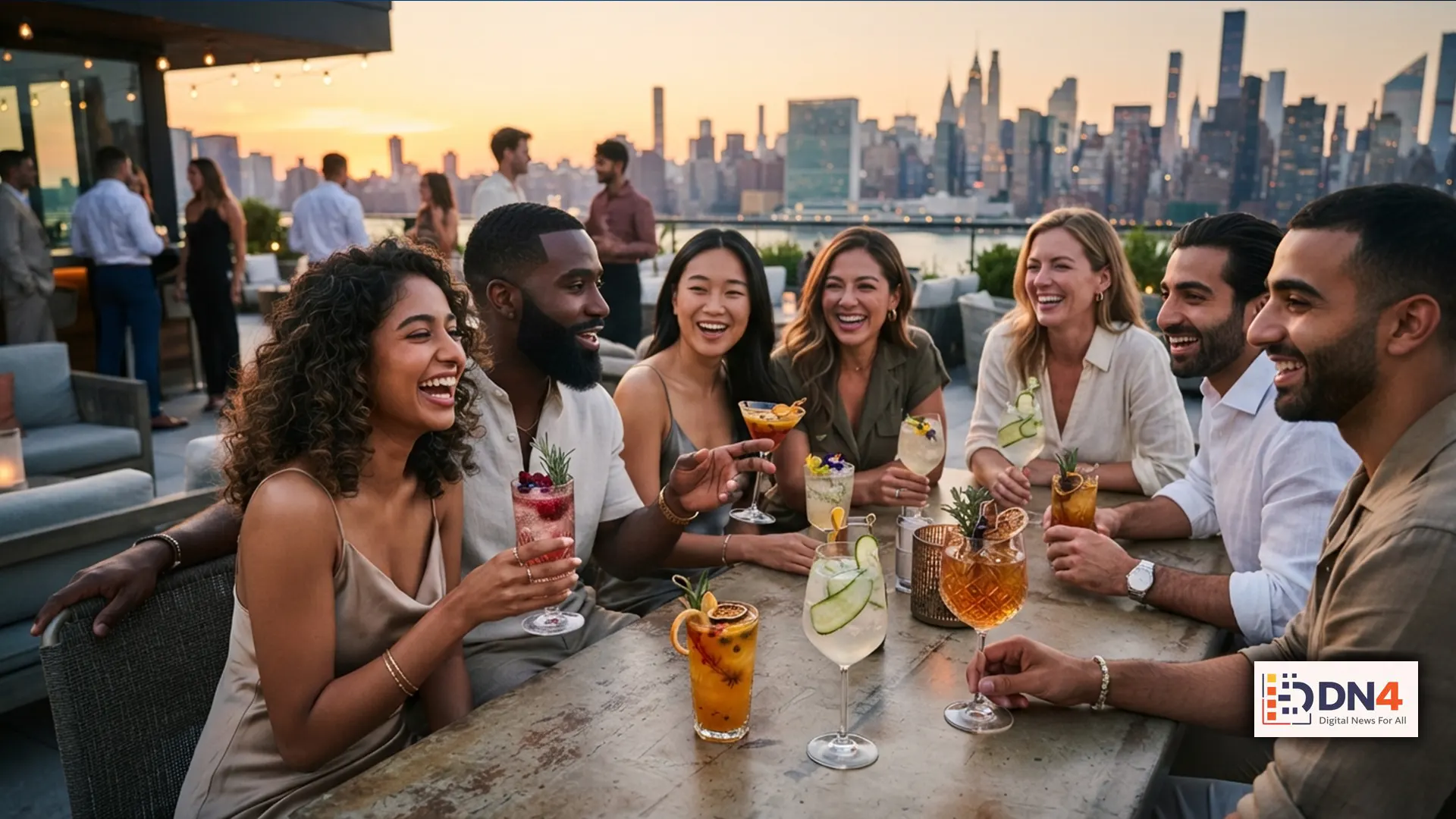
For generations, the classic weekend formula was familiar: meet friends, order drinks and stay out late. But a new social pattern is emerging. Alcohol-free socializing is becoming increasingly normal as consumers look for ways to enjoy restaurants, parties and nightlife without necessarily drinking alcohol.
This does not mean Americans have suddenly stopped drinking. Instead, the change is increasingly about moderation, choice and the desire to make social occasions compatible with health, work, fitness and personal routines.
The Rise of the Sober-Curious Consumer
Recent research shows that alcohol-free behavior is moving well beyond the traditional image of complete abstinence. Attest found that 35% of surveyed U.S. consumers rarely or never drink alcohol, while 36% of U.S. drinkers said they often abstain from alcohol at social events.
That creates a large middle ground: people who may enjoy alcohol occasionally but increasingly decide that a particular night out does not need it.
For younger legal-drinking-age consumers, the pattern can be especially flexible. IWSR has found that Gen Z consumers who choose no-alcohol products are more likely to be moderators than permanent abstainers.
Mocktails Are Becoming Part of the Experience
The beverage itself is also changing. Alcohol-free consumers increasingly expect something more interesting than soda or water.
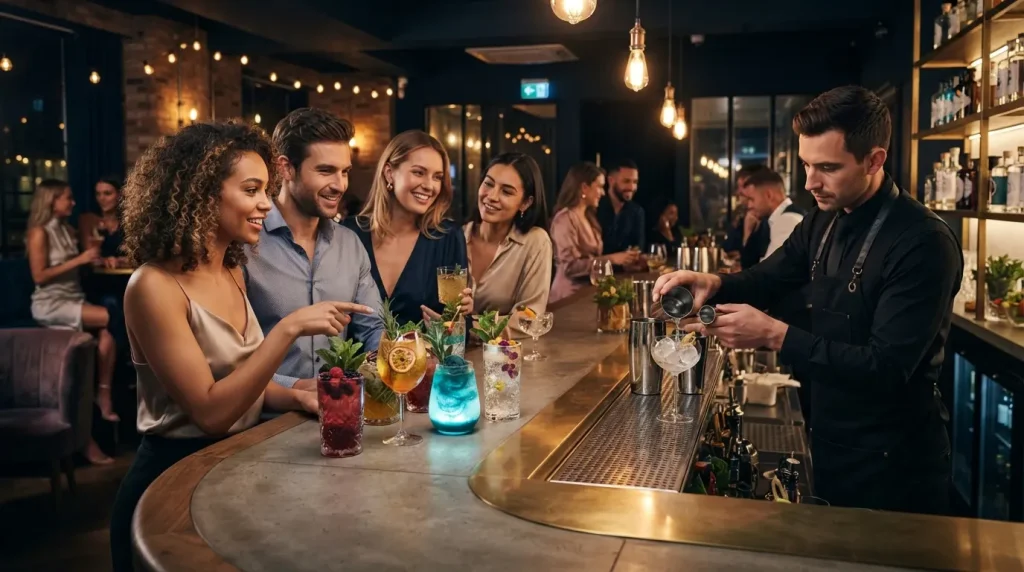
Modern bars and restaurants are responding with elaborate mocktails, zero-proof spirits, alcohol-free beer, sparkling botanical drinks and premium ready-to-drink alternatives. IWSR forecasts the U.S. no-alcohol market to grow at an 18% volume CAGR from 2024 to 2028, potentially reaching nearly $5 billion.
The category is also becoming more sophisticated. Consumers are not necessarily looking for a beverage that simply imitates alcohol; many want distinctive flavors, premium presentation and an enjoyable ritual of their own.
Health Is Only Part of the Story
Health and wellness are important drivers, but they are not the entire explanation. IWSR’s 2026 research found that health-related motivations remain prominent for consumers purchasing no-alcohol beer, wine and spirits.
People are also considering productivity, sleep, exercise, driving, finances and simply wanting more control over their weekends.
That shift is happening while traditional alcohol companies face softer demand in developed markets. Brown-Forman recently pointed to health consciousness and calorie concerns among factors affecting alcohol demand in the U.S.
Weekend Culture Is Changing
The most interesting consequence may be cultural rather than commercial. When alcohol is no longer the centerpiece of a night out, social venues have to offer something else.
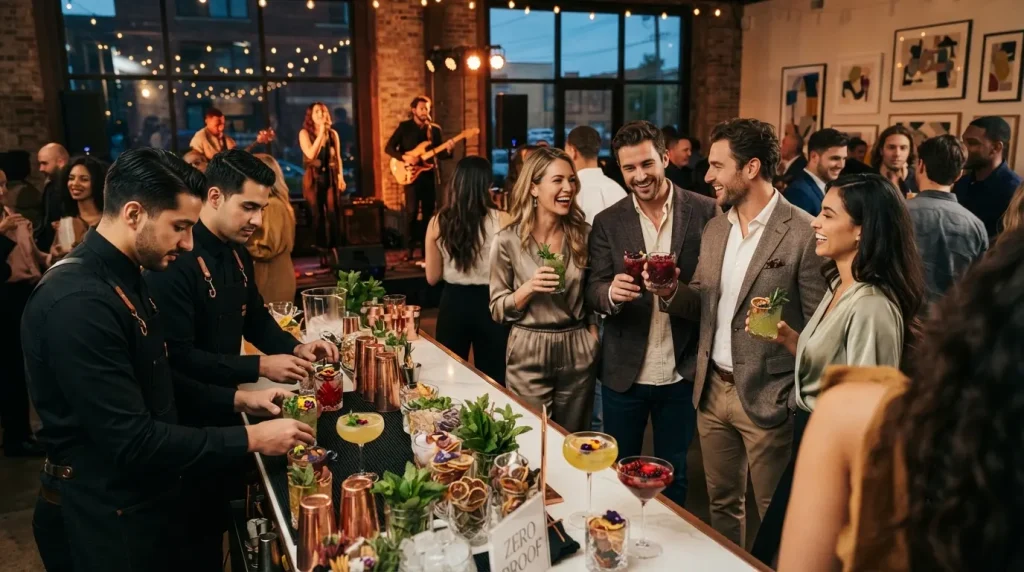
That could mean better food, live entertainment, games, music, creative beverages or simply a more comfortable environment for conversation. Recent reporting from Food & Wine highlights how bars are increasingly focusing on experiences and hospitality as drinking patterns change.
In this sense, alcohol-free socializing does not necessarily mean less socializing. It can mean redefining what makes a night memorable.
A New Normal, Not a Passing Fad
The no-alcohol movement still faces obstacles, including price, availability and taste. IWSR identifies all three as continuing barriers to wider adoption.
Yet the direction is increasingly clear. Alcohol-free products are moving from specialty shelves into mainstream social occasions, while consumers are becoming more comfortable switching between alcoholic and non-alcoholic options.
The future of weekend culture may therefore be less about choosing between drinking and not drinking—and more about having the freedom to choose differently from one occasion to the next.
The new status symbol may not be a drink in your hand. It may be having the kind of night you actually want.
IWSR, Attest, National Institute on Alcohol Abuse and Alcoholism, Mintel, Innova Market Insights, and Reuters.
#AlcoholFree #SoberCurious #NonAlcoholic #Mocktails #WeekendCulture #Wellness #ConsumerTrends #GenZ #LifestyleTrends