


A dramatic new chapter is unfolding in the global oil market as the United States deepens its involvement in Venezuela’s oil industry. The Trump administration says a new agreement could unlock billions of barrels of reserves, strengthen U.S. energy security and help rebuild Venezuela’s battered petroleum sector. Critics, however, warn that the arrangement could create legal, geopolitical and market risks.
The White House says North American Blue Energy Partners (NABEP) has received 100-year concessions covering 17 Venezuelan oil fields containing approximately 65 billion barrels of proven reserves. Under the agreement, the U.S. government would receive a 35% equity stake in NABEP’s parent company and preferential access to Venezuelan production.
Why Venezuela’s Oil Matters
Venezuela possesses some of the world’s largest proven crude-oil reserves, but years of underinvestment, mismanagement and political instability have left much of its production infrastructure severely degraded.
The new strategy is designed to attract enormous private investment. The White House says as much as $100 billion could eventually be invested in Venezuelan oil infrastructure, while the Venezuelan government could receive substantial tax and royalty revenue if production expands.
International companies are already positioning themselves. Chevron plans to invest more than $7 billion to expand its Venezuelan operations and potentially increase its production to 600,000 barrels per day within five years. Other companies, including Eni and GeoPark, are also pursuing new agreements.
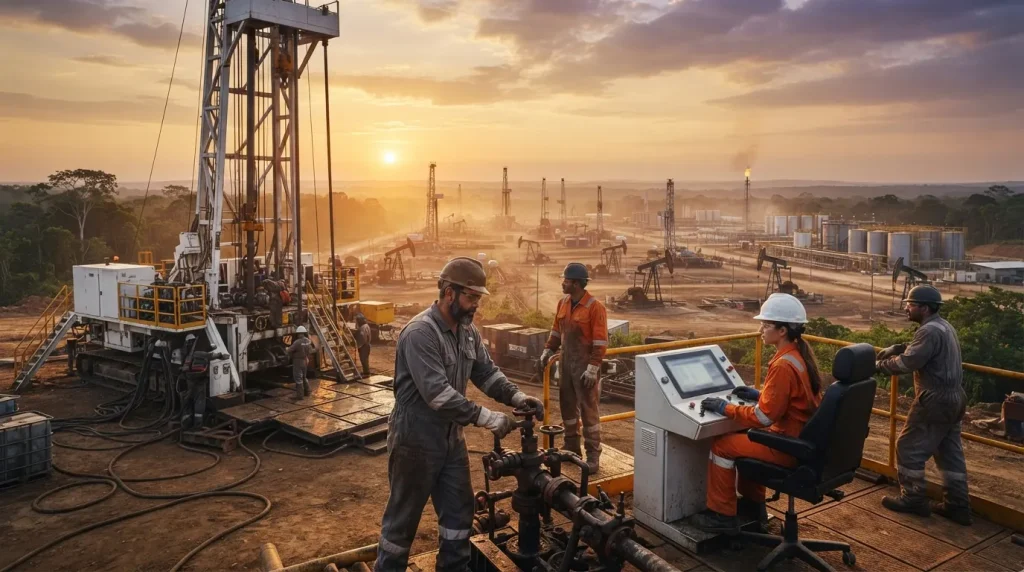
Could This Make America More Energy Secure?
Washington’s argument is straightforward: greater access to Venezuelan crude could diversify supply, reduce dependence on distant producers and provide additional oil for U.S. refineries and the Strategic Petroleum Reserve.
But increased access to foreign oil is not the same thing as energy independence. The United States remains a major oil producer, and Venezuelan crude is particularly heavy and requires suitable refining capacity. Expanding Venezuelan output therefore involves refineries, pipelines, diluents, shipping and billions of dollars in infrastructure.
Energy analysts also caution that consumers should not expect an immediate gasoline-price windfall. Venezuela’s deteriorated infrastructure means rebuilding production will take years, not weeks.
The Global-Risk Question
The biggest uncertainty may be geopolitical rather than geological. Critics argue that giving Washington significant control over Venezuelan oil assets could create questions about sovereignty, future governments and the durability of contracts.
Major oil companies are also watching carefully. Reuters reported that some producers remain concerned about the arrangement’s legal uncertainty and the possibility that U.S. government involvement could complicate competition for Venezuelan assets.
There is another risk: oil markets are global. A rapid increase in Venezuelan production could eventually add supply and put downward pressure on crude prices. Conversely, political disputes, infrastructure failures or sanctions could prevent the expected production growth and leave markets disappointed.
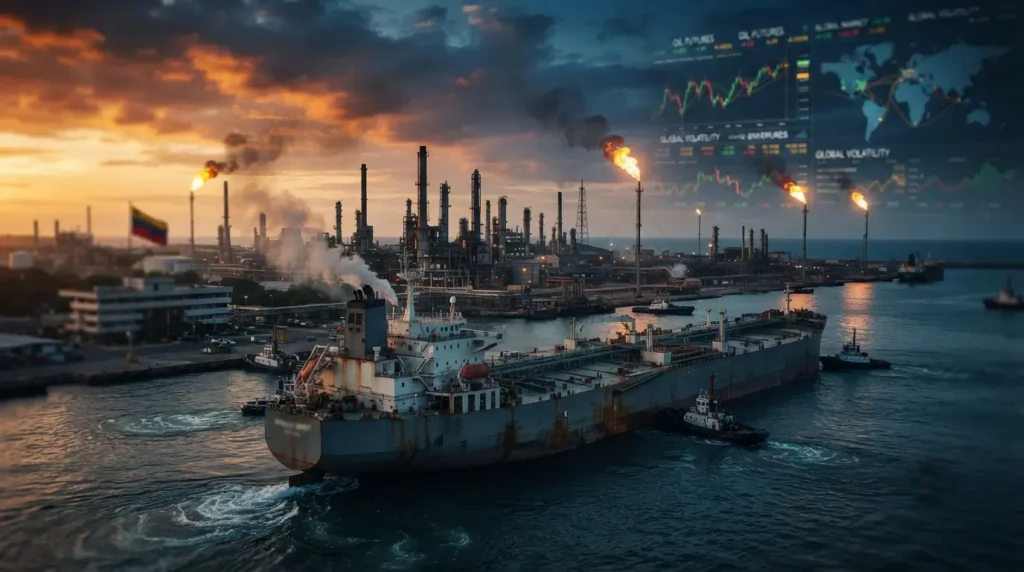
A High-Stakes Energy Experiment
The Venezuelan agreements represent more than an oil investment. They combine energy policy, foreign policy, national security and private capital in an unusually ambitious experiment.
If Venezuela can rebuild its petroleum industry and increase exports, the arrangement could benefit both countries while adding supply to a volatile global market. If legal disputes, political instability or infrastructure problems derail the plan, however, the promised energy-security benefits could prove much harder to achieve.
For now, the central question is not whether Venezuela has enough oil. It does. The question is whether the United States and its private-sector partners can turn those enormous underground reserves into reliable, economically viable and politically sustainable energy above ground.
What Comes Next
The coming years will reveal whether the new deals represent a genuine transformation of Venezuela’s energy sector or another ambitious plan overwhelmed by the country’s political and infrastructure challenges.
Either way, Venezuela is once again becoming a major variable in the global oil equation—and that makes these agreements important far beyond Caracas and Washington.
The White House, U.S. Department of Energy, U.S. Energy Information Administration, Reuters Energy, Associated Press Venezuela coverage, Chevron, and International Energy Agency.
#VenezuelaOil #USEnergy #OilMarkets #EnergySecurity #Chevron #Venezuela #GlobalEconomy #OilPrices #USNews