

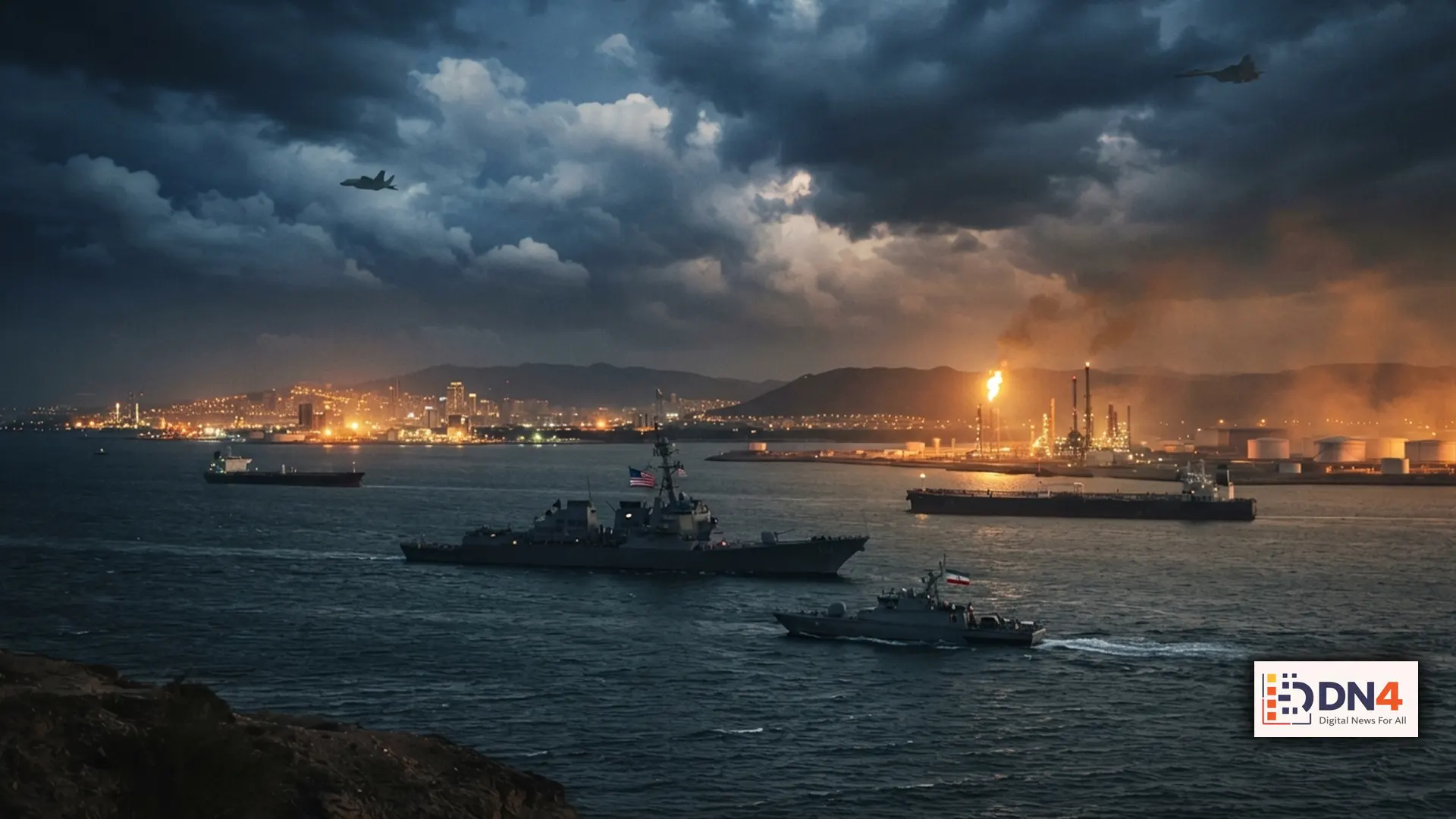
The latest US-Iran tensions have moved from an uneasy period of relative calm back toward direct military confrontation. On September 1, 2026, the United States launched a new wave of strikes against Iranian military targets, while Iran retaliated with missile and drone attacks against U.S. forces and allied positions across the Middle East.
For Americans, the consequences extend well beyond the battlefield. The renewed escalation could affect military personnel, travelers, energy prices, financial markets and the broader security environment.
What Triggered the Latest Escalation?
The U.S. military said its latest strikes targeted elements of Iran’s Islamic Revolutionary Guard Corps, including air-defense, radar, communications and maritime capabilities. The operation followed heightened tensions around commercial shipping and Iranian activity near the Strait of Hormuz, one of the world’s most important oil-transit routes.
Iran responded with missile and drone attacks aimed at U.S. military facilities and American allies in countries including Jordan, Bahrain and Iraq. Several neighboring states reported intercepting incoming threats.
Why the Strait of Hormuz Matters
The Strait of Hormuz is a critical chokepoint for global energy supplies. Any sustained disruption could raise transportation costs, tighten crude-oil supplies and push fuel prices higher.
Recent attacks on commercial shipping have already increased market anxiety. Reuters reported that renewed fighting pushed oil prices higher and revived concerns about inflation and economic growth.
For U.S. households, that could eventually translate into higher gasoline, transportation and other energy-related costs if the disruption persists.
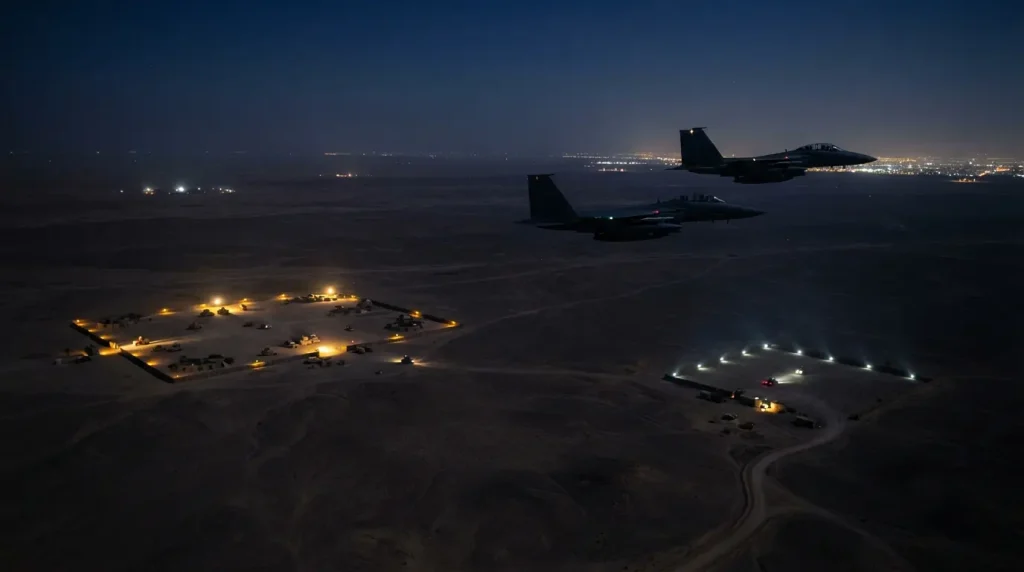
Could Americans Face Direct Risks?
For most people in the United States, the immediate risk is not a direct military attack on American communities. The more immediate concerns involve Americans serving in the region, travelers near affected countries, commercial shipping and the potential economic effects of a prolonged conflict.
Americans traveling or living in the Middle East should monitor official guidance from the U.S. Department of State and their local authorities rather than relying on social-media reports.
That distinction is particularly important because misinformation can spread rapidly during military crises. Reports of attacks, casualties and military movements can change as authorities verify events.
Why This Could Become a Wider Regional Crisis
The greatest concern is escalation. Iran has demonstrated the ability and willingness to target U.S. interests beyond Iran’s borders, while the United States has significant military assets and partnerships across the region.
Each additional attack creates the possibility of another retaliation. That can produce a cycle in which a conflict initially described as limited becomes increasingly difficult to contain.
There are also multiple potential flashpoints. The Strait of Hormuz, Gulf shipping lanes, U.S. military facilities in neighboring countries and other regional conflicts could all become connected to the broader confrontation.
What About Diplomacy?
Despite the renewed fighting, diplomacy has not completely disappeared. Iranian officials have continued discussing the possibility of negotiations, while regional countries have called for renewed efforts to prevent further escalation.
The problem is that military action and diplomacy are now operating simultaneously. A single attack or political statement could change the negotiating environment within hours.

What Should Americans Watch?
- Oil prices: Prolonged disruption around Hormuz could increase energy costs.
- U.S. military deployments: Additional deployments could signal a broader escalation.
- Commercial shipping: Further attacks could disrupt global trade and energy transportation.
- Travel advisories: Americans abroad should follow official State Department guidance.
- Diplomatic contacts: Negotiations or a new ceasefire could rapidly reduce tensions.
The latest US-Iran confrontation is not simply another diplomatic disagreement. It combines military power, regional alliances, global energy markets and international shipping in one increasingly interconnected crisis.
For Americans, the most useful response is not panic but awareness. Follow reliable government and news sources, verify dramatic claims before sharing them, and understand that developments in the Middle East can affect Americans even when the fighting remains thousands of miles away.
The immediate question is whether the latest exchange remains contained or becomes the beginning of a much wider regional confrontation. With military forces already engaged and the Strait of Hormuz under intense pressure, the answer could have consequences far beyond the Middle East.
U.S. Department of State, U.S. Department of Defense, U.S. Central Command, U.S. Energy Information Administration, Reuters Middle East, Associated Press Iran coverage, and United Nations.
#USIran #IranConflict #MiddleEast #StraitOfHormuz #USNews #Geopolitics #OilPrices #NationalSecurity #WorldNews