


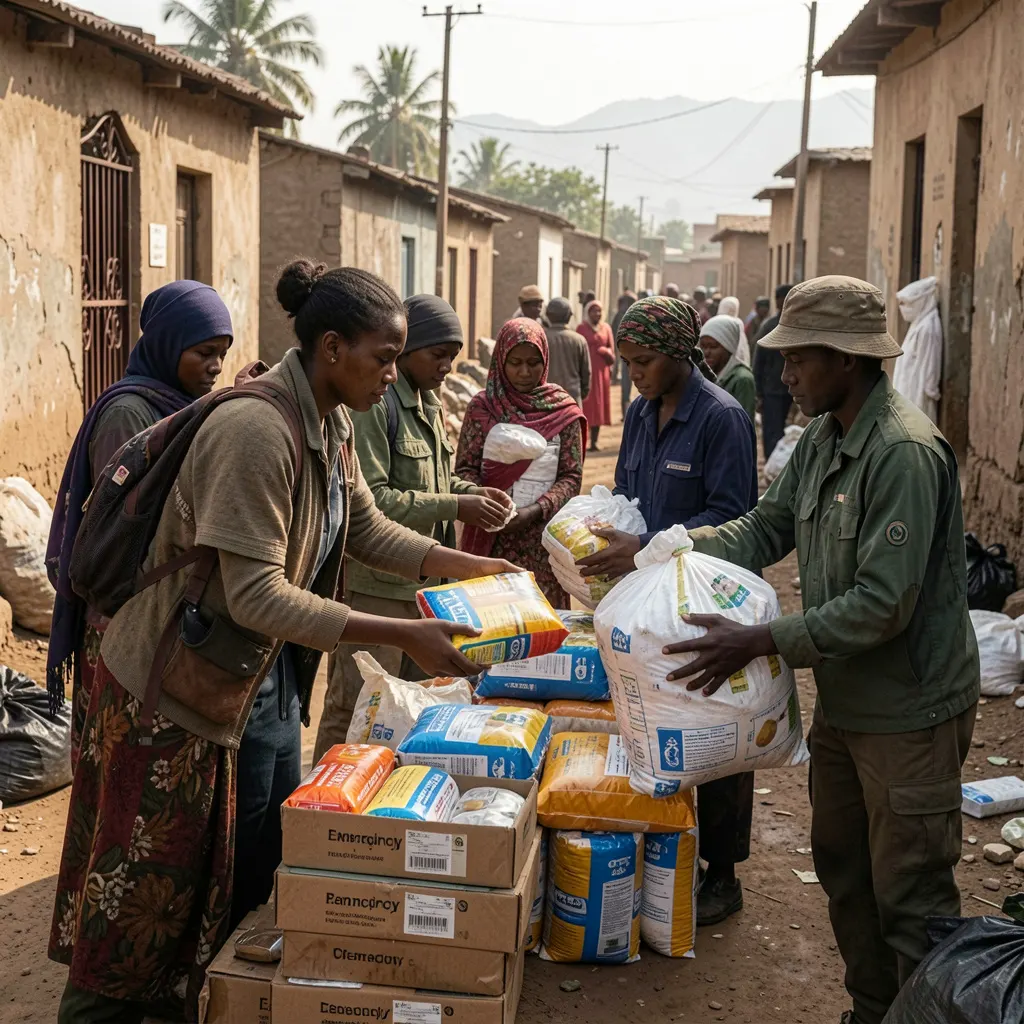
The U.S. Agency for International Development (USAID) has long served as America’s primary organization for delivering humanitarian assistance, disaster relief, health initiatives, and economic development worldwide. In 2025, however, the agency underwent one of the most significant reorganizations in its history. While USAID has not been abolished by Congress, much of its operational structure has been dramatically reduced, with thousands of employees leaving the agency, thousands of programs ending, and many remaining responsibilities shifting to the U.S. Department of State.
The restructuring has become a major topic in Washington and abroad, prompting questions about how the United States will deliver foreign assistance and what these changes mean for partner nations and humanitarian organizations.
What Changed?
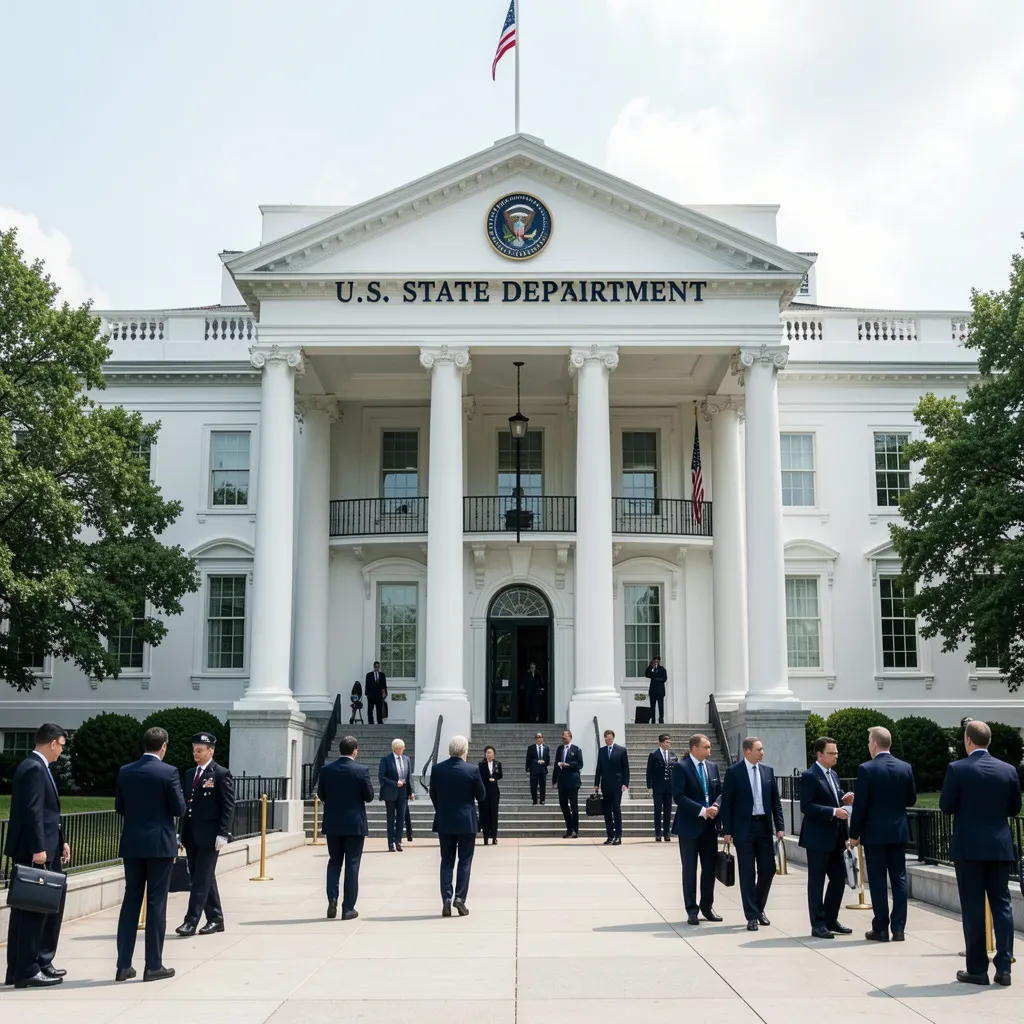
The restructuring followed a broader effort by the administration to reduce federal spending and reorganize foreign assistance. According to the U.S. Department of State, many foreign assistance functions are being consolidated to improve coordination between diplomacy and development programs.
Officials have stated that approximately 83% of USAID-funded programs were terminated during the review process, while the remaining initiatives continue under revised management structures. The agency itself remains established under federal law, but its day-to-day operations have been substantially reduced.
Why USAID Matters
Since its creation in 1961, USAID has supported projects ranging from emergency food assistance and disease prevention to education, infrastructure, and democratic governance. Information about its historic mission remains available through the U.S. Agency for International Development.
International organizations such as the World Bank and the United Nations have frequently partnered with USAID on development and humanitarian programs across dozens of countries.
Potential Global Impact
“Supporters of the restructuring argue that consolidating foreign aid under the State Department could help. It could improve oversight, reduce duplication, and align assistance more closely with U.S. foreign policy objectives. Critics, however, warn that sudden program reductions may affect humanitarian relief, public health initiatives, food security, and long-term development efforts in vulnerable regions.
Policy analysts from organizations such as the Center for Strategic and International Studies (CSIS) and the Council on Foreign Relations note that the long-term consequences will depend on how remaining programs are funded and administered.
What Happens Next?
The restructuring continues to face political debate and legal scrutiny. Congress retains authority over federal appropriations and agency authorizations, while courts have reviewed aspects of workforce reductions and program cancellations. Future administrations or lawmakers could further modify, expand, or reorganize America’s foreign assistance system.
Resources from the U.S. Government Accountability Office (GAO) and the Congressional Research Service provide additional analysis of foreign aid oversight and legislative authority.
USAID has not disappeared, but its role has changed dramatically. For supporters, the restructuring represents an effort to streamline government and better integrate diplomacy with foreign assistance. For critics, it raises questions about America’s humanitarian leadership and its ability to respond quickly to global crises. As implementation continues, the future of U.S. foreign aid remains uncertain. It will likely stay a significant issue in both domestic politics and international relations.
#USAID #ForeignAid #USPolitics #GlobalDevelopment #StateDepartment #HumanitarianAid #InternationalRelations #Policy #WorldNews