


Hollywood CEO shakeups are reshaping the entertainment industry as streaming competition, corporate mergers and financial pressure force companies to reconsider who controls their creative future. In October 2026, major leadership changes at Netflix and the newly combined Skydance have highlighted a growing shift in how Hollywood makes business decisions.
Hollywood’s Corporate Power Shift
The completion of Paramount’s acquisition of Warner Bros. Discovery has created a major entertainment company called Skydance. The combined business brings together Warner Bros. and Paramount studios, HBO Max, Paramount+, CNN and CBS News under a new corporate structure.
According to the Associated Press report on the merger, the transaction represents a major consolidation of American media assets. David Ellison leads the company as chairman and CEO, with former Mattel chief Ynon Kreiz serving as co-CEO.
The new leadership structure also brings difficult personnel decisions. The Los Angeles Times’ coverage of the executive appointments reported that Warner Bros. studio leaders Michael De Luca and Pam Abdy would not join the new organization.
Netflix Changes Its Creative Leadership
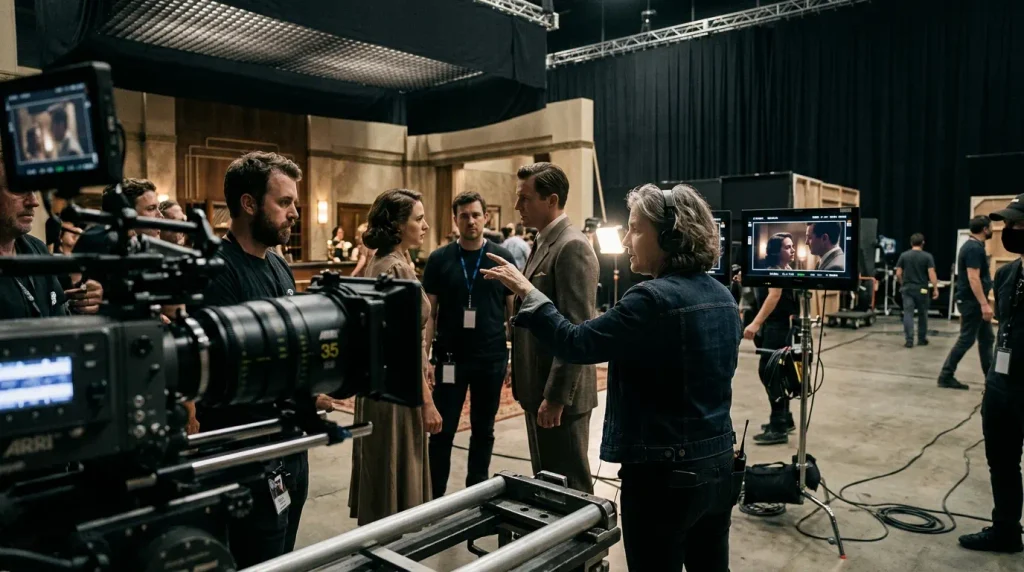
Hollywood CEO shakeups extend beyond mergers. Netflix announced on October 15 that Peter Rice, a former senior Disney executive, would replace Bela Bajaria as chief content officer. Rice is scheduled to assume the role on October 26.
The official Netflix announcement confirms that Rice will oversee films, television, unscripted programming and live events worldwide. The appointment comes as the company faces pressure to sustain audience engagement and deliver successful content.
Reuters’ latest Netflix coverage highlights intensifying competition from creator-driven platforms such as YouTube. This shift challenges streaming executives to balance expensive productions with changing viewer habits.
What Leadership Changes Mean for Filmmakers
Executive turnover can reshape which projects receive funding, which filmmakers gain opportunities and how much creative freedom studios preserve. New leaders may prioritize established franchises, global audiences and predictable returns. However, ambitious original films can still become valuable cultural and commercial successes.
The Atlantic’s analysis of Warner Bros.’ leadership changes raises questions about the future of risk-taking in studio filmmaking. Meanwhile, Reuters’ reporting on Disney’s television restructuring illustrates the wider industry’s focus on streamlining operations.
A New Hollywood Is Taking Shape
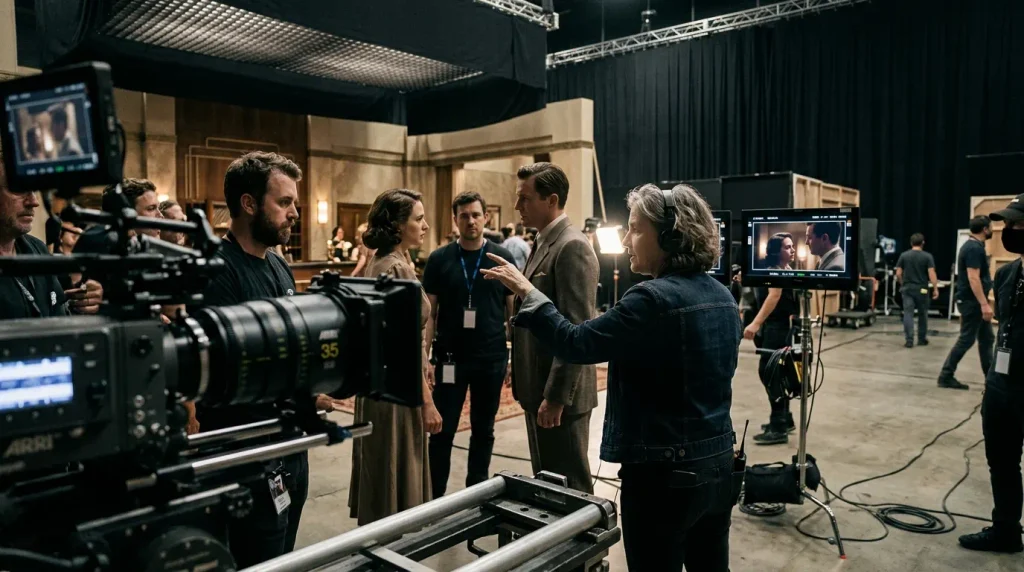
These changes do not mean CEOs are disappearing. Instead, corporate leaders face greater pressure to demonstrate that their strategies can attract audiences, control costs and support sustainable growth. The new Skydance leadership’s statement emphasizes combining creative resources with technology and scale.
Ultimately, Hollywood’s next chapter will depend on whether consolidation and executive changes strengthen storytelling or narrow creative choices. The industry’s real test is not who occupies the corner office, but whether leadership decisions produce films and shows audiences genuinely want to watch.
#Hollywood #MediaIndustry #StreamingWars #Netflix #WarnerBros #Paramount #EntertainmentNews #FilmIndustry