

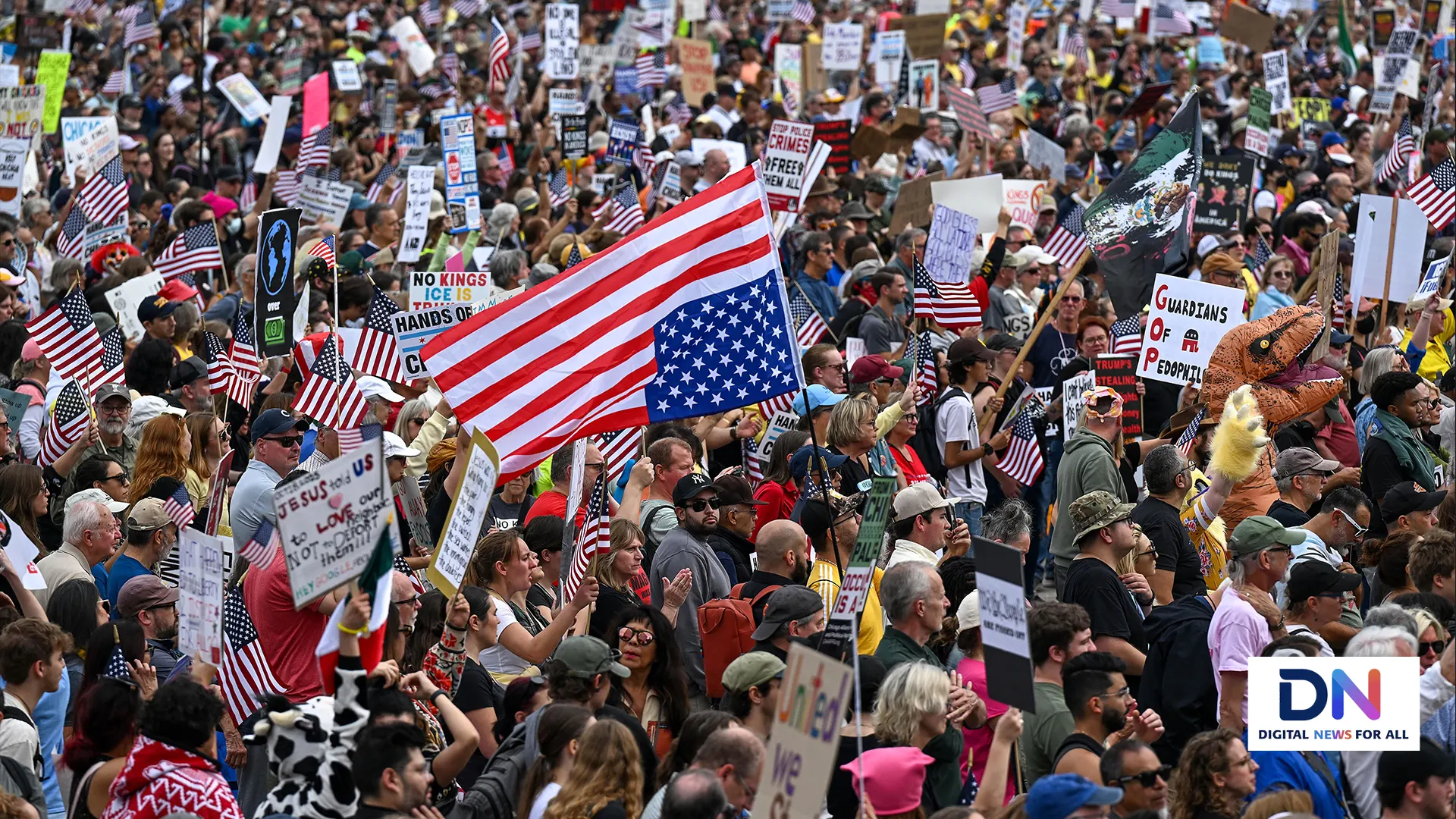
The No Kings protests are becoming a major political talking point as the United States approaches the November 3, 2026, midterm elections. With demonstrators challenging President Donald Trump’s policies and urging Americans to defend democratic institutions, a crucial question remains: Can street activism translate into votes, or could it create problems for Democrats?
How No Kings Is Moving Beyond Street Protests
The No Kings movement has mobilized people across the country around concerns about executive power, immigration policy and democratic accountability. Its October 17, 2026, events placed greater emphasis on early voting, signaling a shift from public demonstrations toward direct civic participation.
According to the movement’s official website, organizers are encouraging eligible voters to make a voting plan and prepare to defend election integrity. Associated Press reporting also described rallies urging Americans to vote early before the midterms.
Why Protests Could Help Democrats
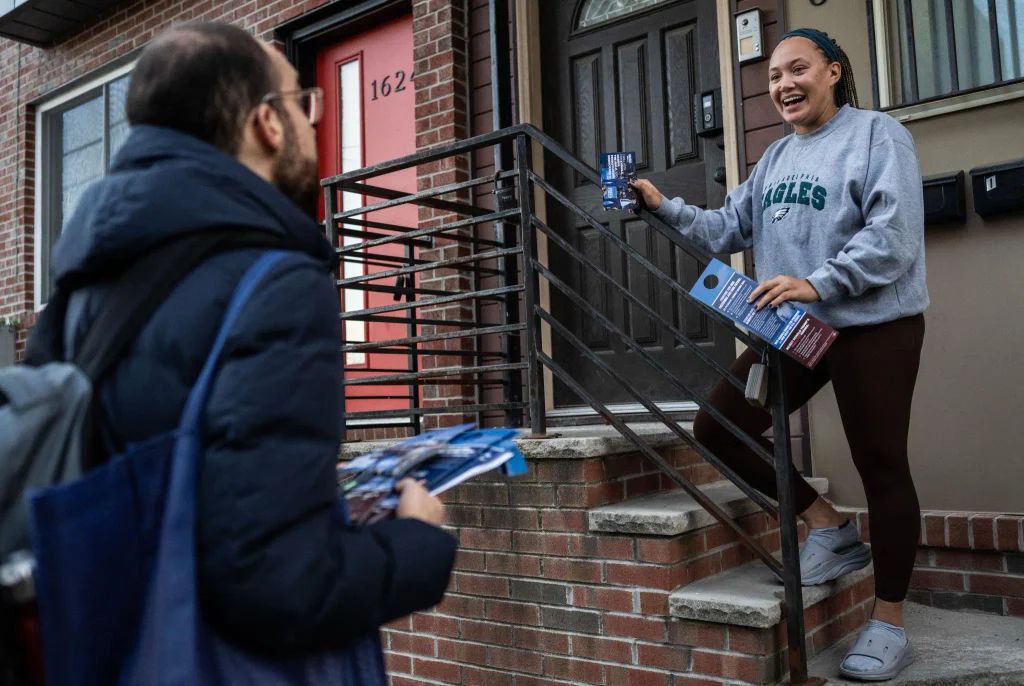
Large demonstrations can attract media attention, build community networks and energize people who might otherwise ignore an election. Volunteers who first attend a rally may later register voters, canvass neighborhoods or help eligible voters understand their options.
A Carnegie Endowment analysis argues that mass mobilization becomes more consequential when organizers connect protests with sustained civic organizing and electoral participation. The movement’s focus on early voting could therefore help convert public frustration into measurable engagement.
The stakes are significant. Reuters’ midterm election overview highlights the congressional contests that will determine control of the House and Senate. In competitive districts, turnout and voter enthusiasm could influence close races.
Could the Movement Backfire?
However, large crowds do not automatically represent broader public opinion or guarantee additional votes. Critics may view the demonstrations as partisan, while voters focused on inflation, jobs, healthcare or local concerns may feel disconnected from national protest messaging.
Research and commentary on the movement have also raised questions about whether its broad message offers sufficiently specific goals. A Guardian analysis of No Kings explored the challenge of turning a diverse protest coalition into sustained political action.
Democrats also risk allowing Republicans to frame the movement as evidence of political extremism. If rallies dominate headlines without clear policy priorities or local voter outreach, they could generate attention without persuading undecided voters.
The Midterm Test: Turning Energy Into Votes
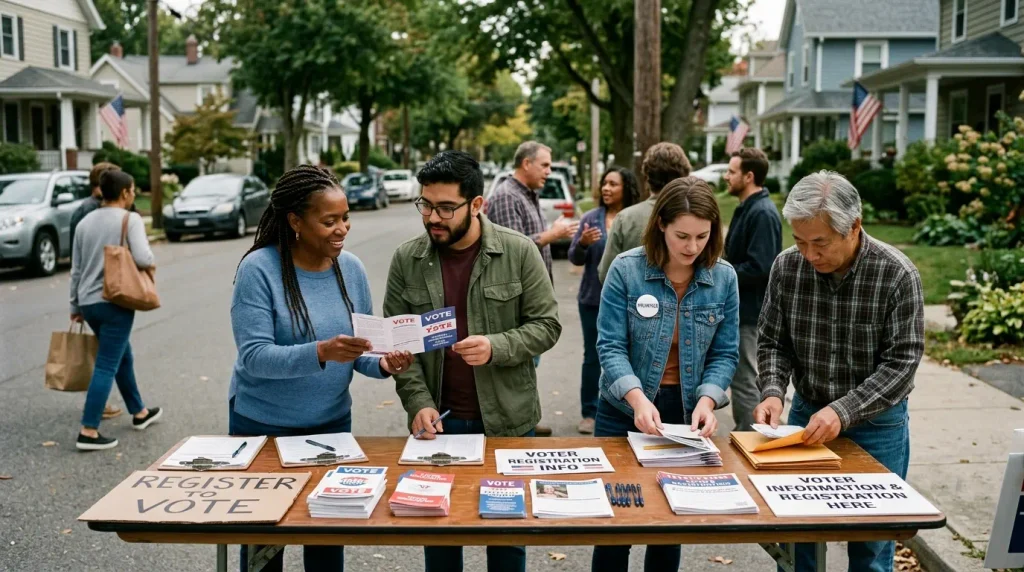
The most important measure of success will not be crowd size alone. Campaigns and organizers must determine whether demonstrations lead to new volunteers, meaningful conversations with undecided voters and stronger turnout among eligible voters.
Reuters’ report on Meta’s temporary suspension of the movement’s Instagram account also illustrates how important digital platforms have become for protest coordination and political communication.
For further context, No Kings organizers’ election resources explain their voter participation and election-defense priorities, while Associated Press coverage of election preparations describes broader efforts to prepare for potential voting disputes.
No Kings protests could help Democrats if they strengthen grassroots organizing and motivate voters to participate. They could hurt if visibility replaces persuasion or practical campaigning. With Election Day approaching, the decisive question is whether street-level energy becomes sustained civic action at the ballot box.
#NoKings #Midterms2026 #USPolitics #Democrats #VoterTurnout #PoliticalProtests #GrassrootsActivism #Democracy #Election2026