

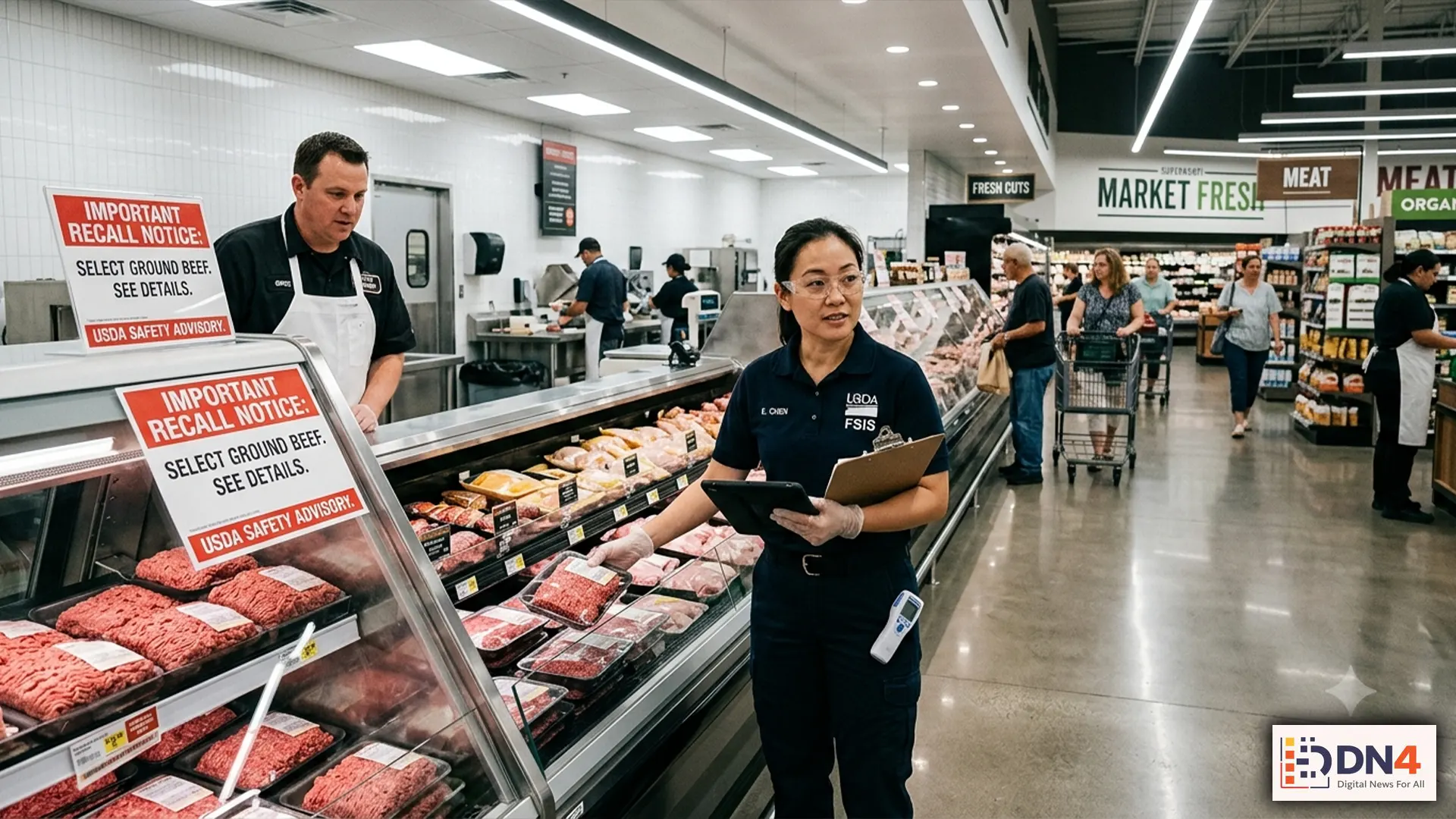
The U.S. Department of Agriculture (USDA) continues to issue food safety recalls to protect consumers from potentially harmful products circulating in the market. These alerts are part of an ongoing effort to prevent foodborne illness and ensure public safety across the United States.
Why USDA Recalls Happen
According to the Food Safety and Inspection Service (FSIS), recalls are typically issued when food products are contaminated, mislabeled, or fail to meet federal safety standards. Common causes include:
- Potential bacterial contamination such as Salmonella or Listeria
- Undeclared allergens like nuts, dairy, or soy
- Packaging or labeling errors
- Foreign material contamination
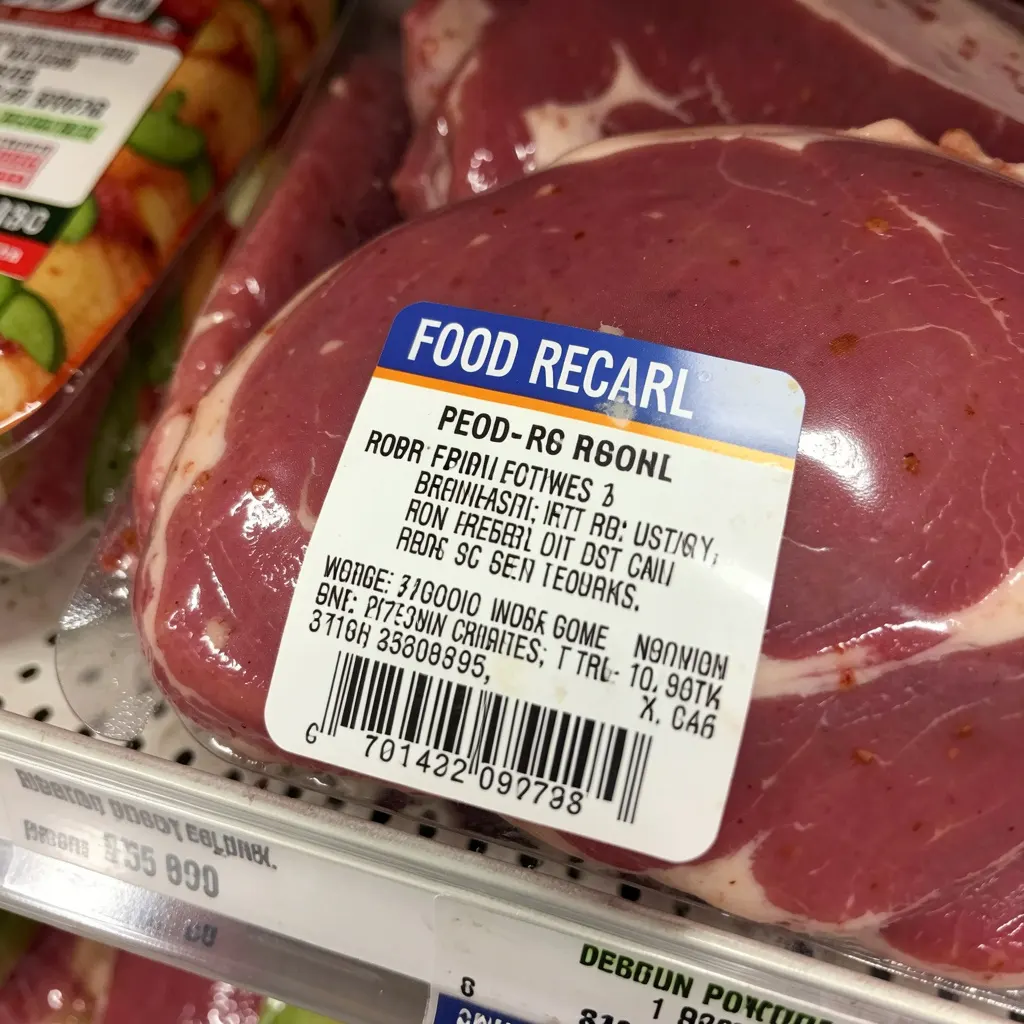
Recent Trends in Food Recalls
Food safety experts note an increase in recalls in recent years due to improved detection systems and stricter regulatory oversight. Organizations such as the Centers for Disease Control and Prevention continue to track outbreaks linked to contaminated food products.
While recalls may seem alarming, they are a sign of a functioning safety system designed to quickly remove risky products from shelves.
What Consumers Should Do
If you suspect you have purchased a recalled product, the USDA recommends:
- Checking product labels and lot numbers carefully
- Returning or discarding affected items immediately
- Following official USDA recall notices
- Seeking medical attention if symptoms appear after consumption
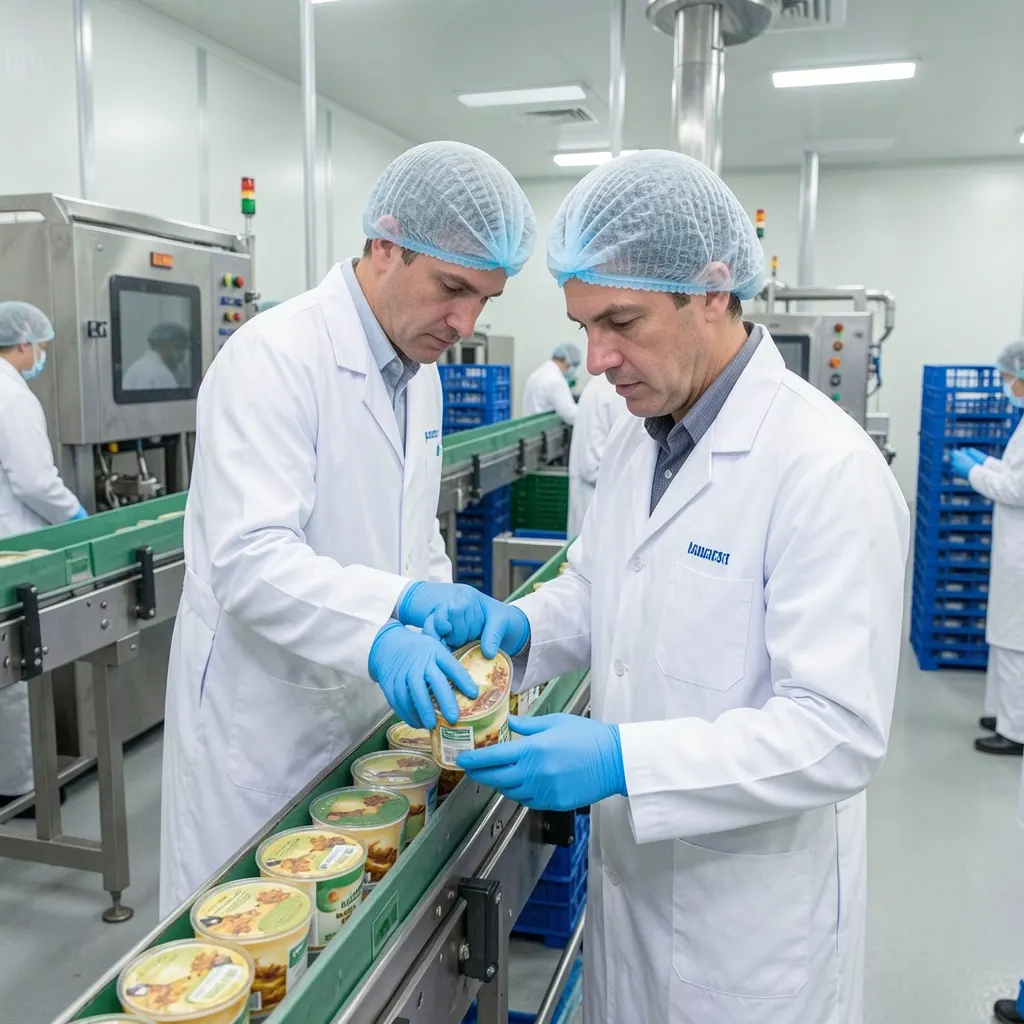
How to Stay Updated
Consumers can stay informed by regularly checking official updates from the USDA and FSIS websites. Many grocery retailers also provide in-store recall alerts and online notifications.
USDA recalls play a critical role in maintaining food safety across the nation. Staying informed and responding quickly to alerts helps reduce health risks and ensures safer food consumption for all households.
#USDARecalls #FoodSafety #RecallAlert #USDA #FSIS #HealthSafety #FoodNews #PublicHealth #ConsumerSafety