


In 2026, staying connected has never been easier. Smartphones, smart homes, wearable devices, connected vehicles, and AI-powered assistants have transformed the way people live, work, and communicate. Yet with every new convenience comes a growing challenge: protecting personal data in a world where nearly everything is connected.
From social media interactions to online shopping habits, individuals generate enormous amounts of digital information daily. According to the Cybersecurity and Infrastructure Security Agency (CISA), cyber threats continue evolving as criminals seek new ways to exploit personal and financial information.
This creates what experts call the “privacy paradox”—people value privacy more than ever, yet routinely share vast amounts of personal data through digital services.
Why Privacy Matters More Than Ever
Every online activity leaves a digital footprint. Search histories, location data, purchasing behavior, health metrics, and even voice recordings may be collected by apps and connected devices.
Technology companies often use this information to improve services and personalize user experiences. However, privacy advocates at the Electronic Frontier Foundation (EFF) warn that excessive data collection can increase risks when information is mishandled, shared, or exposed during security incidents.
Data breaches affecting millions of users have become increasingly common, highlighting the importance of proactive privacy management.
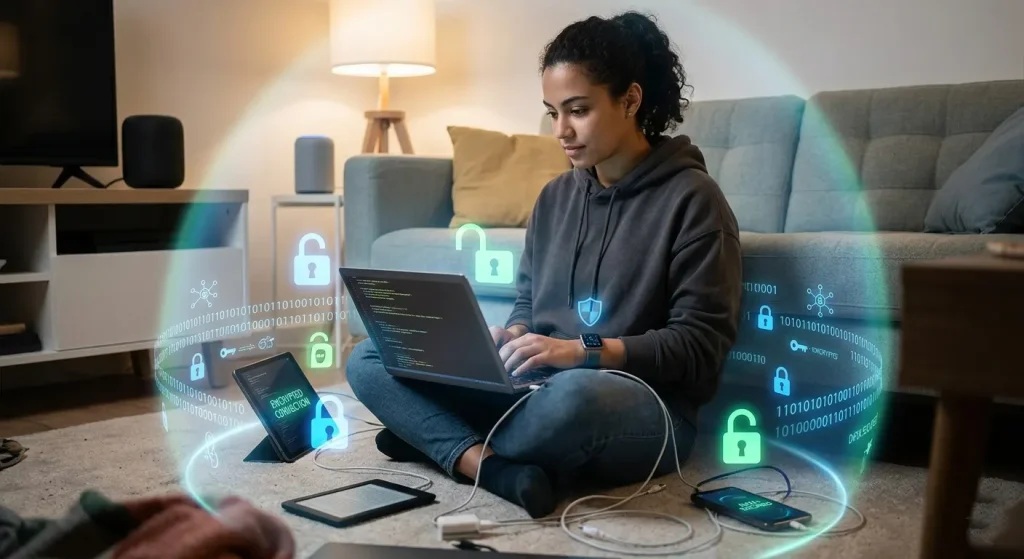
The Biggest Threats to Personal Data
Cybersecurity experts identify several major risks facing consumers today:
- Phishing scams and social engineering attacks
- Identity theft and financial fraud
- Weak or reused passwords
- Insecure public Wi-Fi networks
- Unverified mobile applications
- Data breaches involving third-party services
Organizations such as the National Institute of Standards and Technology (NIST) continue recommending stronger authentication practices to reduce exposure to these threats.
How to Strengthen Your Digital Privacy
Protecting personal information does not require advanced technical knowledge. Small steps can significantly improve digital security:
- Use unique passwords for every account
- Enable multi-factor authentication (MFA)
- Review privacy settings regularly
- Limit app permissions whenever possible
- Update devices and software promptly
- Use reputable password managers
Privacy-focused tools offered by companies like Mozilla and encrypted communication platforms such as Signal can provide additional protection.
The Role of Artificial Intelligence
Artificial intelligence is both improving and complicating privacy protection. AI helps detect fraud, identify cyber threats, and strengthen security systems. At the same time, AI systems often require access to large datasets, raising concerns about transparency and data governance.

Regulatory bodies worldwide are increasingly exploring new frameworks to ensure responsible AI development and stronger privacy safeguards.
The Future of Privacy
As connected devices become more integrated into daily life, privacy will likely become one of the defining technology issues of the decade. Governments, businesses, and consumers all share responsibility for creating a safer digital environment.
Reports from the World Economic Forum suggest that digital trust may become a key competitive advantage for organizations that prioritize transparency and responsible data practices.
Ultimately, protecting privacy in a hyper-connected world is not about avoiding technology—it is about using it wisely. By understanding how data is collected and taking practical security measures, individuals can enjoy the benefits of connectivity without sacrificing control over their personal information.
#DataPrivacy #CyberSecurity #OnlineSafety #DigitalPrivacy #IdentityProtection #CyberAwareness #TechSecurity #PrivacyMatters