

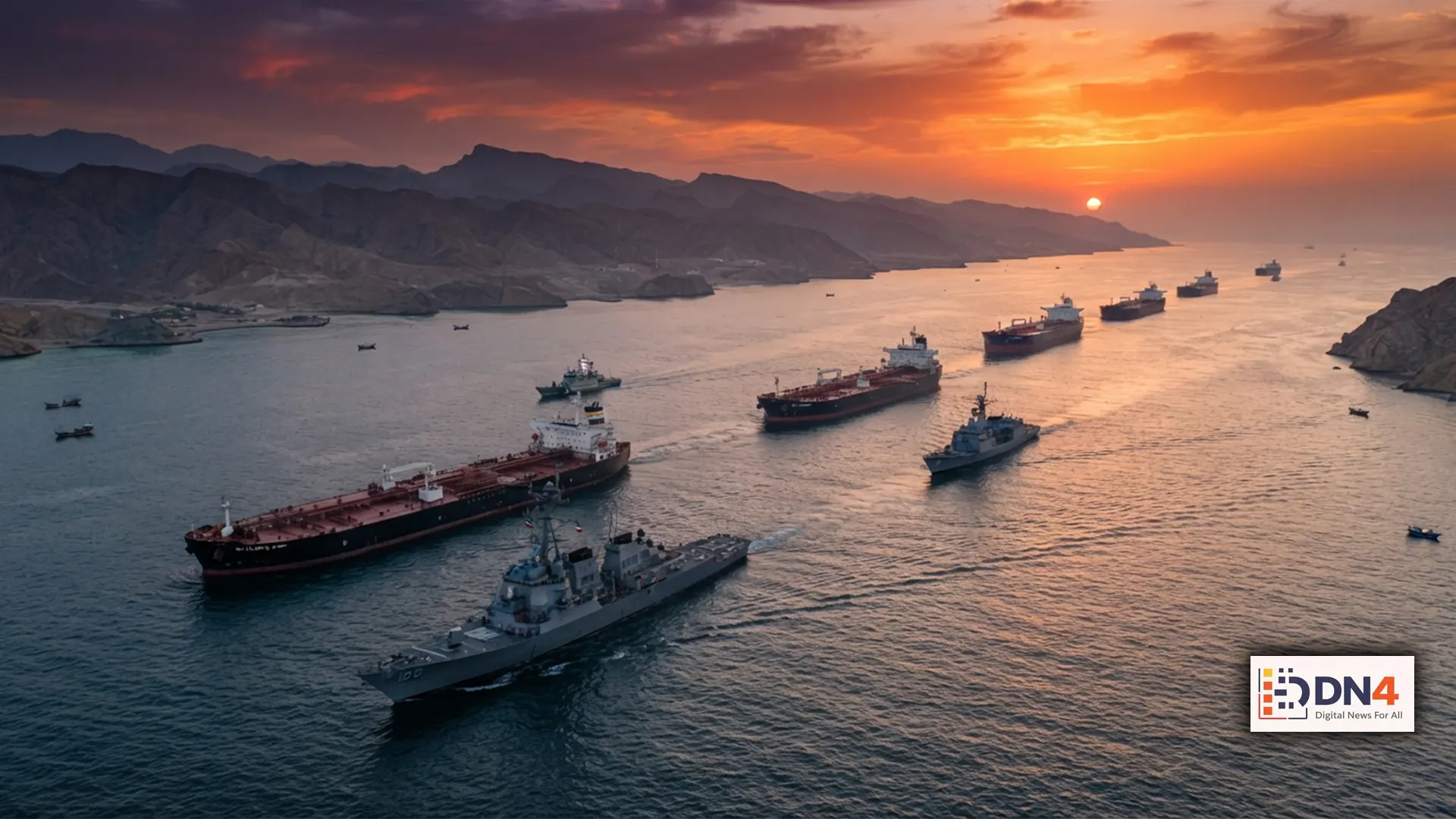
The Strait of Hormuz has once again become one of the world’s most closely watched maritime chokepoints. This comes as U.S. military operations in the region intensify. The narrow waterway connects the Persian Gulf to the Gulf of Oman and handles roughly one-fifth of the world’s oil shipments. That makes its security vital for global energy markets and international trade. As regional tensions persist, U.S. Central Command (CENTCOM) has increased military operations aimed at protecting American personnel, allied forces, and commercial shipping.
According to the U.S. Central Command (CENTCOM), American forces continue conducting operations to deter attacks against military assets and maintain freedom of navigation across key maritime routes. The U.S. Department of Energy notes that disruptions in the Strait of Hormuz can significantly affect global energy supplies and fuel prices.
Why the Strait of Hormuz Matters
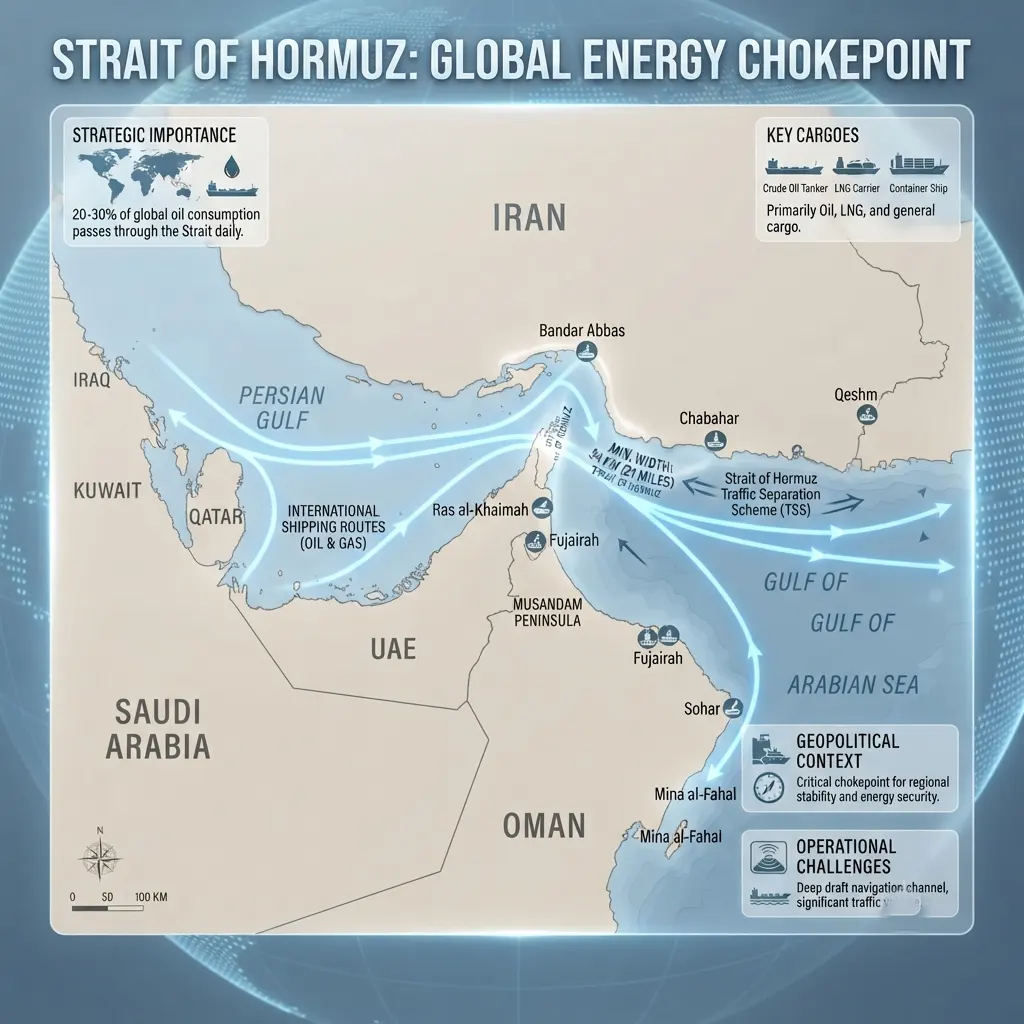
The Strait of Hormuz is one of the world’s most strategically important shipping lanes. Every day, millions of barrels of crude oil and liquefied natural gas pass through its narrow passage. They supply markets across Asia, Europe, and North America. Data published by the U.S. Energy Information Administration (EIA) consistently identifies the strait as one of the world’s most critical oil transit chokepoints.
Why U.S. Military Strikes Have Increased
Recent military actions have followed repeated attacks targeting U.S. personnel, coalition forces, and commercial vessels operating in the broader Middle East. American officials say many of the operations are intended to disrupt the capabilities of armed groups responsible for missile launches, drone attacks, and threats to maritime traffic. The U.S. Department of Defense has repeatedly emphasized that these operations are designed to protect regional stability and international shipping rather than disrupt commercial trade.
The Human Cost of the Conflict
Several military incidents in recent months have resulted in troop casualties, injuries, and damage to military installations across the region. These events have heightened concerns about the potential for broader regional escalation involving multiple state and non-state actors. Security assessments from the North Atlantic Treaty Organization (NATO) continue to stress the importance of protecting critical maritime infrastructure and preventing wider instability.
Global Economic Stakes
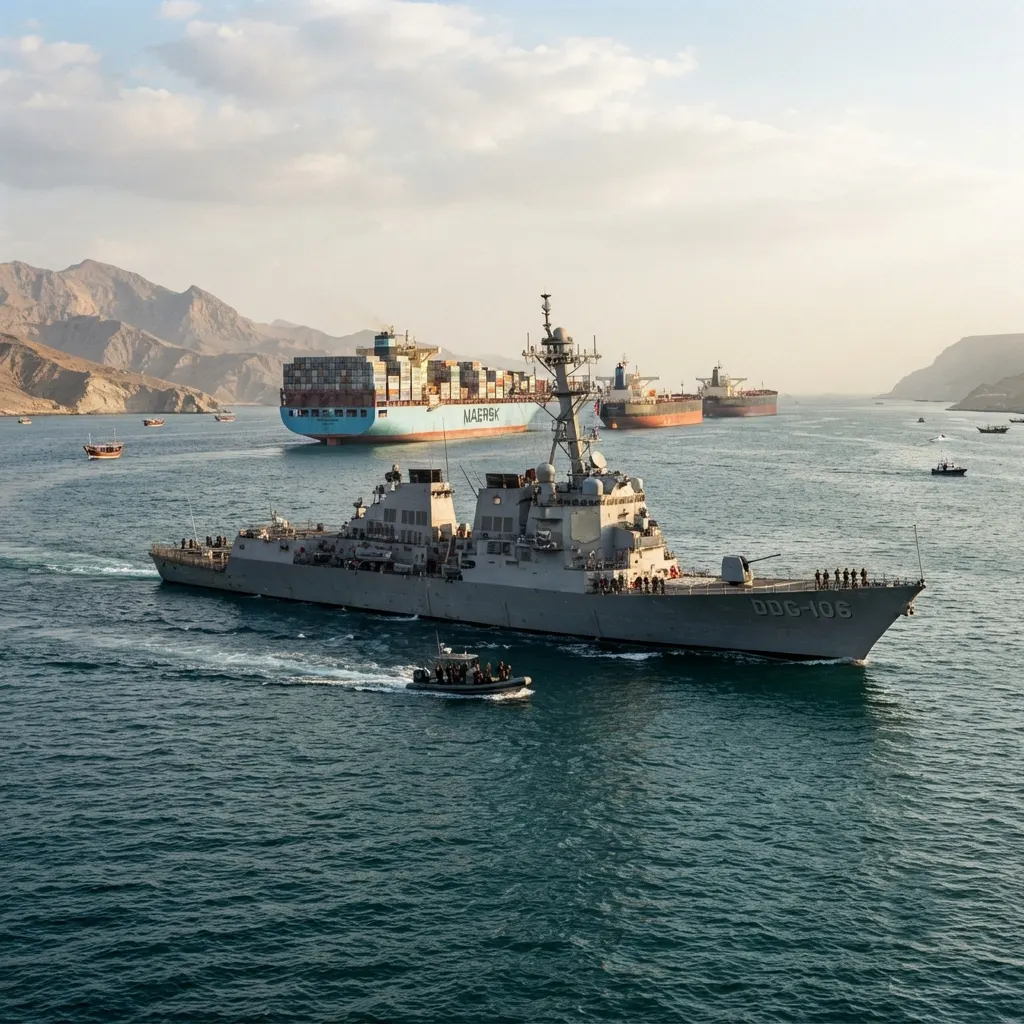
Even limited disruptions in the Strait of Hormuz can have global consequences. Delays to commercial shipping may increase transportation costs, influence insurance premiums, and contribute to higher energy prices worldwide. The International Monetary Fund (IMF) has frequently warned that geopolitical tensions affecting major trade routes can slow economic growth and increase inflationary pressures across global markets.
What Happens Next?
Military analysts believe the situation will remain fluid as diplomatic efforts continue alongside security operations. Governments are working to balance deterrence with de-escalation while ensuring commercial shipping can move safely through international waters. For businesses, investors, and consumers, developments in the Strait of Hormuz will remain an important indicator of potential impacts on energy prices, global supply chains, and broader economic stability.
#StraitOfHormuz #USMilitary #CENTCOM #MiddleEast #GlobalTrade #OilMarkets #MaritimeSecurity #Geopolitics #BreakingNews