

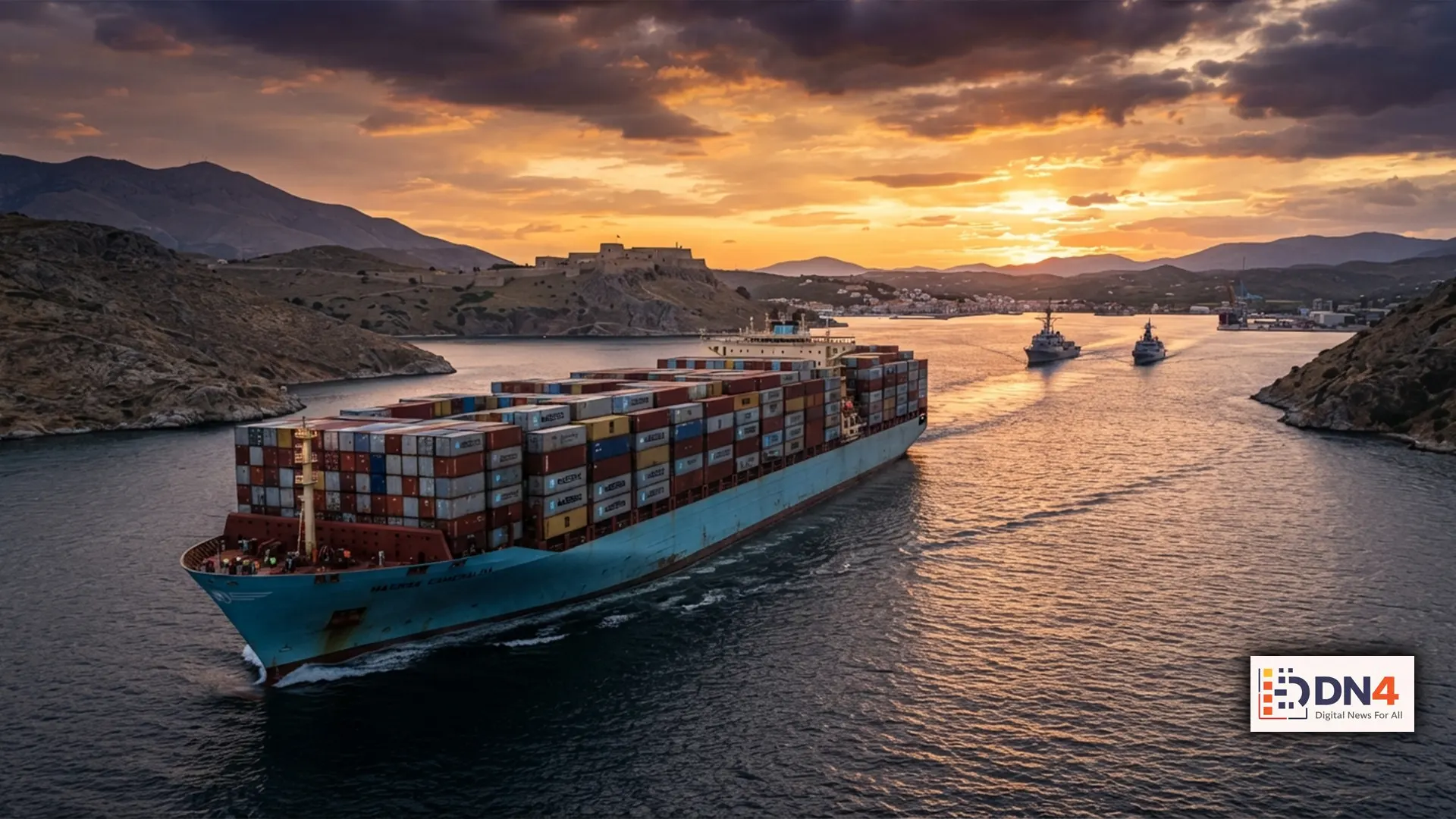
Most Americans rarely think about the thousands of cargo ships crossing the world’s oceans each day. Yet disruptions along major maritime trade routes—from armed conflicts to security threats and port congestion—can ripple through the global economy, eventually affecting prices on store shelves across the United States. While these impacts may not be immediate, higher transportation costs and delivery delays can contribute to increased prices for imported goods and manufacturing components.
Modern supply chains depend on predictable shipping schedules. When vessels are forced to reroute around conflict zones or face delays at key waterways, shipping companies often incur higher fuel, insurance, and labor costs. Those expenses may ultimately be reflected in the prices paid by businesses and consumers.
Why Global Shipping Routes Matter
About 80% of global merchandise trade by volume moves by sea, making maritime transportation essential to the world economy. The United Nations Conference on Trade and Development (UNCTAD) notes that disruptions to major shipping lanes can affect everything from consumer electronics and automobiles to food products and medical supplies.
Strategic waterways such as the Suez Canal, the Red Sea, and the Panama Canal are among the world’s busiest trade corridors. When shipping companies alter routes because of security concerns or environmental conditions, voyages become longer and more expensive.
How Freight Costs Affect Consumers
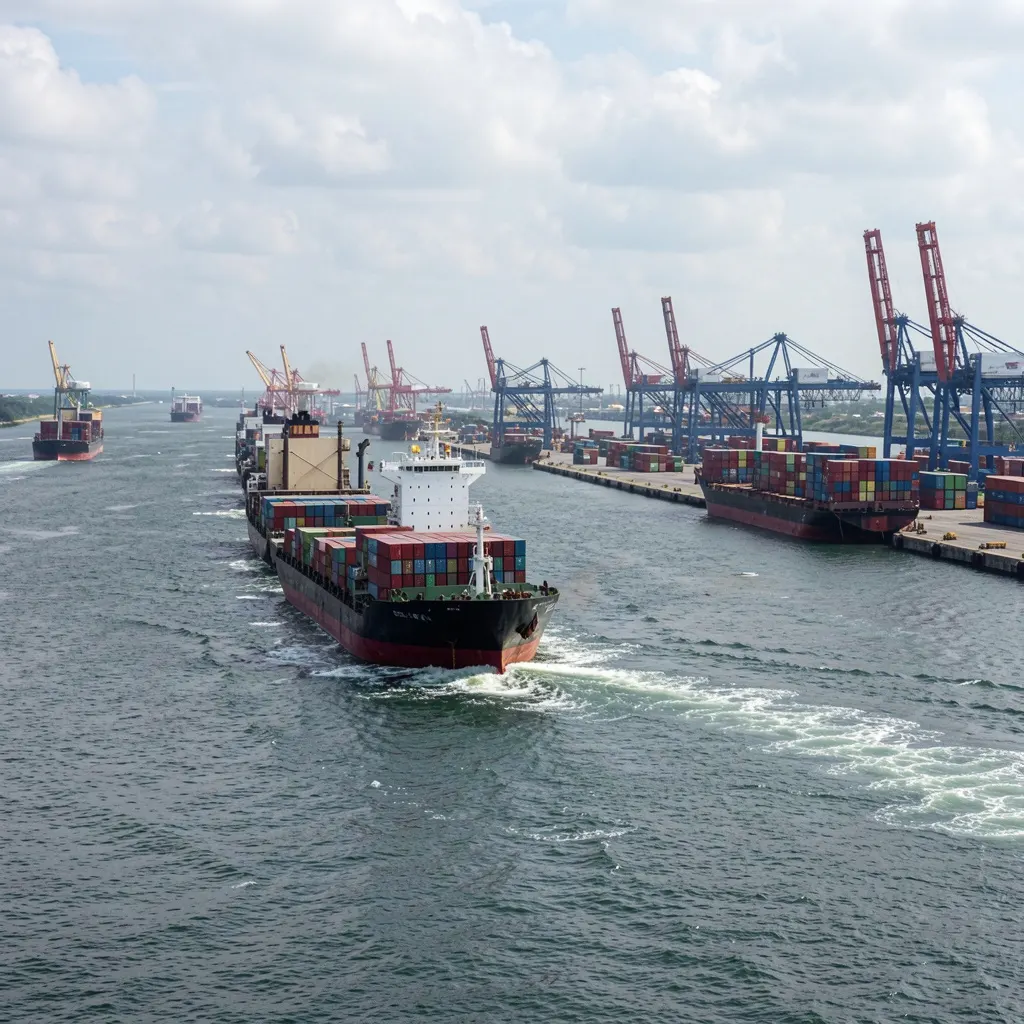
Ocean freight rates are only one part of a product’s final price, but significant increases can influence costs throughout the supply chain. According to the World Bank, higher transportation expenses may contribute to inflation by increasing the cost of imported goods and production materials.
Retailers and manufacturers often absorb part of these increases, but prolonged disruptions may eventually lead to higher prices for furniture, electronics, clothing, household goods, and other imported products.
Businesses Adapt to New Risks
Many companies are responding by diversifying suppliers, increasing inventory levels, and using alternative shipping routes when possible. Logistics experts also monitor freight markets closely through organizations such as the Freightos marketplace and shipping data from the International Maritime Organization (IMO).
These strategies can improve resilience but may also increase operating costs, particularly for businesses that rely heavily on just-in-time inventory systems.
What It Means for American Households
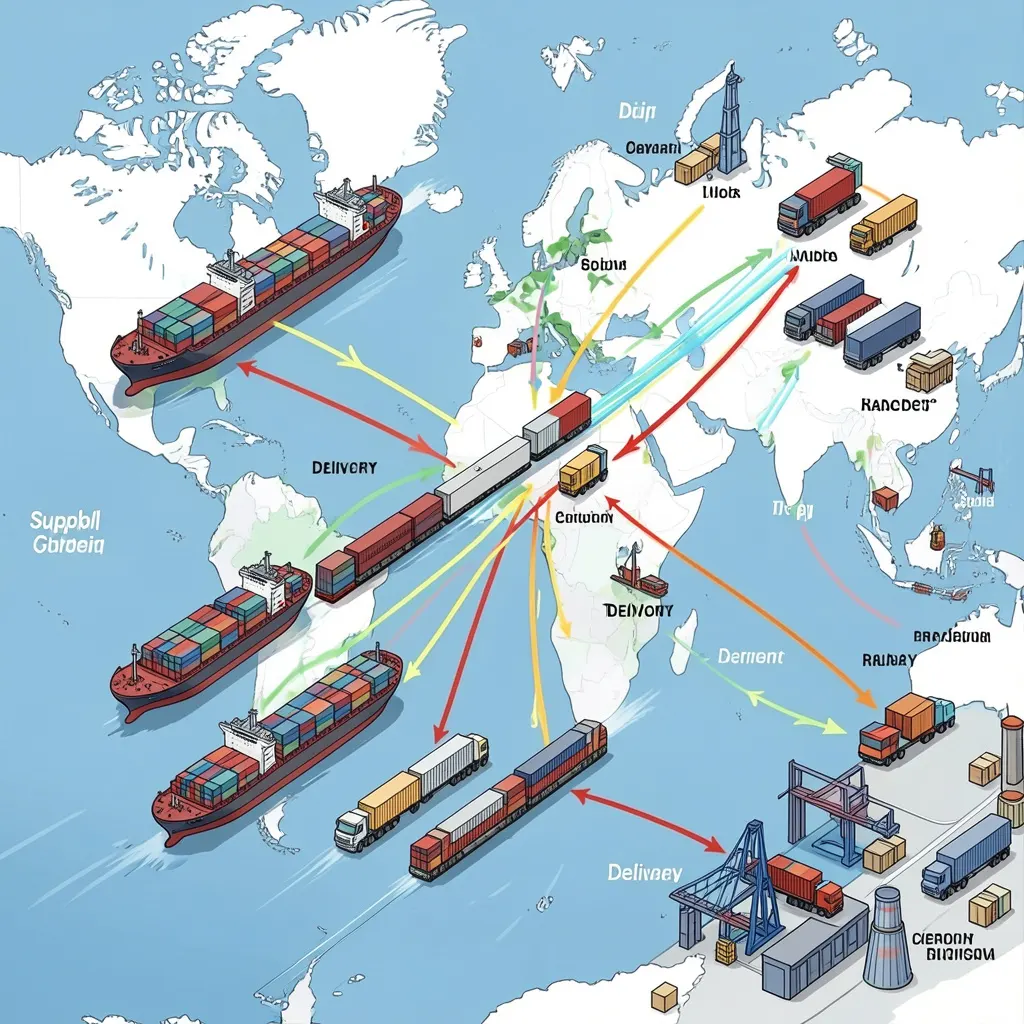
Consumers may notice the effects of shipping disruptions through longer delivery times, temporary product shortages, or modest price increases rather than sudden spikes across every category. Economists emphasize that inflation is influenced by many factors—including energy prices, labor costs, consumer demand, and monetary policy—so shipping is only one piece of a much larger economic picture.
Economic indicators published by the U.S. Bureau of Labor Statistics and trade data from the U.S. Census Bureau help analysts measure how supply chain disruptions affect prices over time.
Global shipping crises illustrate how interconnected today’s economy has become. A disruption thousands of miles away can eventually influence the cost and availability of everyday products in American stores. Businesses continue to strengthen supply chains, and governments work to protect international trade routes. Resilient logistics and diversified sourcing remain essential to minimizing future disruptions for consumers and the broader economy.
#GlobalShipping #SupplyChain #Economy #Inflation #Freight #Trade #Logistics #USEconomy #WorldNews