

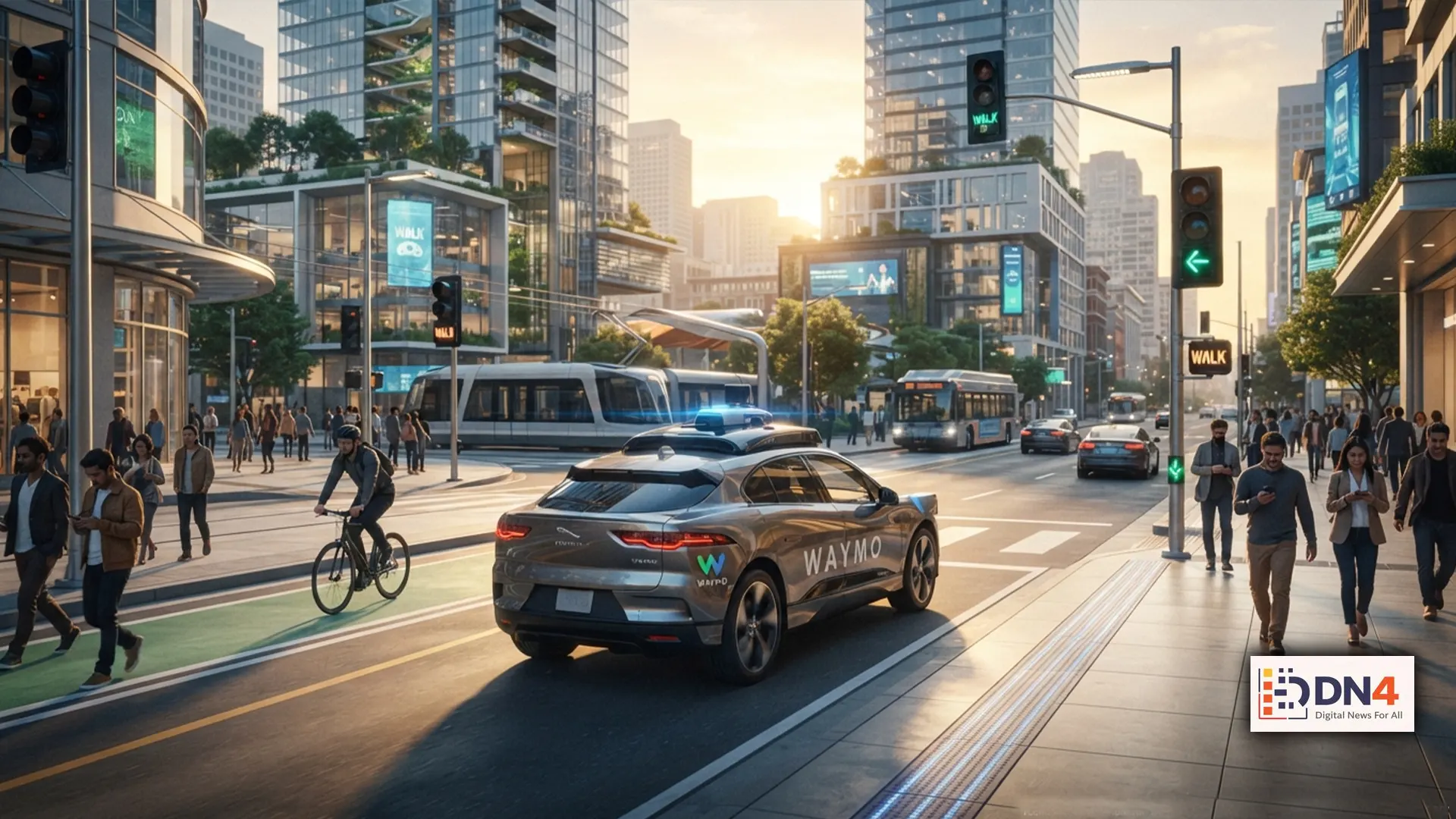
Driverless vehicles are steadily moving from experimental technology to real-world transportation. Companies such as Waymo, a subsidiary of Alphabet, have expanded autonomous ride-hailing services in several U.S. cities, sparking discussions about the future of urban mobility. Supporters believe self-driving cars could improve road safety and reduce traffic congestion, while critics argue that technical, regulatory, and ethical challenges remain before widespread adoption becomes practical.
As cities consider expanding autonomous vehicle programs, policymakers, technology companies, and residents must weigh both the opportunities and potential risks associated with replacing human drivers with artificial intelligence.
How Driverless Cars Work
Autonomous vehicles rely on a combination of cameras, radar, lidar sensors, GPS mapping, and artificial intelligence to detect roads, pedestrians, cyclists, traffic signals, and nearby vehicles. These systems continuously analyze their surroundings and make driving decisions in real time. Information about Waymo’s autonomous driving technology is available through Waymo.
Many driverless vehicles operate within carefully mapped service areas where road conditions have been extensively tested before public deployment.
Potential Benefits for Cities
Supporters argue that autonomous vehicles could reduce accidents caused by distracted, impaired, or fatigued drivers. According to the National Highway Traffic Safety Administration (NHTSA), human error contributes to the vast majority of traffic crashes, making automation an area of growing interest for improving road safety.
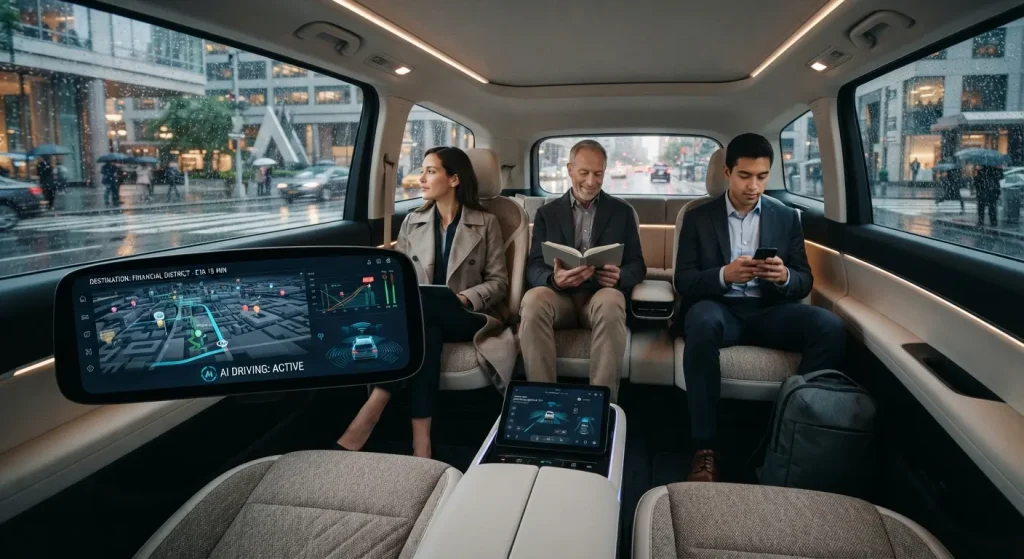
Driverless ride-hailing services may also improve mobility for older adults, people with disabilities, and residents who lack access to reliable public transportation. Cities could potentially benefit from more efficient traffic flow and lower vehicle emissions through optimized routing and electric autonomous fleets.
The Challenges Ahead
Despite technological progress, autonomous vehicles still face significant challenges. Complex urban environments include unpredictable pedestrians, construction zones, severe weather, and emergency situations that require rapid decision-making. Regulators continue evaluating how self-driving systems perform under these conditions before approving wider deployment.
Cybersecurity is another important concern. Experts emphasize the need to protect connected vehicles from digital threats while ensuring passenger privacy and system reliability. Guidance from the National Institute of Standards and Technology (NIST) supports cybersecurity best practices for emerging technologies.
Regulation and Public Trust
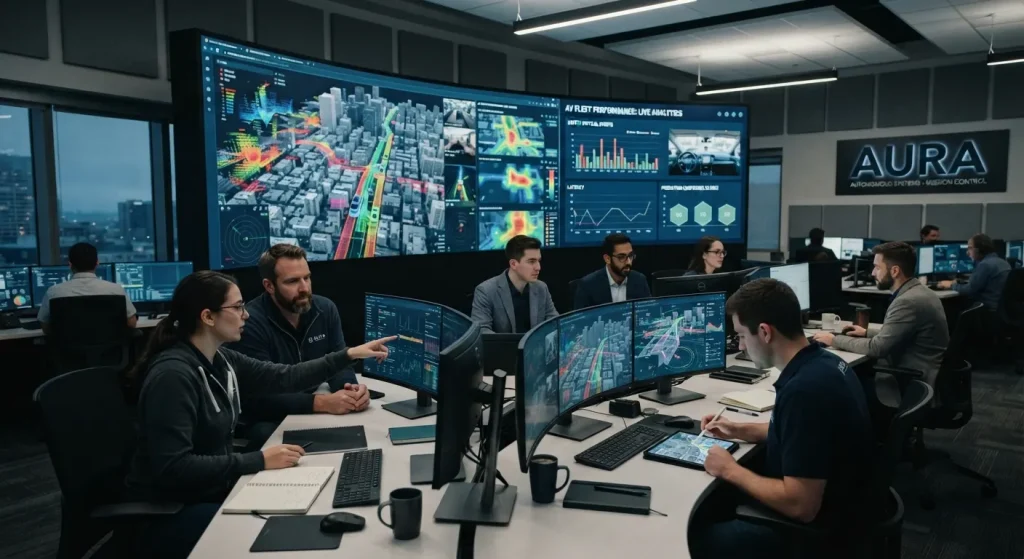
Public confidence will play a major role in determining how quickly autonomous vehicles become mainstream. Transportation agencies continue developing safety standards, testing requirements, and reporting rules to ensure driverless technology operates safely on public roads. The U.S. Department of Transportation and the NHTSA Automated Vehicles Program continue working with manufacturers to improve safety and regulatory oversight.
The Road Ahead
Autonomous vehicles have the potential to transform urban transportation, but widespread adoption will likely happen gradually. Continued advances in artificial intelligence, sensor technology, and safety testing will shape how cities integrate driverless transportation into existing road networks.
Reporting from Reuters, CNBC, and official transportation agencies suggests that while autonomous technology continues to improve, balancing innovation with public safety will remain the defining challenge for the future of driverless mobility.
#Waymo #DriverlessCars #AutonomousVehicles #SelfDriving #SmartCities #Transportation #TechNews #Innovation