

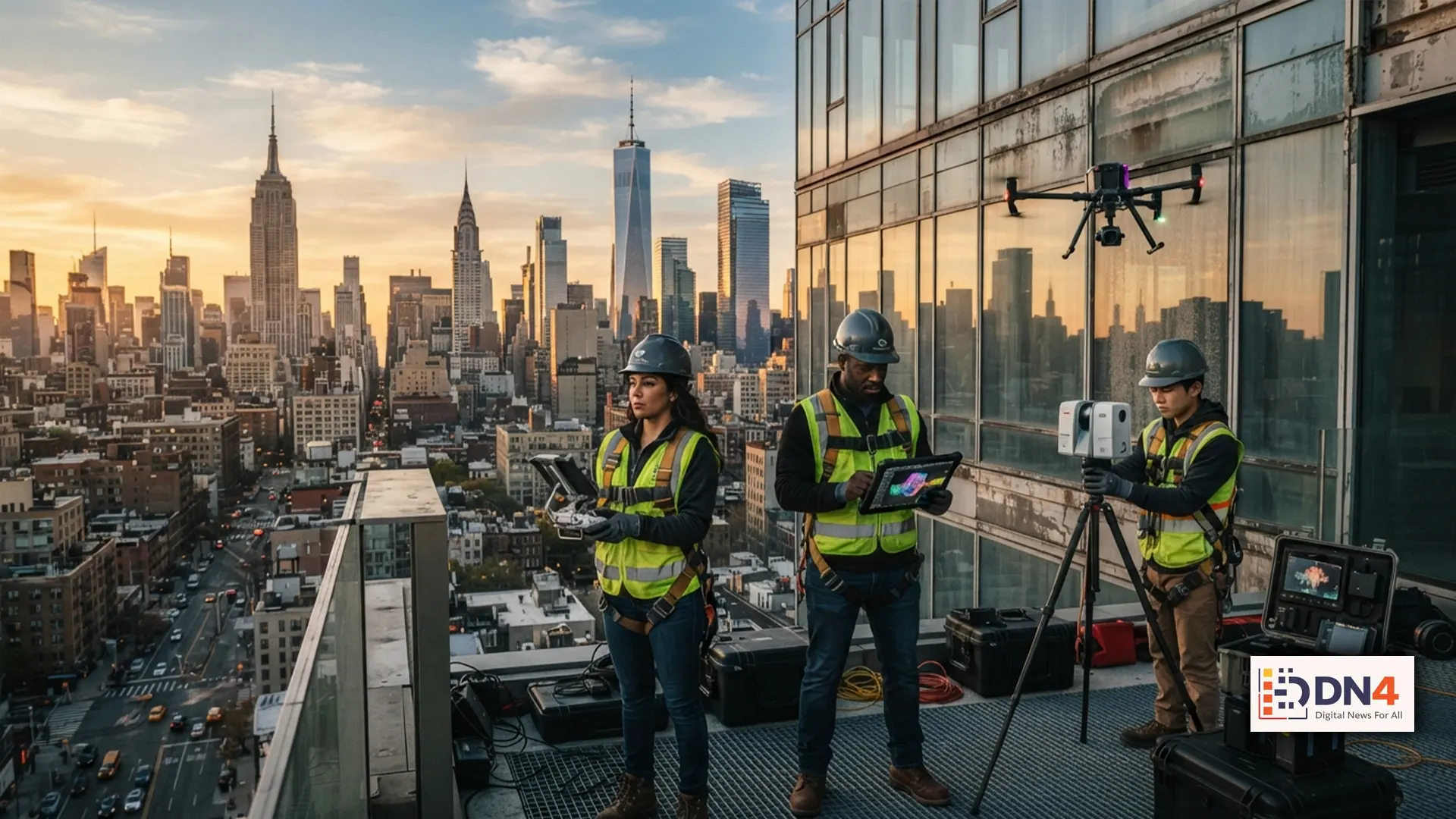
From New York City’s iconic skyline to Chicago’s towering financial district, America’s skyscrapers symbolize innovation, engineering excellence, and economic growth. Yet many of these impressive structures are now decades old. That’s prompting renewed conversations about long-term maintenance, structural resilience, and whether aging high-rises are prepared to meet the demands of the future.
Experts emphasize that age alone does not make a building unsafe. Instead, safety depends on regular inspections, preventive maintenance, modernization, and compliance with evolving engineering standards. Advances in structural monitoring technology are also helping engineers identify potential issues before they become serious risks.
Why Aging Buildings Matter
Many of America’s tallest office towers and residential high-rises were constructed between the 1950s and 1990s. While these buildings were designed for long service lives, changing weather patterns, heavier occupancy, aging materials, and modern energy requirements have increased the importance of continuous maintenance.
The American Society of Civil Engineers (ASCE) regularly highlights the importance of investing in infrastructure maintenance, while the National Institute of Standards and Technology (NIST) continues to advance research on structural performance and building resilience.
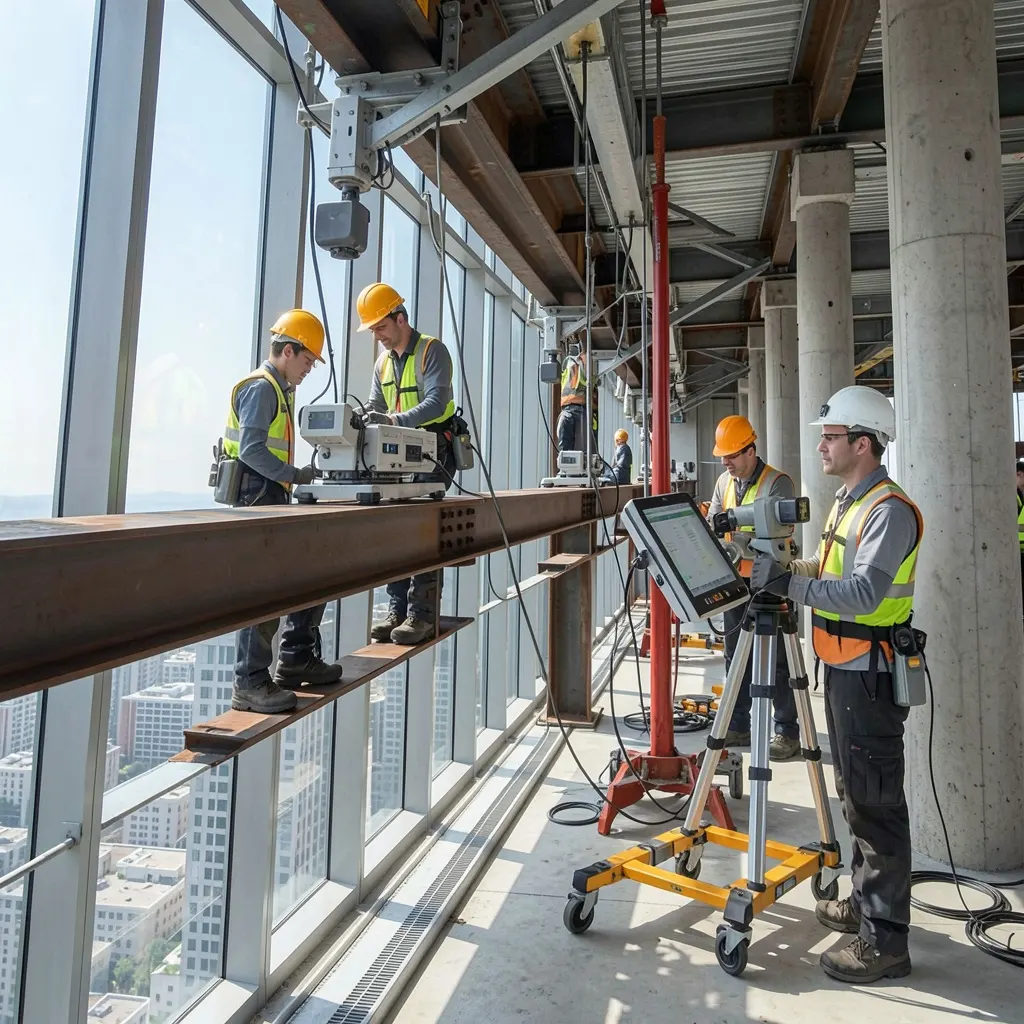
How Engineers Keep High-Rises Safe
Modern skyscrapers undergo routine inspections that evaluate structural components, façades, elevators, fire protection systems, and mechanical equipment. Many cities also require periodic exterior inspections to identify deteriorating materials before they pose hazards.
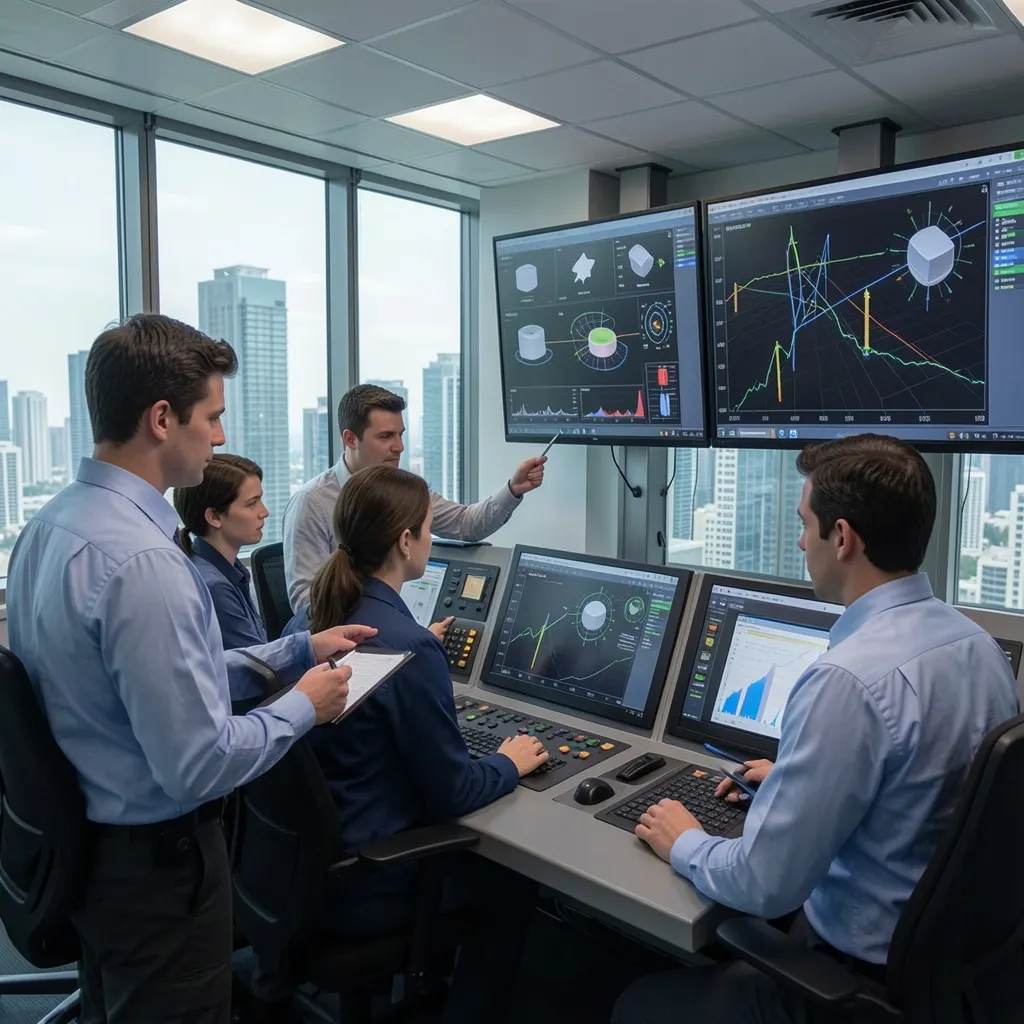
Building owners increasingly rely on digital monitoring systems, sensors, and predictive maintenance technologies to detect movement, corrosion, or unusual structural stress. Guidance from the Federal Emergency Management Agency (FEMA) and recommendations from the Occupational Safety and Health Administration (OSHA) support safe building operations and emergency preparedness.
Preparing for Tomorrow’s Challenges
Future-ready skyscrapers must withstand more than everyday wear and tear. Engineers now design and retrofit buildings to better resist severe storms, flooding, high winds, earthquakes where applicable, and other environmental stresses. Energy efficiency upgrades and smart-building technologies are also becoming essential as cities pursue sustainability goals.
Organizations such as the U.S. Green Building Council promote modern building standards that improve efficiency while supporting long-term structural performance.
What Residents and Tenants Should Know
For people living or working in high-rise buildings, routine inspections and visible maintenance are good signs. They show owners are investing in safety. Residents should learn emergency evacuation procedures, report maintenance concerns promptly, and join safety drills when available.
Information on emergency planning is available through Ready.gov, while local building departments publish inspection requirements and safety regulations for commercial and residential properties.
America’s skyscrapers remain among the world’s most sophisticated engineering achievements. While many urban high-rises are aging, ongoing inspections, technological innovation, and updated safety standards continue to strengthen their resilience. As cities grow and climate challenges evolve, investing in proactive maintenance and modern infrastructure will remain essential to ensuring these iconic buildings serve future generations safely.
#Skyscrapers #BuildingSafety #Infrastructure #Engineering #UrbanDevelopment #CityPlanning #Construction #USNews #ResilientCities