


Apple’s upcoming iOS 26.5 update is already generating intense debate across the tech world, with critics questioning whether the company is slowly shifting away from its long-standing privacy-first identity.
The controversy centers around two major issues: rumored advertising expansion inside Apple Maps and ongoing discussions surrounding RCS messaging encryption.
Together, the changes have sparked backlash from privacy advocates, regulators, and even loyal Apple users who fear the company may be moving closer to the ad-driven strategies long associated with competitors like Google Android.
Why Apple Maps Ads Are Causing Concern
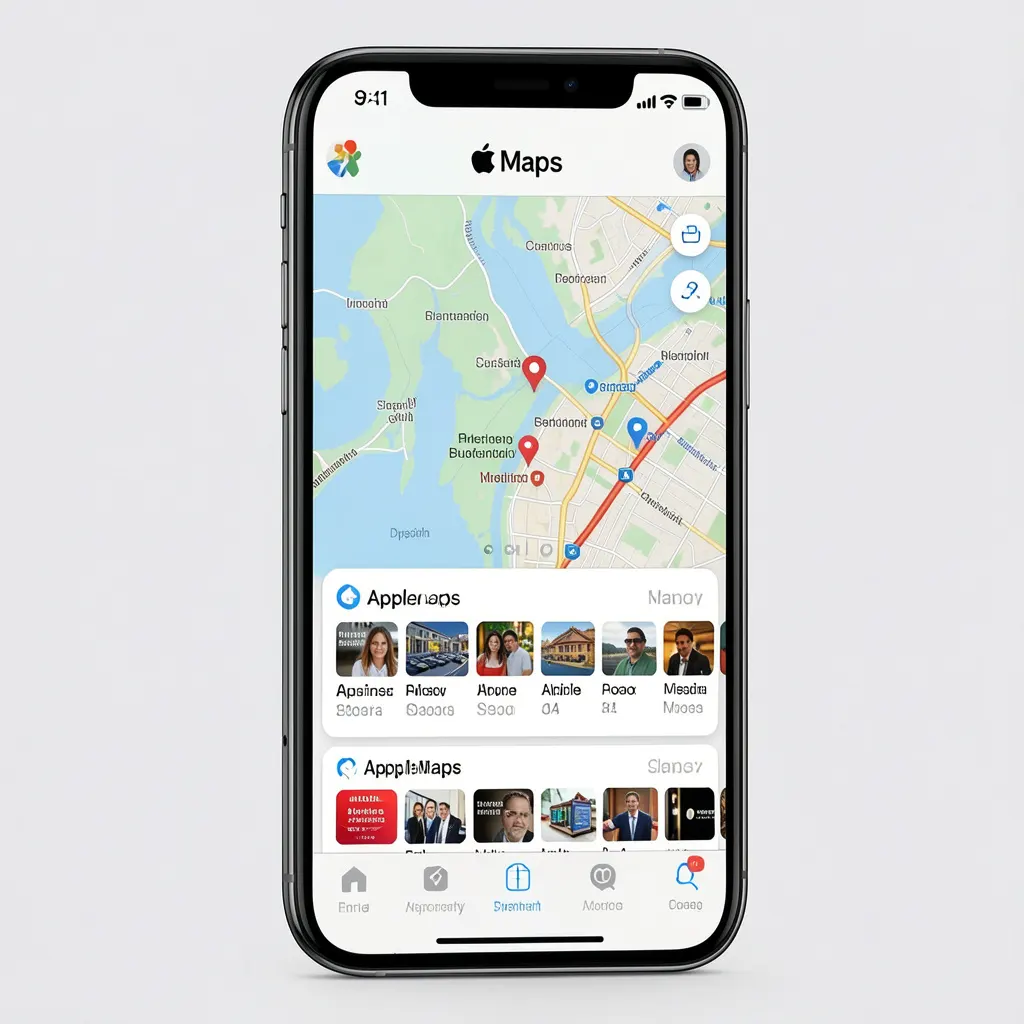
Reports suggest Apple could expand sponsored search results and business placements inside Apple Maps, potentially allowing companies to pay for greater visibility in local searches.
Supporters argue the move would create new revenue streams while helping businesses reach nearby customers more efficiently.
Critics, however, worry that introducing advertising into core navigation experiences could damage user trust and reduce the clean, distraction-free ecosystem Apple is known for.
Industry analysts say Apple’s growing services division has become increasingly important as global smartphone sales slow down.
According to Counterpoint Research, Apple continues aggressively expanding subscription and service-based revenue models across its ecosystem.
The RCS Encryption Debate
The second major controversy involves Rich Communication Services (RCS), the next-generation messaging standard designed to replace traditional SMS texting.
Apple previously confirmed support for RCS messaging compatibility, a move welcomed by users seeking better cross-platform communication between iPhones and Android devices.
However, privacy experts continue debating whether RCS implementations can truly match the end-to-end encryption standards offered by services like Signal or WhatsApp.
Digital rights organizations including the Electronic Frontier Foundation (EFF) have repeatedly emphasized the importance of strong encryption protections as governments worldwide increase surveillance and data-access demands.
Apple’s Privacy Reputation Under Pressure
For years, Apple differentiated itself by heavily promoting privacy and user security in contrast to ad-focused tech platforms.
CEO Tim Cook frequently positioned privacy as a “fundamental human right,” making the current controversy especially sensitive for the company.
Some users now fear Apple could eventually expand advertising deeper into its ecosystem, including Maps, App Store recommendations, and AI-powered services.
Meanwhile, others argue Apple still remains significantly more privacy-conscious than most major technology competitors.

Regulators Are Watching Closely
The timing of the controversy is particularly important because Apple is already facing increased scrutiny from regulators in the United States and Europe.
The European Union Digital Markets Act continues pressuring large technology platforms to open their ecosystems and improve interoperability.
At the same time, lawmakers globally are debating new rules around digital advertising transparency, messaging security, and user data protections.
Is This Apple’s Biggest Identity Shift Yet?
While iOS 26.5 may still evolve before full release, the reaction highlights a broader tension shaping the future of technology companies: balancing monetization with user trust.
For Apple, the stakes are enormous.
The company built much of its modern brand reputation around simplicity, premium experiences, and privacy leadership. Any perception that Apple is drifting toward aggressive advertising or weaker messaging protections could reshape how users view the iPhone ecosystem.
Whether iOS 26.5 becomes a temporary controversy or a turning point for Apple’s future may depend on how far the company ultimately pushes these changes.
#iOS265 #Apple #RCS #AppleMaps #iPhone #Privacy #Encryption #TechNews #DigitalPrivacy