

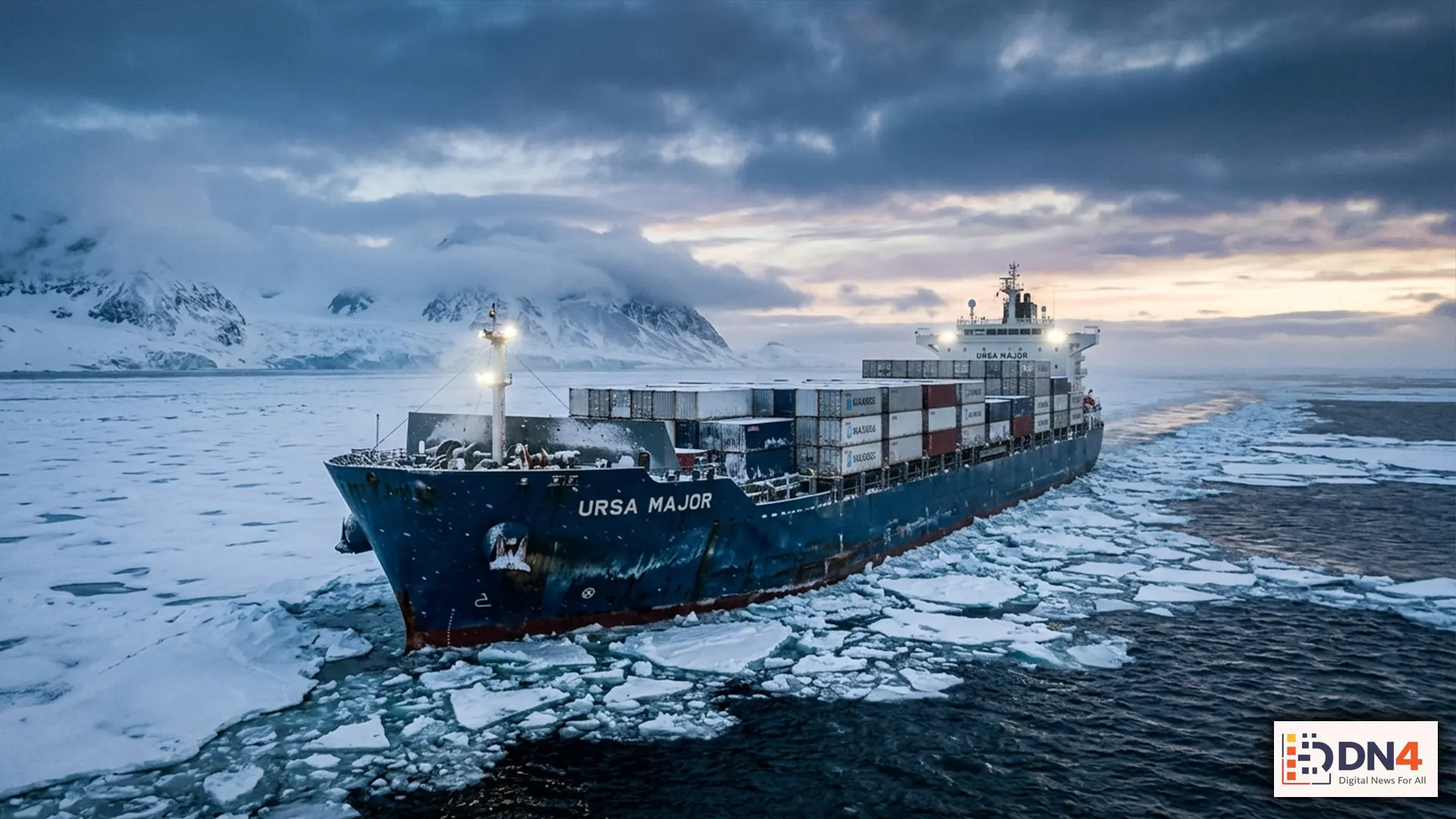
The Arctic is rapidly becoming one of the world’s most strategic trade corridors. At the center of this transformation is the massive cargo vessel known as the Ursa Major.
Melting polar ice is opening maritime pathways once thought inaccessible. Shipping companies and governments are racing to capitalize on the Northern Sea Route. The corridor could dramatically cut travel times between Asia and Europe.
In 2026, the Ursa Major has become a symbol of this new Arctic era. It represents both massive economic opportunity and rising geopolitical tension.
What Is the Northern Sea Route?
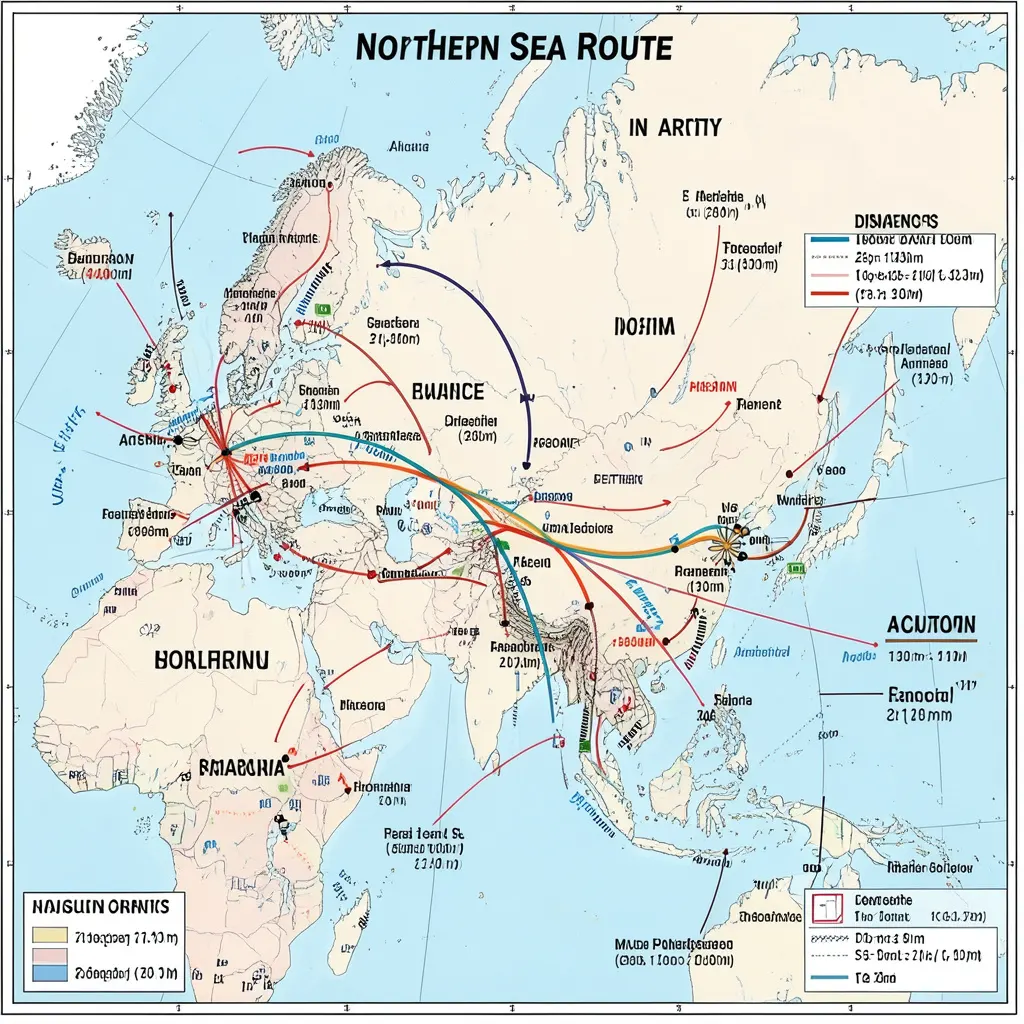
The Northern Sea Route runs along Russia’s Arctic coastline, connecting the Atlantic and Pacific Oceans through waters once blocked by permanent ice.
Compared to traditional routes like the Suez Canal, Arctic shipping can reduce transit times by thousands of miles for cargo moving between Europe and East Asia.
That efficiency has attracted growing interest from global energy firms, logistics operators, and governments seeking faster and cheaper maritime transport options.
Why the Ursa Major Matters
The Ursa Major is reportedly among the newest generation of Arctic-capable cargo ships engineered for extreme polar conditions. Equipped with reinforced hull technology and advanced navigation systems, vessels like this are designed to operate in icy waters that would challenge conventional cargo fleets.
Russia has heavily invested in Arctic infrastructure, including ports, icebreakers, and shipping corridors, while positioning the Northern Route as a critical global trade artery.
Organizations such as the Arctic Council and international maritime analysts continue monitoring the rapid expansion of commercial activity across the region.
The Economic Stakes Are Massive
The Arctic trade boom could reshape international shipping economics in several ways:
- Faster Asia-Europe cargo delivery
- Reduced fuel consumption
- Lower shipping costs
- Expanded access to Arctic natural resources
- New strategic trade hubs
Energy companies are especially interested because the Arctic contains enormous untapped reserves of oil, natural gas, and critical minerals.
According to research highlighted by the International Energy Agency (IEA), Arctic energy logistics could become increasingly important as global demand shifts and supply chains diversify.
Environmental and Geopolitical Concerns
Despite the economic optimism, critics warn that expanding Arctic shipping carries serious environmental and geopolitical risks.
Climate scientists continue raising concerns about accelerated ice melt, fragile ecosystems, and pollution risks linked to increased industrial activity in polar regions.
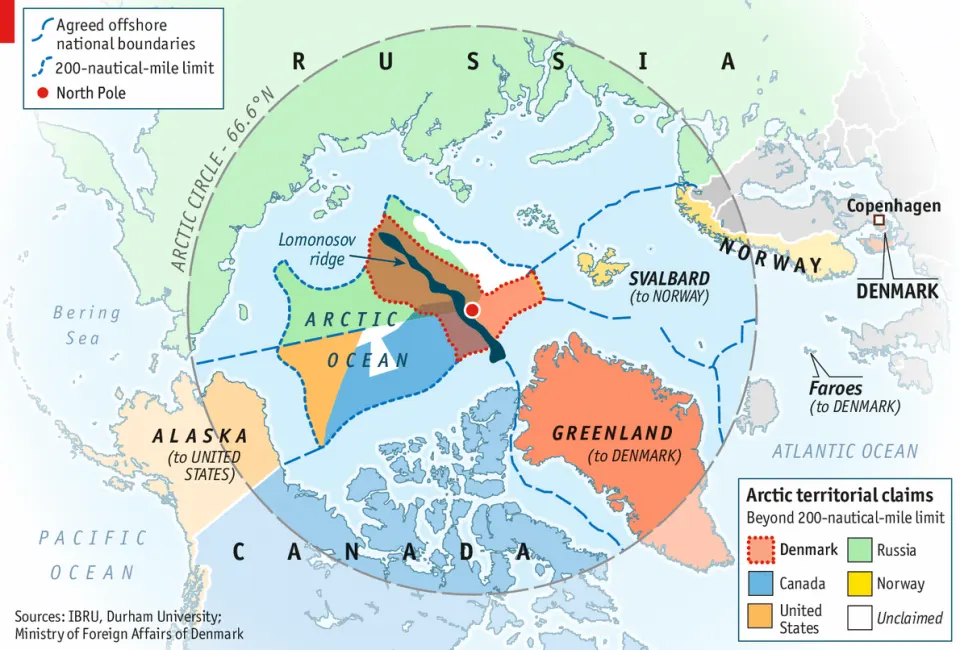
Meanwhile, tensions between NATO countries, Russia, and China have intensified competition over Arctic influence and resource access.
The United Nations and international maritime organizations are facing growing pressure to establish clearer regulations governing Arctic shipping lanes and territorial claims.
The Future of Global Shipping?
Many analysts believe Arctic shipping could become one of the defining economic and geopolitical stories of the next decade.
As climate change reshapes global geography, trade patterns that once seemed impossible are becoming commercially viable realities.
The Ursa Major is more than a cargo ship. It represents a new phase where technology, climate, and geopolitics collide in one of Earth’s harshest environments.
The Northern Sea Route could become the future of world trade — or a source of serious conflict. Much depends on how nations manage the Arctic transformation unfolding right now.
#ArcticTrade #NorthernSeaRoute #UrsaMajor #GlobalShipping #MaritimeNews #ArcticEconomy #TradeRoutes #Geopolitics #ClimateChange