

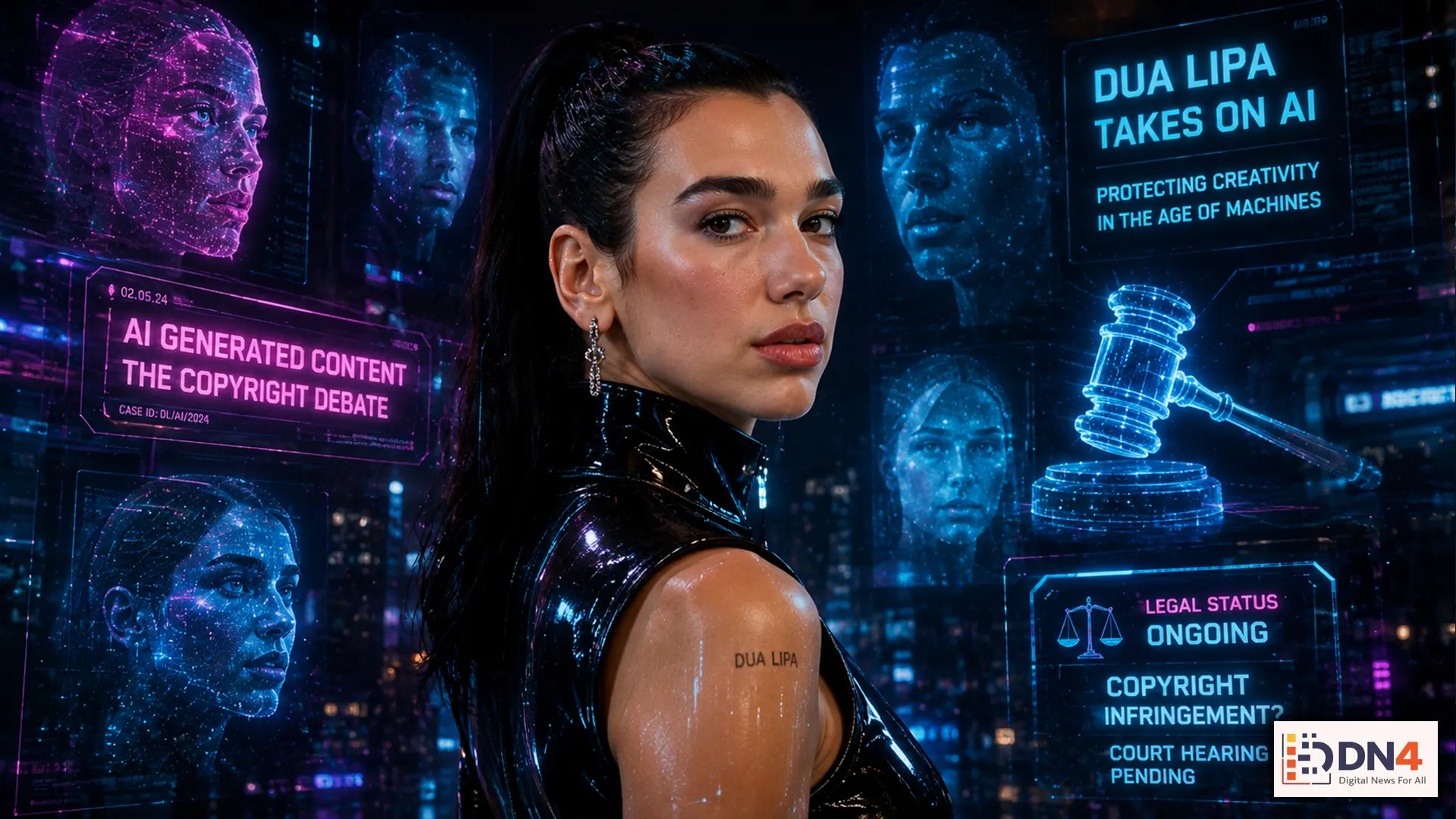
The growing collision between artificial intelligence and celebrity rights may have reached a turning point after reports emerged that global pop superstar Dua Lipa is taking legal action against Samsung over alleged unauthorized AI-generated use of her likeness.
While details surrounding the case are still developing, the controversy has already ignited a much larger global debate: Who actually owns your digital face in the age of AI?
As artificial intelligence tools become capable of creating hyper-realistic images, videos, and voice clones, legal experts warn society may be entering one of the most important identity-rights battles of the digital era.
The Rise of AI-Generated Celebrities
Modern AI systems can now generate realistic human faces, mimic voices, and recreate celebrity appearances with astonishing accuracy.
Platforms powered by generative AI have dramatically accelerated the spread of so-called “deepfake” content — synthetic media designed to imitate real people.
Organizations like OpenAI and major technology companies continue developing advanced AI models capable of producing increasingly realistic digital content.
At the same time, entertainment figures and legal experts are becoming deeply concerned about how these technologies could be used without consent.
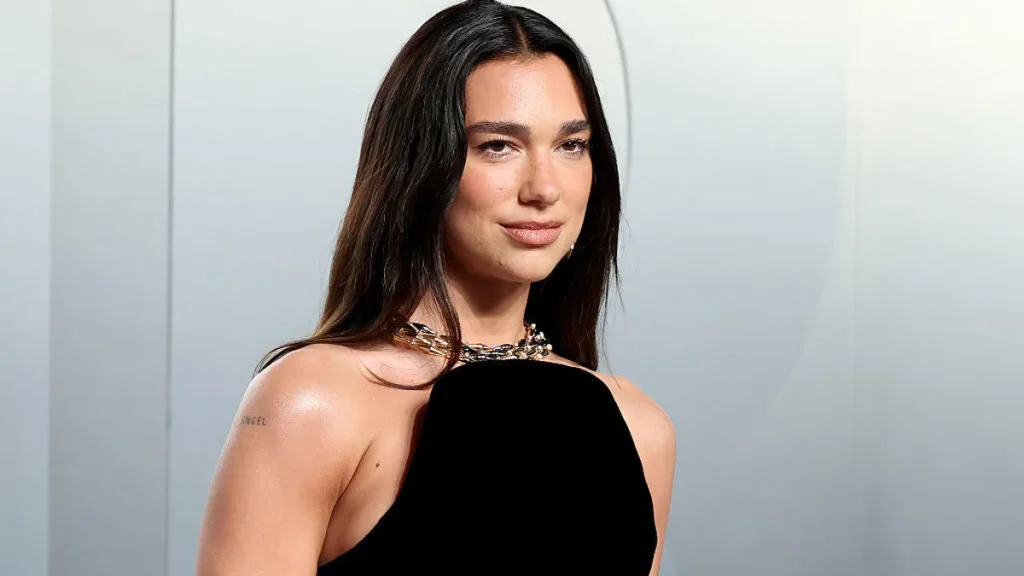
Why the Samsung Controversy Matters
The alleged dispute involving Samsung goes far beyond celebrity branding.
Legal analysts say the case could influence future global standards involving:
- AI-generated likeness rights
- Deepfake regulation
- Digital identity ownership
- Commercial use of facial data
- Consent in AI-generated advertising
In recent years, lawmakers worldwide have struggled to keep pace with rapidly evolving artificial intelligence technologies.
The Electronic Frontier Foundation (EFF) and digital rights advocates have repeatedly warned about the ethical and legal risks surrounding biometric data and synthetic media.
The Legal Gray Area Around AI Faces
Current laws regarding digital likeness rights vary dramatically depending on the country and jurisdiction.
In the United States, certain “right of publicity” protections allow individuals — especially celebrities — to control commercial uses of their image and identity.
However, AI-generated media creates entirely new legal challenges because algorithms can generate realistic content without directly copying original photos or videos.
Experts at institutions like the Brookings Institution say courts worldwide may soon face landmark decisions defining ownership of digital identity itself.
Could This Affect Ordinary People Too?
While celebrity lawsuits attract headlines, privacy advocates say the larger issue affects everyone.
AI tools are increasingly capable of generating fake profiles, cloned voices, manipulated videos, and synthetic identities using publicly available social media content.
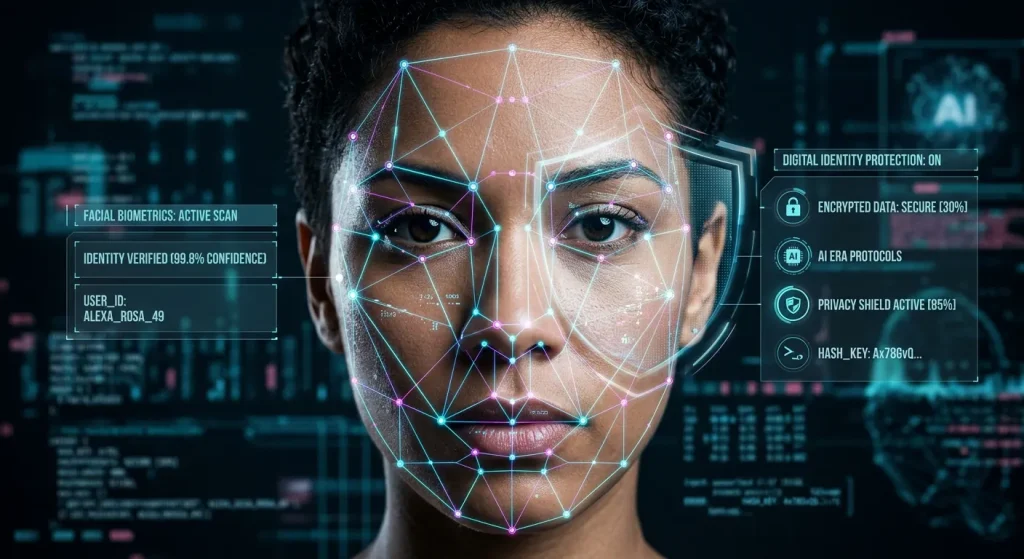
Cybersecurity experts warn this could lead to:
- Identity fraud
- Political misinformation
- Unauthorized advertising
- Digital impersonation scams
- Manipulated social media content
The World Economic Forum has repeatedly identified AI-generated misinformation and synthetic media as emerging global risks.
The Entertainment Industry Pushback
Hollywood, music labels, and talent agencies are already pushing for stronger protections against unauthorized AI replication.
Actors, musicians, and creators face a troubling future. Their faces, voices, and performances could be digitally reproduced indefinitely — without permission or compensation.
Recent labor disputes involving entertainment unions highlighted growing anxiety around AI replacing or replicating human performers.
As AI technology advances, the fight over digital likeness rights may become one of the defining legal battles of the decade.
The Dua Lipa-Samsung controversy is no longer just about one celebrity — it’s about whether individuals will retain ownership over their identity in a world increasingly controlled by artificial intelligence.
#DuaLipa #Samsung #AI #Deepfake #ArtificialIntelligence #DigitalRights #Privacy #TechNews #CelebrityNews