

 By Vinod Ram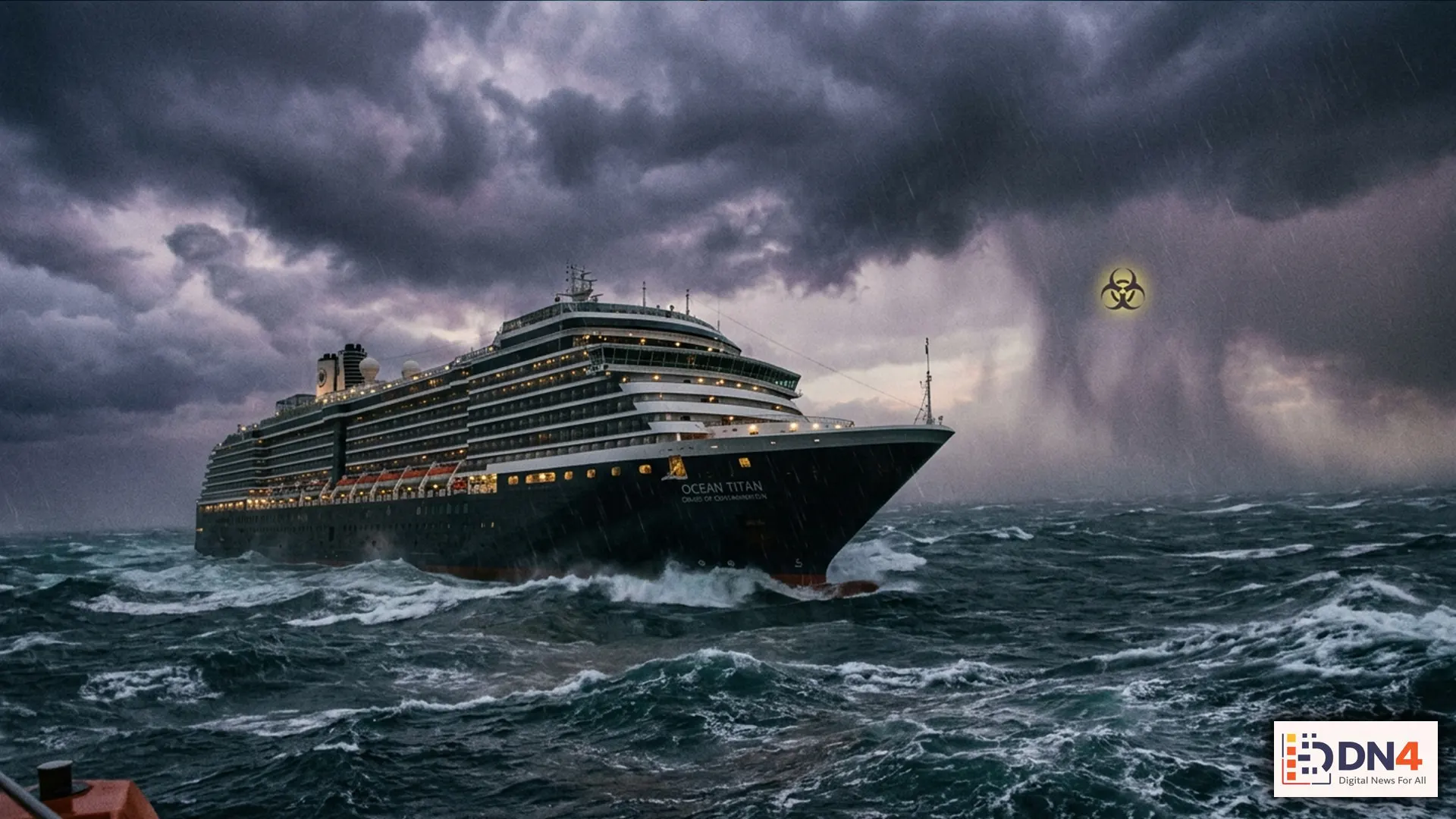
The global cruise industry is facing renewed scrutiny after growing online discussions surrounding a possible 2026 cruise ship hantavirus alert. Social media speculation, travel advisories, and rising health concerns have left many travelers wondering whether cruise vacations remain safe.
While there is currently no evidence of a widespread hantavirus outbreak aboard international cruise ships, public health experts say increased awareness around infectious diseases is understandable following recent global health crises.
The issue has triggered concern across major travel markets including the United States, Europe, Australia, and parts of Asia, where cruise tourism continues experiencing strong post-pandemic recovery.
What Is Hantavirus?
According to the Centers for Disease Control and Prevention (CDC), hantaviruses are a family of viruses primarily spread through contact with infected rodents, especially through droppings, saliva, or urine particles in the air.
Some strains can cause serious respiratory illnesses such as Hantavirus Pulmonary Syndrome (HPS), which may become life-threatening if untreated.
The World Health Organization (WHO) notes that hantavirus transmission between humans is extremely rare in most cases, depending on the specific virus strain involved.

Why Are Cruise Ships Being Mentioned?
The recent attention appears linked to broader concerns about disease transmission in enclosed travel environments. Cruise ships, airports, and large tourist resorts often become part of public discussions whenever infectious disease fears emerge.
Health analysts say misinformation circulating on social platforms has amplified fears surrounding cruise travel in 2026.
Major cruise companies including Carnival Cruise Line, Royal Caribbean, and Norwegian Cruise Line continue maintaining strict sanitation and onboard health monitoring systems developed after the COVID-19 pandemic.
Industry experts emphasize that modern cruise operators now operate with significantly enhanced biosecurity measures compared to previous decades.
How Serious Is the Risk?
At present, there is no confirmed evidence suggesting a large-scale hantavirus outbreak connected specifically to cruise ships in 2026.
Medical researchers explain that hantavirus exposure is generally more associated with environments involving rodent infestations, poorly ventilated rural structures, or contaminated wilderness areas.
Organizations such as the Mayo Clinic stress that prevention largely depends on sanitation, rodent control, and avoiding exposure to contaminated environments.
The Cruise Industry’s Response
The cruise sector remains highly sensitive to health-related headlines because public confidence directly affects bookings and tourism demand.
Travel industry groups and operators are expected to closely monitor any emerging health advisories while continuing investments in:
- Enhanced cleaning protocols
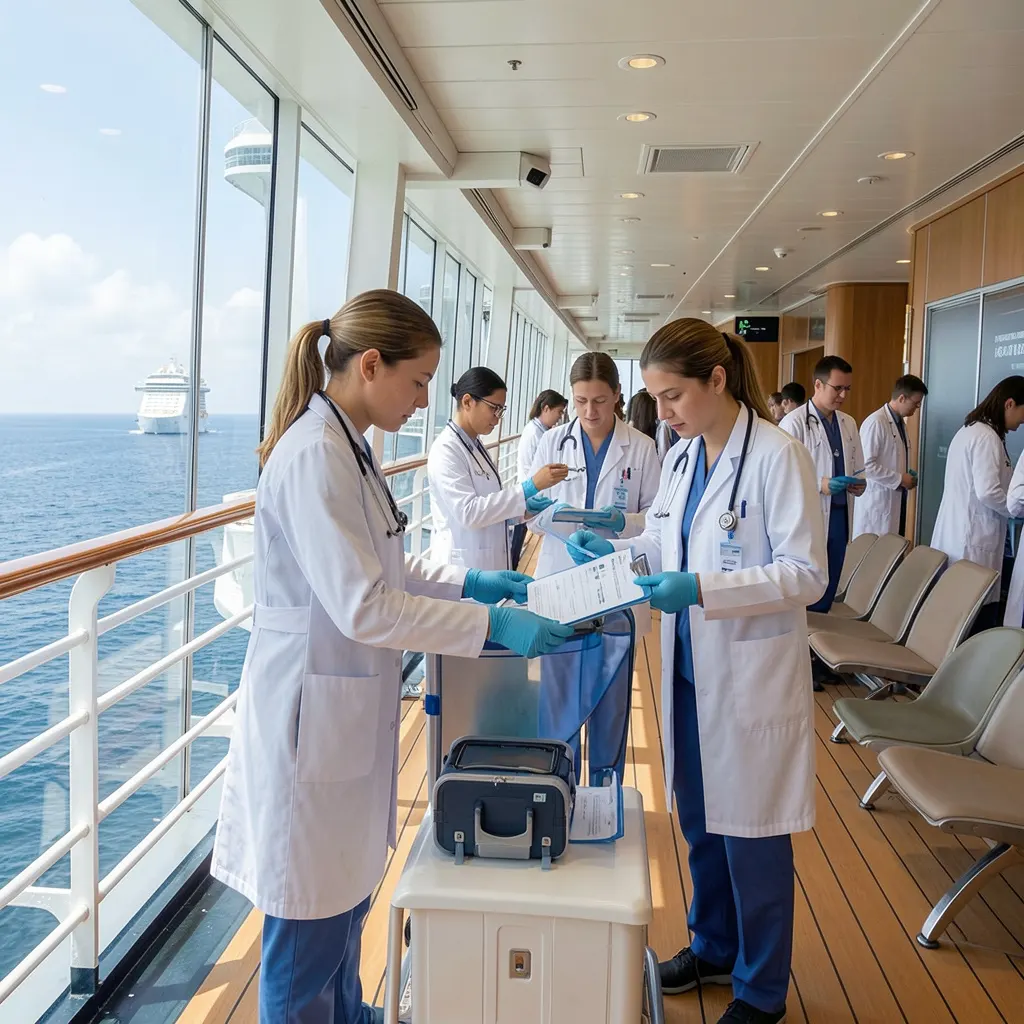
- Medical screening systems
- Advanced onboard ventilation technology
- Rapid outbreak response teams
- Passenger health awareness programs
The Cruise Lines International Association (CLIA) has repeatedly highlighted the industry’s upgraded health standards in recent years.
Should Travelers Be Concerned?
Experts recommend travelers rely on verified information from official public health agencies rather than social media rumors.
For most passengers, cruise vacations remain statistically safe when standard hygiene practices and travel advisories are followed.
Still, the growing conversation around the 2026 hantavirus alert reflects a larger shift in traveler behavior: people are now far more aware of health risks while traveling internationally.
As cruise tourism continues booming globally, transparency, public health preparedness, and accurate information may matter more than ever.
#CruiseShip #Hantavirus #TravelNews #CruiseSafety #HealthAlert #TravelHealth #CruiseVacation #PublicHealth #BreakingNews