

 By Vinod Ram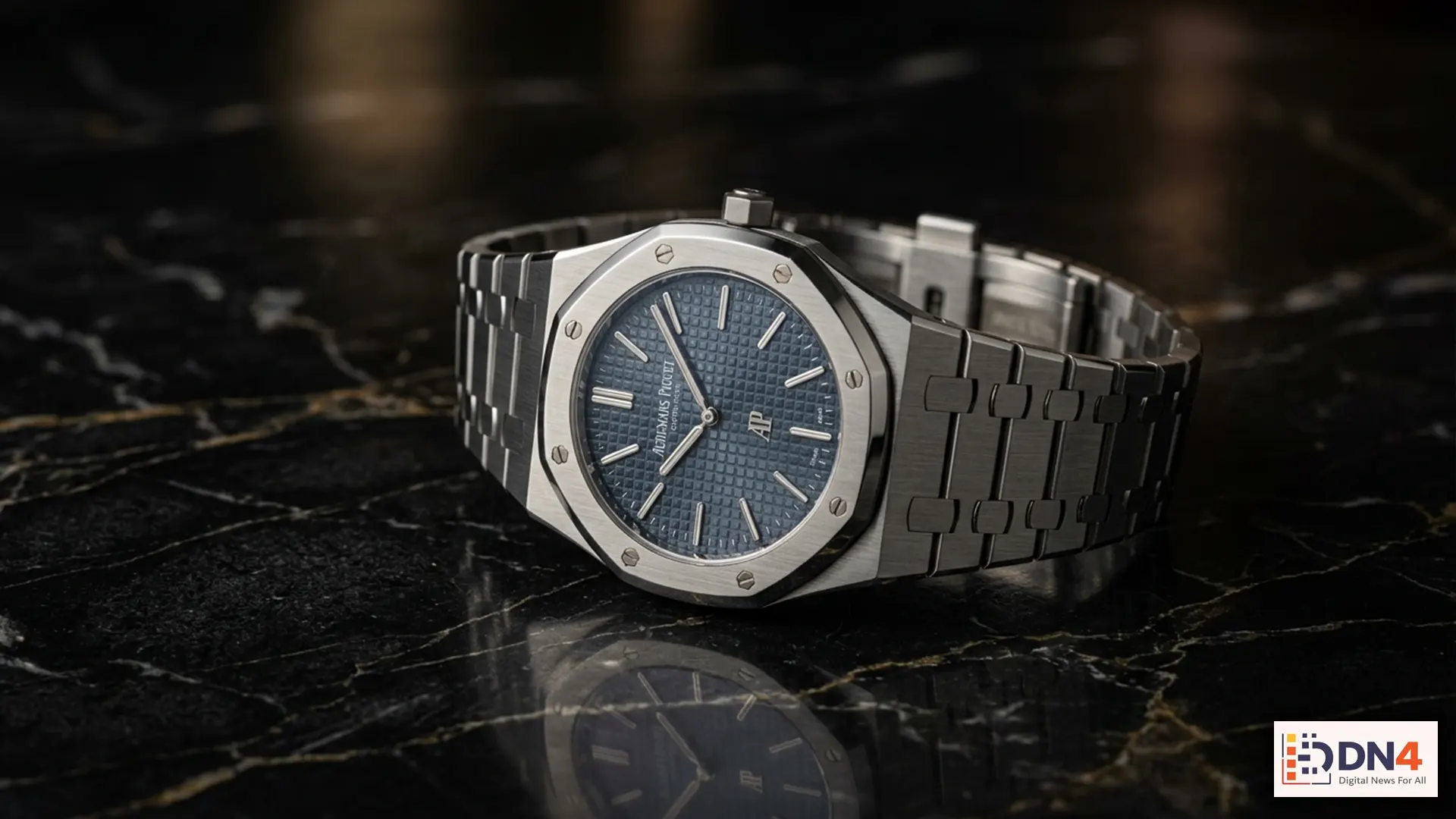
Luxury watch collectors worldwide are once again reacting to another major Audemars Piguet price increase. The Swiss watchmaker’s anticipated 2026 price hike is expected to push flagship Royal Oak models even further into elite investment territory — but surprisingly, demand continues to rise.
In a global luxury market filled with uncertainty, inflation concerns, and volatile asset classes, the Audemars Piguet Royal Oak has maintained an almost unmatched reputation for price stability and long-term appreciation.
Collectors, investors, and high-net-worth buyers increasingly view premium watches not just as accessories, but as alternative assets comparable to art, vintage cars, and even real estate.
Why Audemars Piguet Keeps Raising Prices
The 2026 price adjustment reflects several ongoing trends across the luxury watch industry:
- Rising production costs in Switzerland
- Growing demand from global collectors
- Limited annual production volumes
- Currency fluctuations and inflation
- Expansion of boutique-only distribution models
Like competitors such as Rolex and Patek Philippe, Audemars Piguet has strategically embraced exclusivity.
The result? Retail prices continue climbing while secondary market demand remains remarkably resilient.

The Royal Oak: A Luxury Asset That Defies Volatility
Originally designed by legendary watch designer Gérald Genta, the Royal Oak changed luxury sports watches forever when it debuted in 1972.
Today, the Royal Oak remains one of the most recognizable luxury timepieces on earth. Stainless steel models often trade above retail prices immediately after purchase, while rare references command extraordinary premiums at auction houses like Sotheby’s.
Even during broader economic slowdowns, Royal Oak values have proven significantly more stable than many speculative investments.
Scarcity Is Driving Everything
One of the biggest reasons behind the Royal Oak’s price resilience is simple: supply remains extremely limited.
Audemars Piguet intentionally produces far fewer watches annually compared to mass luxury brands. Boutique allocations are tightly controlled, waiting lists remain long, and some highly desirable references are nearly impossible to obtain at retail.
This scarcity creates a powerful psychological and financial effect:
- Collectors rush to secure allocations
- Secondary market premiums remain elevated
- Resale confidence stays high
- Long-term desirability increases
Luxury Watches as Alternative Investments
The luxury watch market has evolved dramatically over the past decade. Investors increasingly diversify into collectible assets including rare watches, fine art, whisky, and classic automobiles.
Platforms like Chrono24 and global auction houses have made luxury watch pricing more transparent than ever before.
For many buyers, the Royal Oak represents a rare combination of:
- Prestige and brand recognition
- Limited supply
- Strong historical value retention
- Global collector demand
- Wearable luxury with investment upside
Will Prices Continue Rising?
Most analysts believe Audemars Piguet’s long-term strategy will continue prioritizing exclusivity over volume growth. That means future price increases are likely inevitable.
As wealth concentration grows globally — especially in the United States, Middle East, Singapore, and parts of Europe — ultra-luxury collectible markets continue attracting new buyers.
While no investment is completely risk-free, the Royal Oak’s historical performance suggests it remains one of the most stable luxury assets available today.
For collectors, the 2026 price hike may not be a warning sign — it may simply confirm the Royal Oak’s status as modern horological gold.
#AudemarsPiguet #RoyalOak #LuxuryWatches #WatchCollector #SwissWatch #LuxuryLifestyle #WatchInvestment #Horology #Wealth