

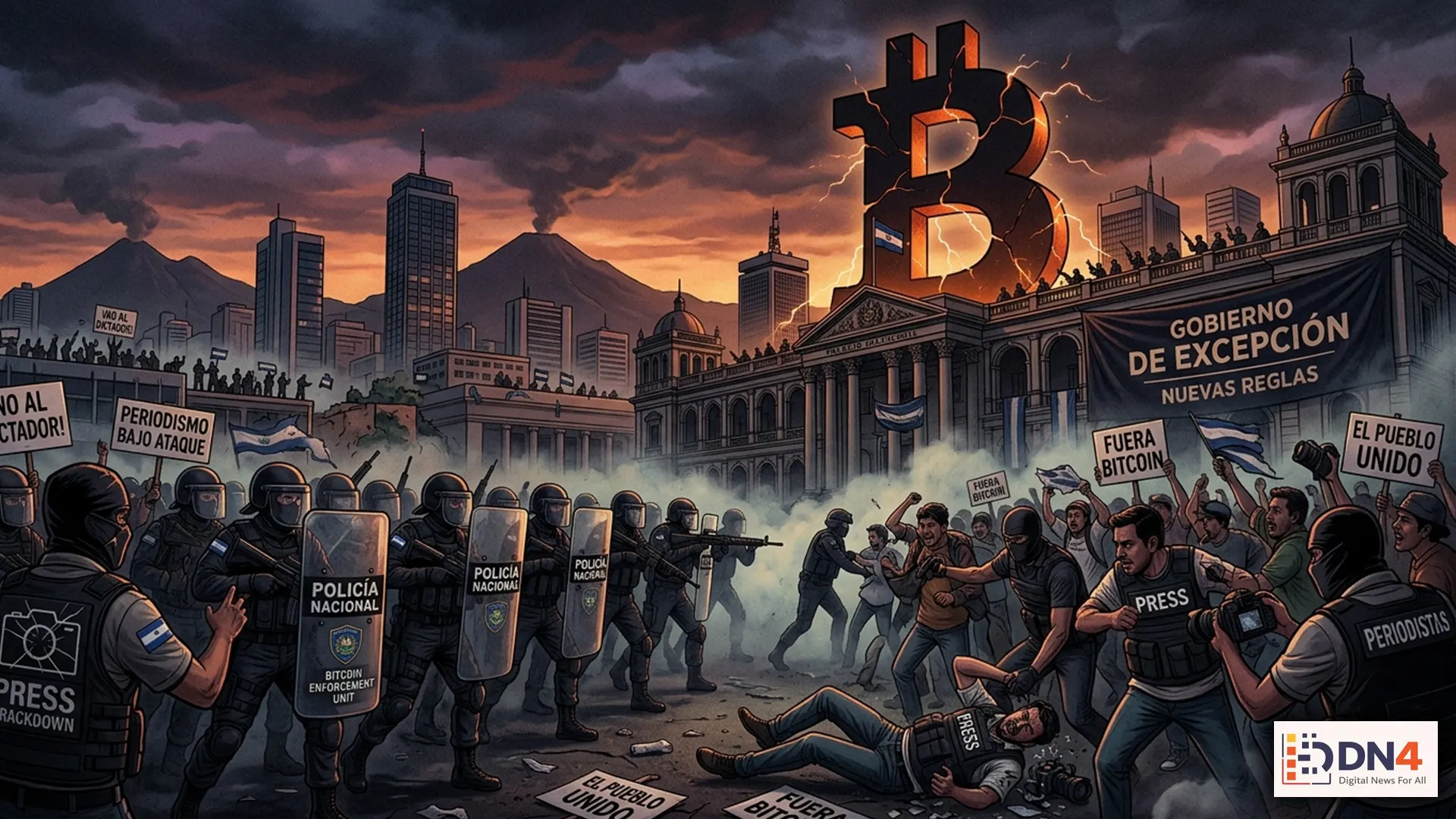
El Salvador’s global image as the world’s most Bitcoin-friendly nation is facing renewed controversy after reports emerged that local news outlets and journalists connected to government criticism have allegedly had financial assets frozen.
The development has intensified international concerns about press freedom, political transparency, and the growing concentration of power under President Nayib Bukele.
Since becoming the first country to adopt Bitcoin as legal tender in 2021, El Salvador has attracted global attention from cryptocurrency investors, libertarian communities, and financial technology advocates.
However, critics now warn that the country’s crypto revolution may also be unfolding alongside increasing pressure on independent media and political opposition.
What Happened?
According to multiple reports and regional observers, financial restrictions and asset freezes have reportedly affected organizations and individuals connected to investigative journalism and government criticism.
While Salvadoran authorities argue certain investigations relate to financial compliance and anti-corruption efforts, press freedom groups claim the actions could represent political retaliation.
Organizations such as the Committee to Protect Journalists (CPJ) and Reporters Without Borders have increasingly raised concerns about media conditions in El Salvador over the past several years.

The Bukele Bitcoin Revolution
President Bukele transformed El Salvador into a global crypto experiment by officially recognizing Bitcoin as legal currency alongside the U.S. dollar.
The government launched initiatives including:
- Bitcoin-backed financial projects
- Crypto investment incentives
- State-sponsored Bitcoin purchases
- Plans for “Bitcoin City”
- Digital wallet adoption programs
Bukele’s supporters argue these policies modernized El Salvador’s economy, expanded financial inclusion, and positioned the country as a technology innovation hub.
Major crypto platforms such as Coinbase and industry analysts closely monitored the country’s Bitcoin experiment as a potential model for future digital economies.
Why Critics Are Alarmed
Despite economic optimism from some investors, human rights organizations and democracy watchdogs have repeatedly expressed concerns over democratic backsliding in El Salvador.
Critics accuse the administration of:
- Weakening judicial independence
- Expanding executive power
- Pressuring independent journalists
- Increasing surveillance capabilities
- Reducing government transparency
The Freedom House democracy index and international policy observers have highlighted growing tensions between security-focused governance and civil liberties in the country.
The Global Crypto Community Is Divided
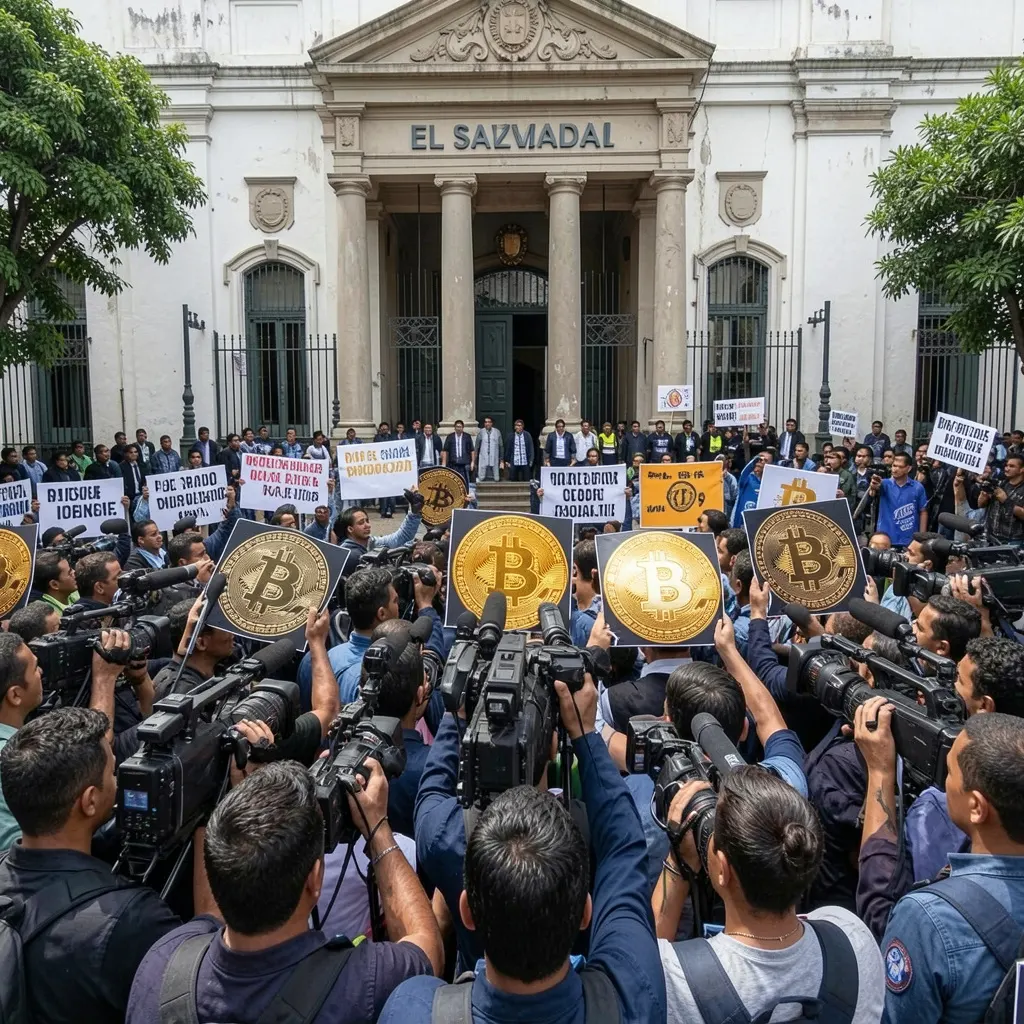
The situation has created deep divisions within the cryptocurrency world.
Some Bitcoin supporters continue praising Bukele for challenging traditional financial systems and promoting decentralized finance on a national scale.
Others argue that Bitcoin adoption should not come at the expense of democratic institutions, media freedom, or political accountability.
Meanwhile, global investors remain focused on whether El Salvador’s crypto strategy can survive economic pressures, international criticism, and market volatility.
What Happens Next?
The controversy surrounding frozen media assets could increase international scrutiny on El Salvador’s government at a time when global regulators are already debating the future of cryptocurrency governance.
Institutions such as the International Monetary Fund (IMF) previously warned about financial stability risks linked to large-scale national Bitcoin adoption.
As El Salvador continues positioning itself as a global crypto pioneer, the country may now face an even more difficult balancing act between innovation, political control, and democratic credibility.
The Bitcoin revolution that once made El Salvador a symbol of financial disruption may now also be turning it into one of the most closely watched political experiments in the world.
#Bitcoin #ElSalvador #NayibBukele #CryptoNews #PressFreedom #BitcoinLaw #Cryptocurrency #WorldPolitics #DigitalFinance