

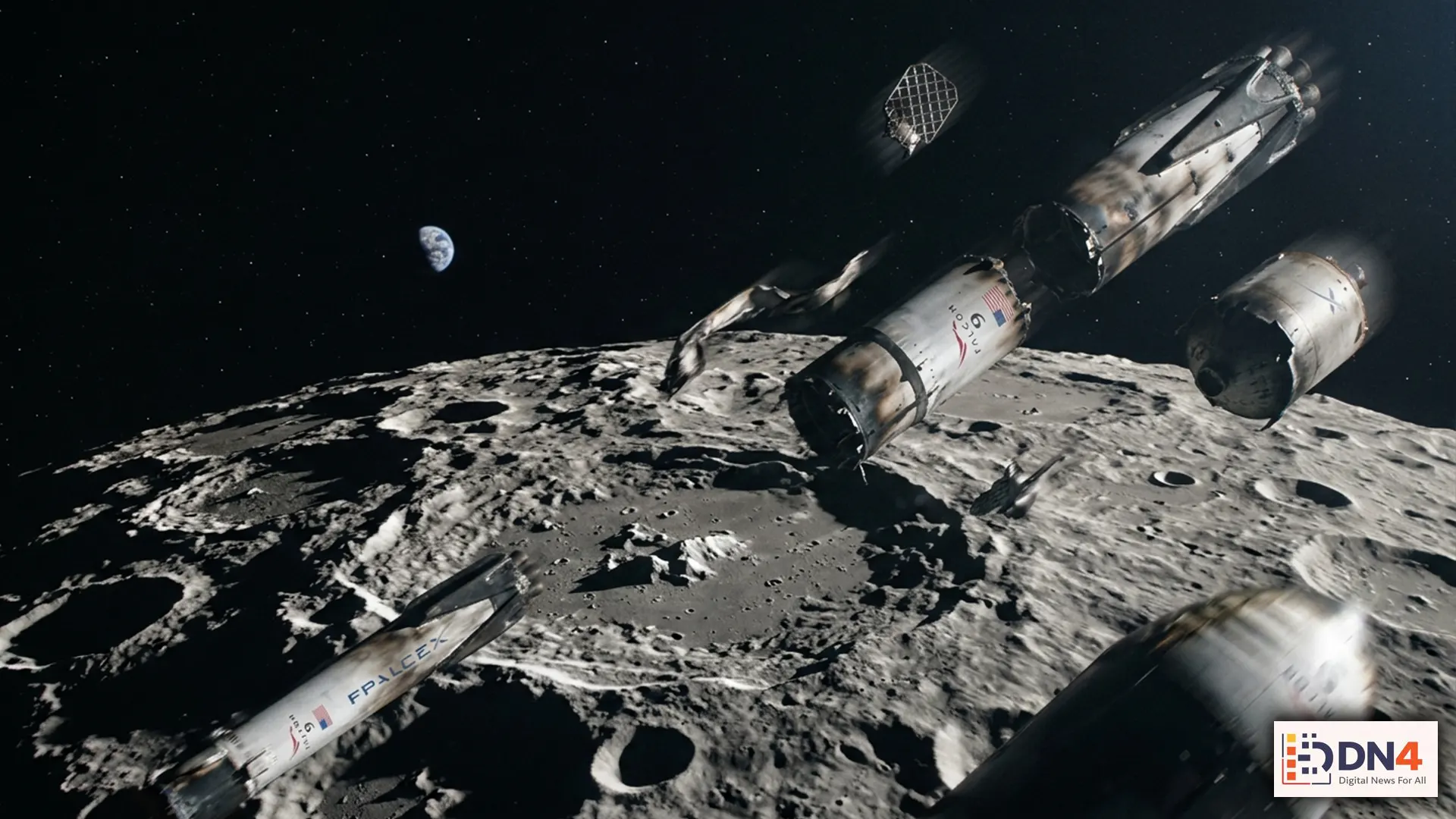
A massive piece of space hardware linked to a SpaceX Falcon 9 rocket is reportedly on course to collide with the Moon in a dramatic high-speed impact event that has captured global attention.
Scientists estimate the object could strike the lunar surface at nearly seven times the speed of sound, creating a significant crater and reigniting debates about space debris, lunar exploration, and the future of deep-space traffic management.
While accidental Moon impacts are not entirely unprecedented, the scale and visibility of this event have sparked enormous interest among astronomers, space agencies, and the growing global space industry.
What Exactly Is Hitting the Moon?
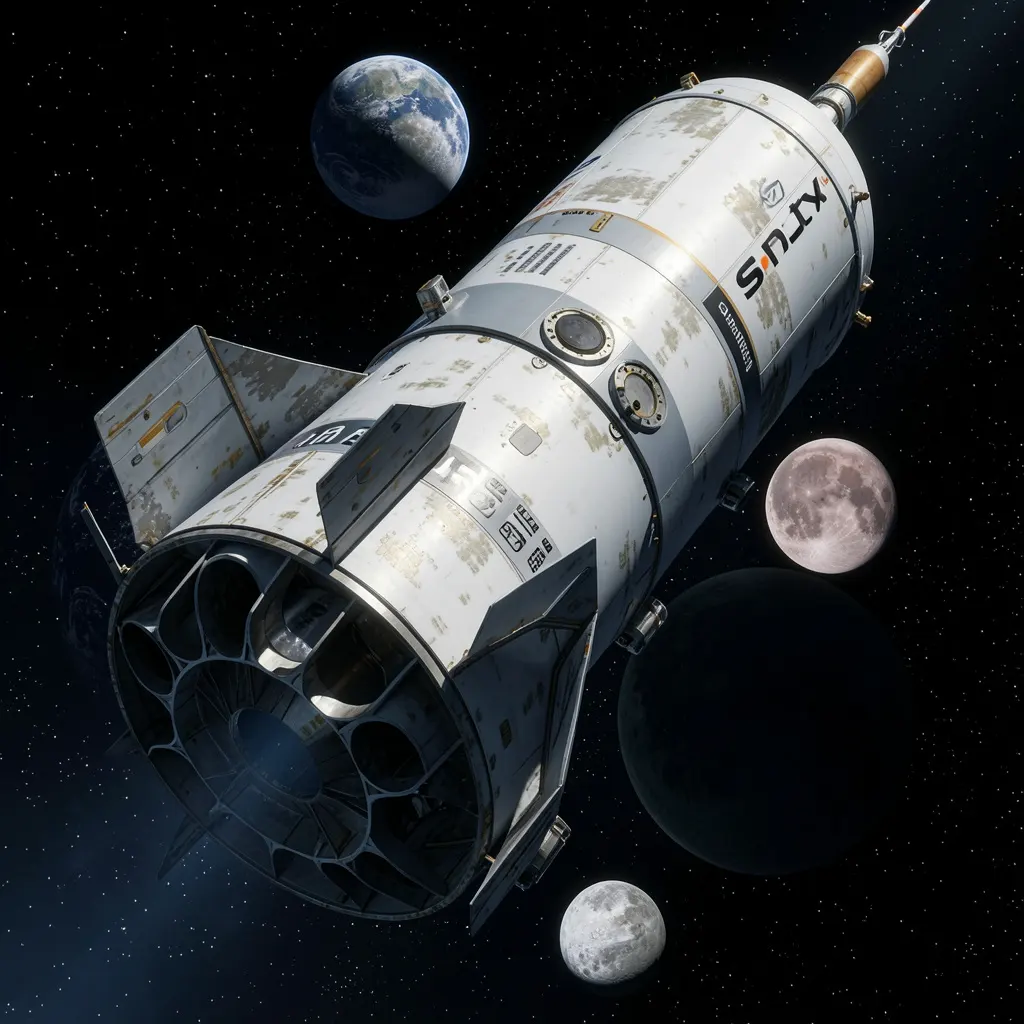
The object is believed to be a discarded upper-stage rocket component associated with a previous SpaceX Falcon 9 mission.
The rocket stage completed its original mission years ago. It then remained in deep-space orbit until gravitational interactions gradually pulled it toward the Moon.
Tracking organizations and independent astronomers have monitored the object for months using orbital calculations and telescopic observations.
Experts from organizations like NASA and academic research groups continue studying how abandoned spacecraft components behave once they leave Earth orbit.
How Fast Will the Impact Be?
According to current estimates, the rocket body could strike the lunar surface at thousands of miles per hour — roughly equivalent to several times the speed of sound on Earth.
The collision is expected to release enormous kinetic energy despite the object lacking fuel or explosives.
Scientists say the impact could create a fresh crater on the Moon’s surface. It may also eject lunar material high into space.
The Jet Propulsion Laboratory (JPL) and international lunar researchers are especially interested in studying the aftermath because impacts can expose subsurface lunar material hidden beneath the Moon’s dusty outer layer.
Why This Matters for Space Exploration
The incident highlights a growing challenge for the modern space era: orbital debris and long-term spacecraft management.
As commercial launches rapidly increase through companies like Blue Origin, Rocket Lab, and SpaceX, experts warn that abandoned rocket stages and inactive satellites may create future risks in Earth orbit and beyond.
Space agencies worldwide are now investing heavily in:
- Orbital debris tracking systems
- Autonomous spacecraft navigation
- Space traffic management
- Satellite deorbit technologies
- Lunar sustainability programs
The issue becomes even more important as NASA’s Artemis program and international lunar missions prepare for long-term human activity on and around the Moon.

Could the Impact Be Visible from Earth?
Most scientists believe the impact itself will likely not be visible to the naked eye from Earth. However, telescopes and lunar observation equipment may detect the collision or its aftermath.
Researchers could later analyze new crater formations using lunar satellites and high-resolution imaging systems.
The event also serves as a reminder that humanity’s presence in space increasingly leaves permanent marks beyond Earth itself.
The Bigger Debate Around Space Debris
The Falcon 9 Moon impact story is fueling larger conversations about responsibility in space exploration.
As governments and private companies race toward Mars missions, lunar bases, and commercial space stations, experts argue that international regulations surrounding space debris and planetary protection will become increasingly critical.
The Moon collision may ultimately become more than a scientific curiosity — it could become a warning sign for the future of humanity’s rapidly expanding space economy.
#SpaceX #Falcon9 #MoonImpact #NASA #SpaceNews #LunarMission #RocketScience #SpaceExploration #Artemis