

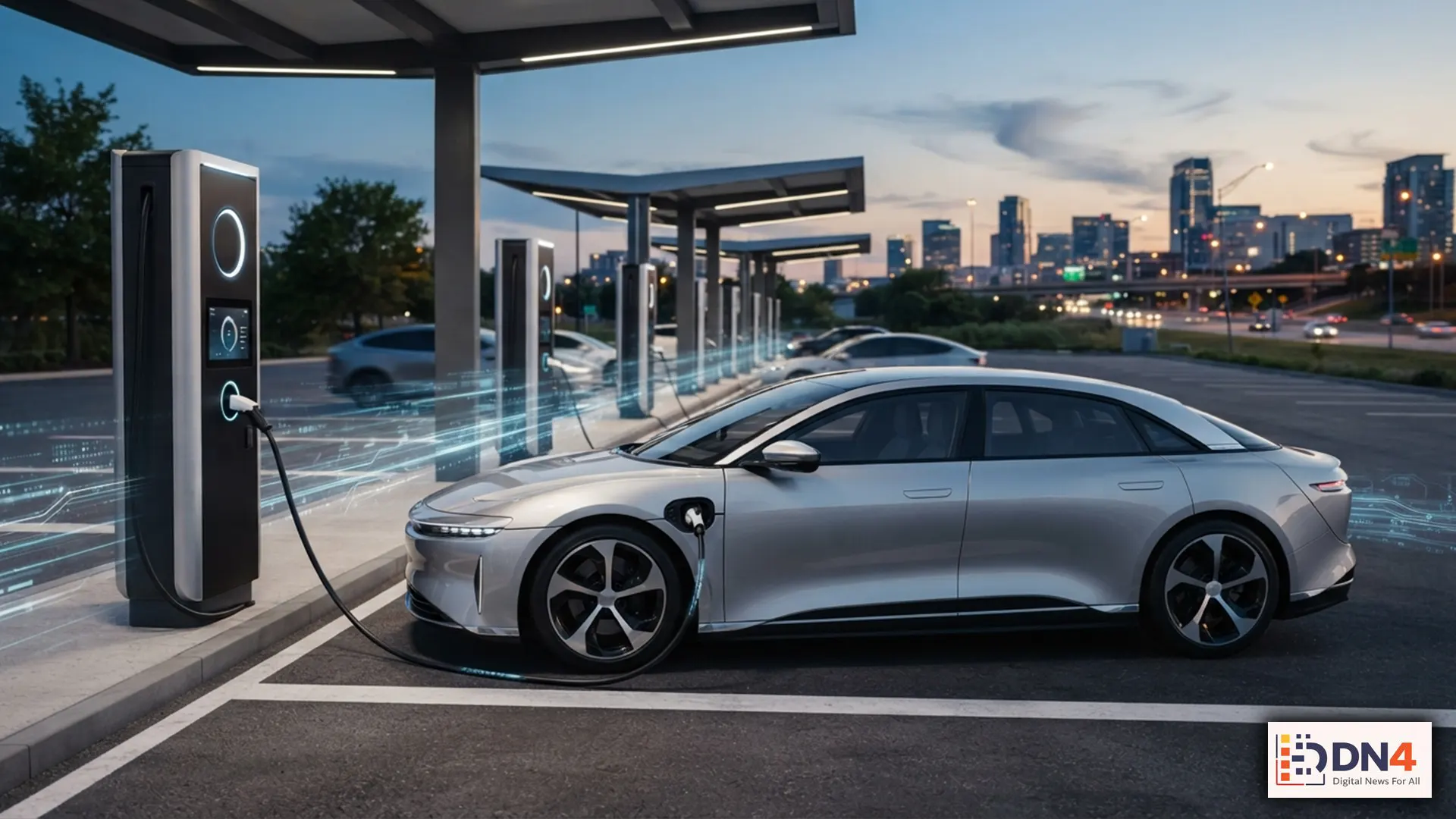
For electric-vehicle shoppers in 2026, the question is no longer simply how far an EV can travel. Buyers also need to consider where they will charge, how quickly they can recharge and whether the available infrastructure fits their daily driving habits.
The U.S. charging landscape continues to expand, with federal programs, automakers and private charging companies investing in public infrastructure. The U.S. Department of Energy’s electric-vehicle resources provide guidance on charging equipment, EV ownership and available technologies.
Home Charging Still Matters Most
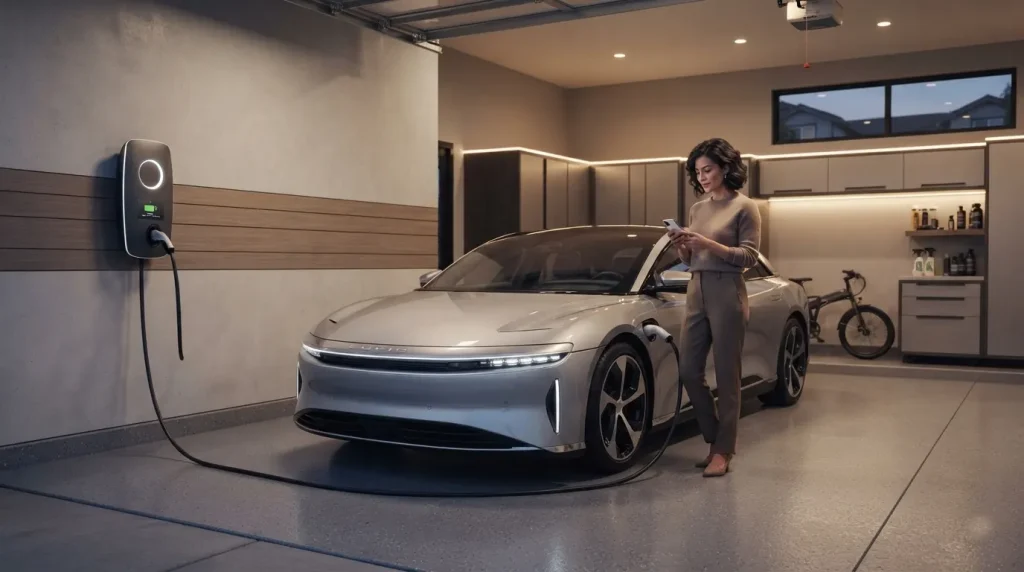
For drivers who have access to a garage, driveway or dedicated parking space, home charging can be the most convenient part of EV ownership. Level 1 charging can use a standard household outlet, while Level 2 equipment can provide substantially faster charging when the home’s electrical system supports it.
The Department of Energy’s home-charging guidance recommends considering the vehicle’s charging requirements, available electrical capacity and installation needs before purchasing equipment.
Public Charging Is Becoming More Important
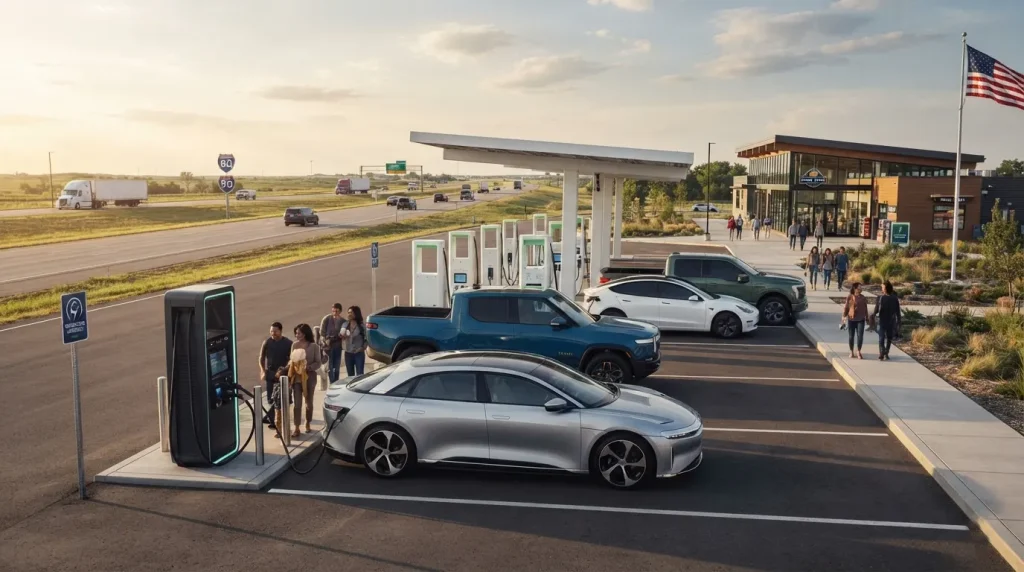
Public charging infrastructure is particularly important for apartment residents, long-distance travelers and households without dedicated parking. The U.S. Department of Energy’s Alternative Fueling Station Locator allows drivers to find public EV charging locations and examine available station information.
Buyers should check the charging networks along their regular routes rather than relying only on the number of chargers advertised nationally. A large network is useful, but location, reliability, charging speed and payment compatibility can matter more during an actual trip.
Fast Charging Can Change Road-Trip Planning
DC fast charging can add substantial driving range much faster than home charging, but charging performance varies between vehicles and stations. Battery temperature, state of charge, charger power and the vehicle’s maximum charging capability can all affect real-world charging times.
The U.S. government’s fueleconomy.gov EV technology guide explains how charging equipment and vehicle technology affect electric-car efficiency and charging.
Check Connector Compatibility Before Buying
Charging standards and connector compatibility are another issue buyers should investigate. Automakers have been moving toward broader compatibility with the North American Charging Standard, while charging networks continue adapting their equipment.
The Joint Office of Energy and Transportation provides information about the U.S. national EV charging network and federal infrastructure efforts. Buyers should still confirm exactly which connectors and adapters their chosen vehicle supports.
What Buyers Should Calculate
Before going electric, estimate your weekly mileage, home-charging access, electricity costs, public-charging needs and expected long-distance travel. Also check whether installing a Level 2 charger will require electrical upgrades or additional installation expenses.
The IRS clean-vehicle credit information can also help buyers determine whether any applicable federal incentives or requirements affect their purchase decision.
EV charging infrastructure is becoming more capable, but the best charging setup depends on how and where you drive. Before buying an EV, evaluate your home-charging situation first, then examine public networks along your everyday and long-distance routes.
#EVCharging #ElectricVehicles #EVInfrastructure #EVs #CleanEnergy #AutoTech #EVOwnership #ElectricCars