

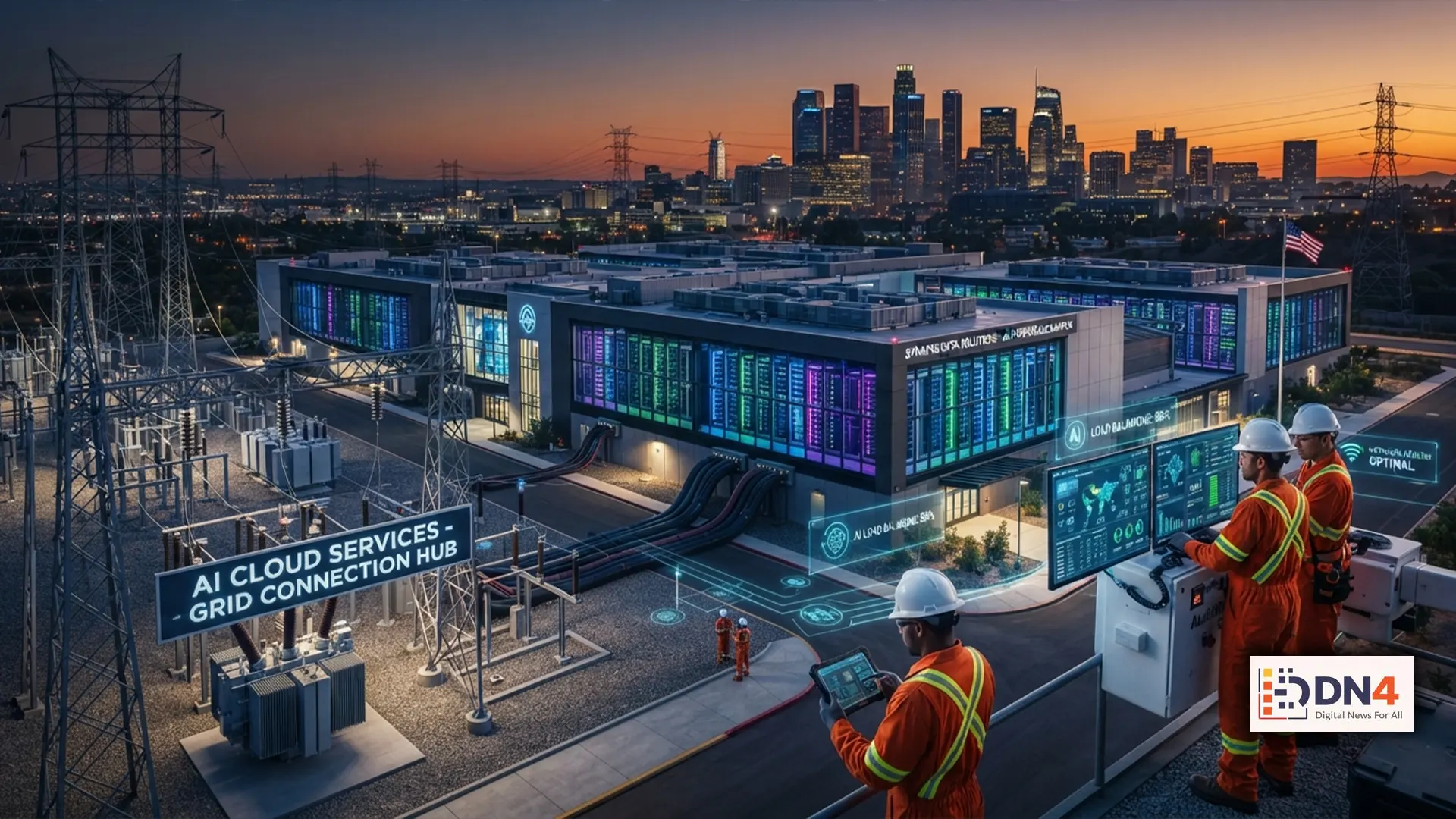
Artificial intelligence is transforming industries at an unprecedented pace, but its rapid growth comes with an unexpected consequence: soaring electricity demand. Across the United States, AI-powered data centers are consuming enormous amounts of energy, placing increasing pressure on an electrical grid that was largely designed decades ago.
As technology companies expand AI infrastructure to support cloud computing, machine learning and generative AI services, utilities are racing to upgrade transmission lines, power plants and substations. Those investments could eventually influence electricity prices for businesses and households alike.
Why AI Requires So Much Electricity
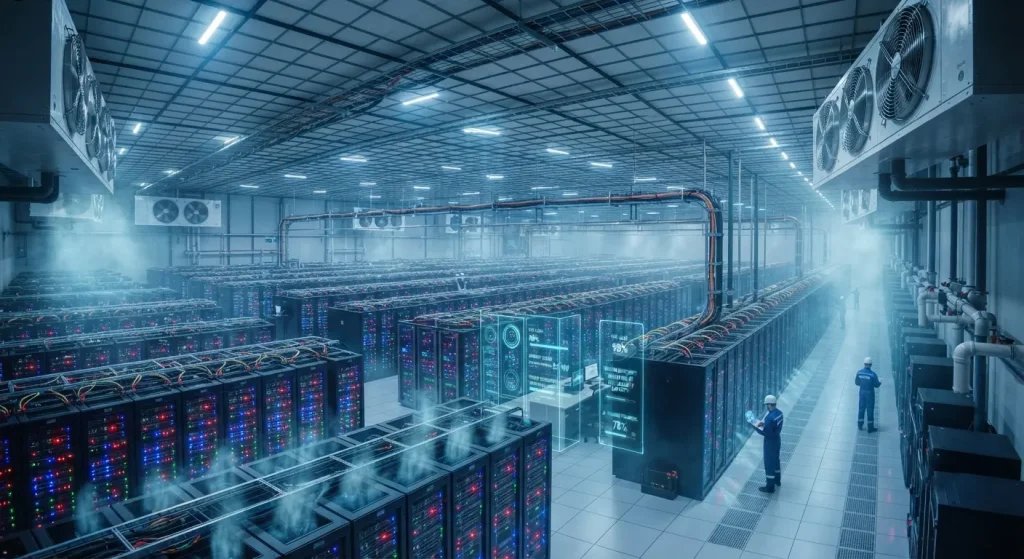
Modern AI systems rely on thousands of high-performance processors operating continuously inside massive data centers. Training advanced AI models and serving millions of user requests every day requires vast amounts of computing power, along with sophisticated cooling systems that consume additional electricity.
According to the International Energy Agency (IEA), electricity demand from data centers is expected to increase significantly over the coming years as AI adoption accelerates worldwide.
Can America’s Power Grid Keep Up?
Many regions of the United States already face growing electricity demand from electric vehicles, advanced manufacturing and population growth. The addition of AI data centers is intensifying pressure on utilities to modernize aging infrastructure.
The U.S. Department of Energy continues investing in grid modernization initiatives, while the Federal Energy Regulatory Commission (FERC) works with utilities to improve transmission reliability and long-term energy planning.
Why Consumers Could See Higher Bills
Building new transmission lines, upgrading substations and expanding electricity generation requires significant capital investment. While pricing varies by region and utility provider, utilities often recover infrastructure costs over time through electricity rates approved by regulators.
In addition, increased competition for electricity during periods of peak demand may place further pressure on wholesale energy prices, particularly in regions experiencing rapid data center development.
How Utilities Are Responding
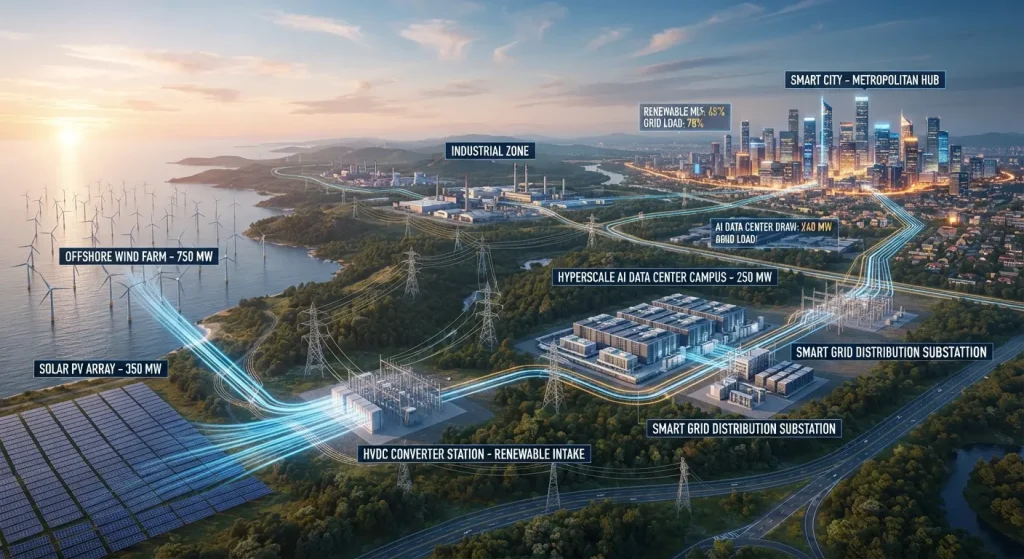
Power companies are expanding renewable energy projects, battery storage, natural gas generation and, in some cases, exploring advanced nuclear technologies to meet future demand. Utility companies are also using AI to optimize electricity distribution, predict equipment failures and improve grid efficiency.
Research from the National Renewable Energy Laboratory (NREL) and guidance from the U.S. Energy Information Administration (EIA) highlight the importance of balancing reliability, affordability and sustainability as electricity demand continues to grow.
America’s AI boom presents tremendous economic opportunities, but it also underscores the need for major investments in energy infrastructure. Expanding generation capacity, modernizing the electric grid and improving energy efficiency will be essential to supporting future innovation without compromising affordability.
For consumers, businesses and policymakers, the challenge will be ensuring that the nation’s energy system evolves quickly enough to power the next generation of AI while keeping electricity reliable and reasonably priced.
#AI #Electricity #PowerGrid #Energy #DataCenters #ArtificialIntelligence #Utilities #CleanEnergy #Technology