


Kalshi election betting is at the center of a growing legal battle over whether prediction markets are financial exchanges or online gambling platforms. Utah escalated that dispute on October 28, 2026, by filing criminal charges against Kalshi and two of its top executives. The case could influence how political and election-related contracts operate across the United States.
Why Utah Filed Criminal Charges
Utah Attorney General Derek Brown announced 14 charges against Kalshi, CEO Tarek Mansour and co-founder and COO Luana Lopes Lara. The charges include allegations of promoting online gambling and participating in a pattern of unlawful activity.
According to the charging documents, an undercover state agent opened a Kalshi account and placed 12 wagers on sporting events. The agent reportedly risked approximately $114.87 over two weeks. Utah argues that the platform’s activities violate the state’s strict gambling laws.
Kalshi rejected the allegations, describing the prosecution as political overreach. The company says its contracts are federally regulated financial products, not illegal gambling. The charges remain allegations and must be tested in court.
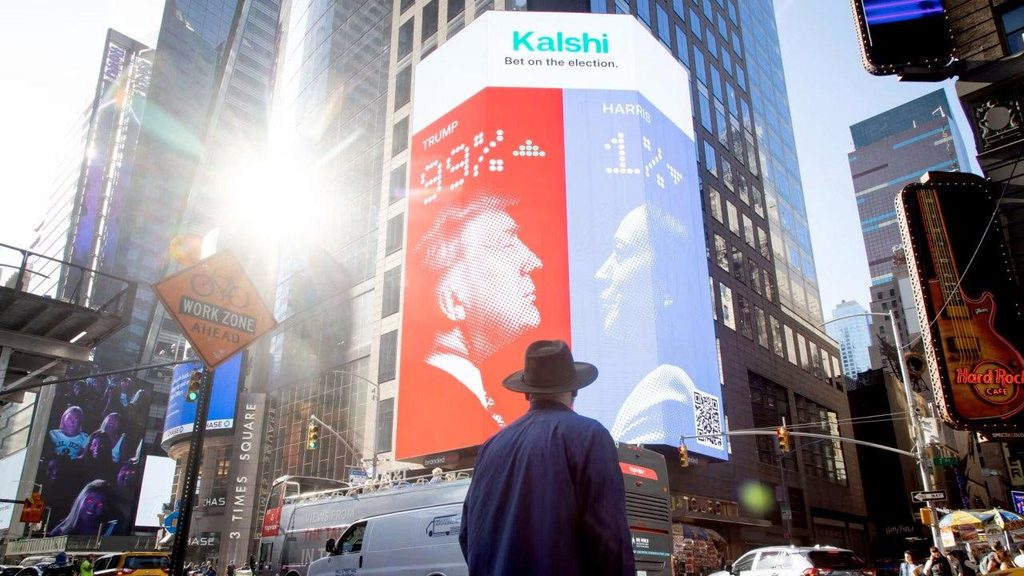
Why Election Betting Is Part of the Dispute
The controversy extends beyond sports. Kalshi offers event contracts that allow users to trade on the likelihood of future outcomes, including elections, political developments, economic indicators and cultural events.
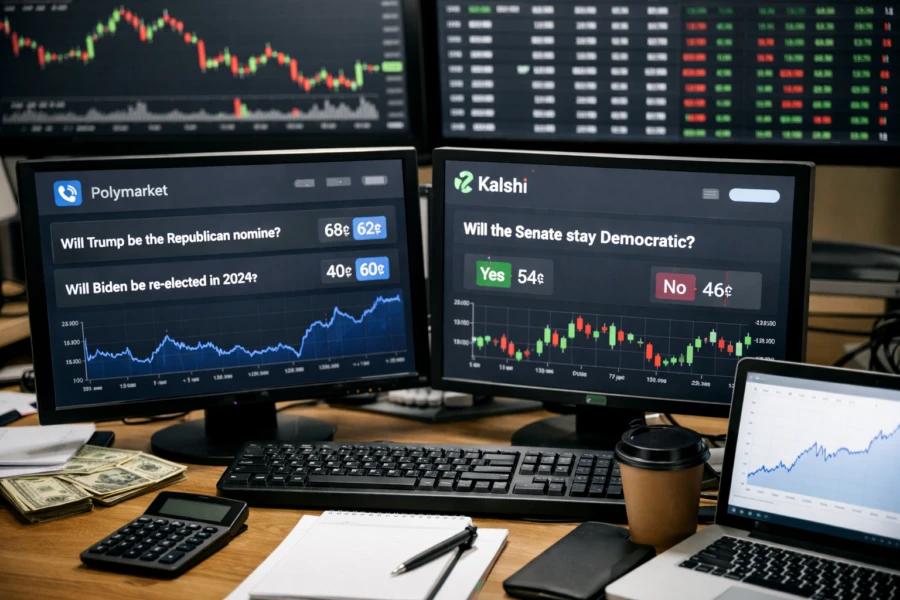
For example, a contract might ask whether a particular political party will control Congress after an election. A user can buy a position based on a predicted outcome. The contract’s value changes as market expectations shift.
Supporters argue that these markets aggregate information and provide a measurable snapshot of public expectations. Critics worry that election-related contracts could encourage speculative behavior, create conflicts of interest or undermine confidence in democratic processes.
The Federal Versus State Regulatory Fight
The central legal question is who has authority over these products. Kalshi argues that the Commodity Futures Trading Commission (CFTC) has exclusive oversight under federal commodities law. Utah and other states say contracts that function like bets should remain subject to local gambling restrictions.
The conflict intensified when the CFTC sued Utah, seeking to stop the state from enforcing its gambling laws against federally regulated prediction markets. Courts have issued differing decisions in related state disputes, leaving the industry’s legal future uncertain.
What Happens Next?
Utah’s criminal case could encourage other states to pursue stronger enforcement. At the same time, federal litigation may determine whether states can restrict event contracts offered by federally registered exchanges.
For investors, election watchers and ordinary users, the outcome matters. A ruling favoring federal authority could help prediction markets expand. A ruling supporting state control could create a patchwork of restrictions and limit where platforms operate.
Ultimately, the debate is bigger than one company. It raises a difficult question for American regulators: when does trading on a future event become gambling? The answer could reshape the future of political prediction markets before the next major election cycle.
- Reuters: Utah criminally charges Kalshi
- Associated Press: Utah charges Kalshi and its founders
- The Salt Lake Tribune: Details of Utah’s charges
#Kalshi #PredictionMarkets #ElectionBetting #UtahNews #PoliticalMarkets #WallStreet #CFTC #OnlineGambling #USPolitics