


The housing lock-in effect is reshaping the American property market in 2026. First-time buyers face expensive home loans, rising monthly payments, and limited affordable inventory. Many are delaying purchases, lowering their budgets, or exploring alternatives to traditional 30-year fixed mortgages. For younger households, the dream of homeownership increasingly requires difficult financial compromises.
Mortgage Rates Are Making Homeownership More Expensive
Borrowing costs remain a major obstacle. According to Freddie Mac’s Primary Mortgage Market Survey, the average 30-year fixed mortgage rate reached 7.24% for the week ending October 29, 2026. That compares with 6.17% during the same period last year.
The monthly payment impact is significant. The Mortgage Bankers Association reported that the median mortgage payment for purchase applicants increased to $2,215 in September, up 7.1% from a year earlier. Payments rose faster than earnings, making affordability more difficult for prospective buyers.
What the Housing Lock-In Effect Really Means
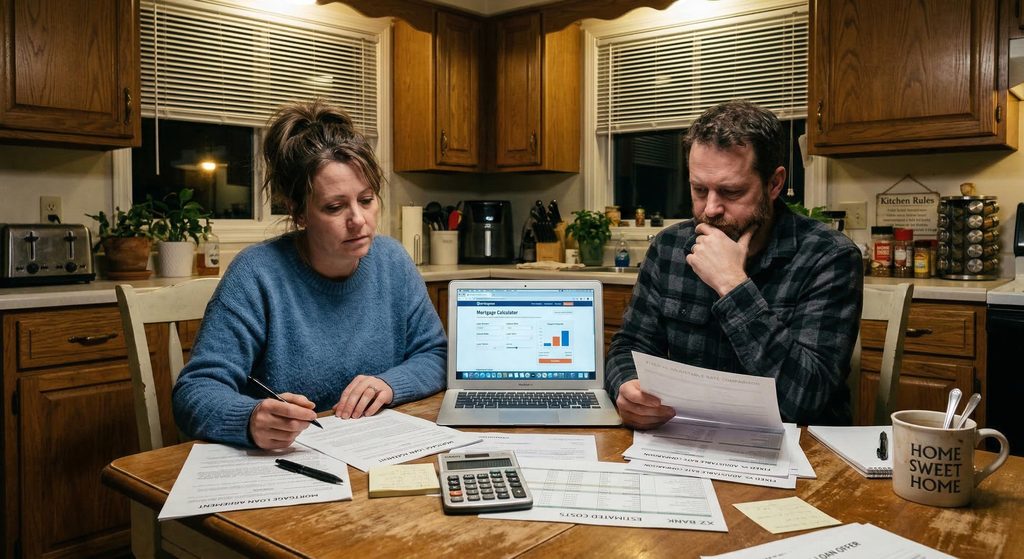
The term traditionally describes existing homeowners who refuse to sell because they secured much lower mortgage rates in previous years. Moving would mean giving up those favorable loans and taking on a more expensive mortgage. As a result, some homeowners remain in their properties longer, limiting the number of homes available for sale.
A Federal Reserve Bank of Philadelphia working paper published in July 2026 examined this effect. Its researchers found that mortgage lock-in reduces housing transactions, while buyers are particularly sensitive to higher borrowing costs.
Are First-Time Buyers Abandoning Fixed Mortgages?
Not entirely. The 30-year fixed-rate mortgage remains an important option because it provides predictable principal and interest payments. However, some buyers are reconsidering adjustable-rate mortgages, commonly called ARMs, which can offer lower initial rates before adjusting later.
The National Association of REALTORS® reported that adjustable-rate mortgages accounted for 10.3% of mortgage applications in a recent survey period. That was the highest share since October 2025. This suggests that some borrowers are exploring alternatives as fixed-rate financing becomes more expensive.
However, ARMs carry risks. Monthly payments can increase when the introductory period ends. The Consumer Financial Protection Bureau explains how rate adjustments work and why borrowers should understand future payment limits before signing.
What Happens Next for American Homebuyers?
Housing affordability depends on more than mortgage rates. Home prices, income growth, property taxes, insurance, and available inventory all influence whether buyers can qualify and sustain payments. Freddie Mac’s first-time homebuyer research highlights how the changing market affects new entrants.
The 2026 housing lock-in effect is therefore more than a mortgage-rate story. It reflects a market where existing owners hesitate to move and first-time buyers struggle to enter. Until financing costs and affordability improve, many aspiring homeowners may continue renting, saving longer, or reconsidering the type of mortgage they can manage.
#HousingMarket2026 #MortgageRates #FirstTimeHomebuyer #HousingAffordability #30YearMortgage #RealEstateMarket #AmericanDream #Homeownership