

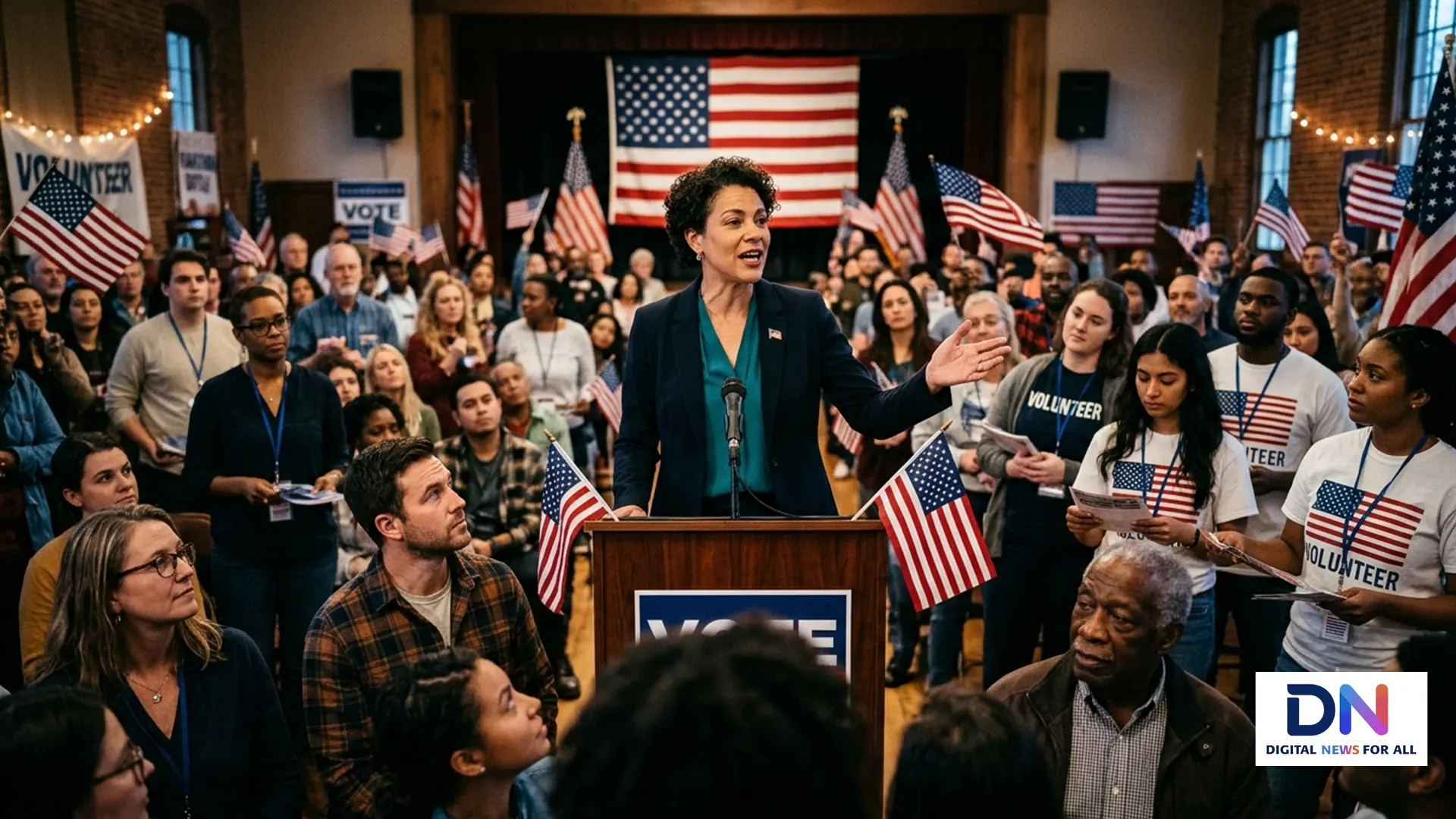
House campaign spending is reaching major levels as candidates compete for control of Congress in the 2026 midterm elections. Five districts stand out for the money raised by their own campaigns: New York’s 21st, Wisconsin’s 3rd, New York’s 17th, Iowa’s 1st, and Arizona’s 6th. Their fundraising totals show how individual candidates are building financial operations alongside national party and outside-group spending.
Five Districts Drawing Major Campaign Money
A campaign-finance tracker using federal filings reported the following candidate fundraising totals in its October 29 update:
- New York’s 21st District: Blake Gendebien and Anthony Constantino’s campaigns raised a combined $22.12 million.
- Wisconsin’s 3rd District: Rebecca Cooke and Derrick Van Orden’s campaigns raised $21.78 million.
- New York’s 17th District: Cait Conley and Mike Lawler’s campaigns raised $21.02 million.
- Iowa’s 1st District: Christina Bohannan and Mariannette Miller-Meeks’ campaigns raised $19.01 million.
- Arizona’s 6th District: JoAnna Mendoza and Juan Ciscomani’s campaigns raised $18.89 million.
These are combined candidate committee totals, not contributions exclusively from residents of those districts. The Midterm Mondays campaign-finance tracker separates candidate fundraising and spending from outside-group activity. Its underlying figures are based on federal campaign reports, with most candidate data covering filings through October 14.
Why National Spending Still Matters
Candidate fundraising is only one part of the financial picture. Political parties, super PACs, and other outside organizations can spend independently to support or oppose candidates. Their advertising can change the scale of a race even when a candidate’s own fundraising is strong.
Inside Elections’ October analysis shows that national groups do not always agree on which districts deserve the greatest investment. Differences in strategy can produce major advertising imbalances between competing campaigns.
Meanwhile, National Journal’s third-quarter fundraising analysis found that Democratic candidates were raising substantial sums in competitive districts, even as Republican outside groups maintained significant resources.
Local Concerns, National Political Stakes
Voters in these districts are weighing familiar concerns: household costs, healthcare, jobs, immigration, and the performance of elected representatives. A Washington Post analysis of battleground districts found that basic living costs had outpaced wages in many competitive areas.
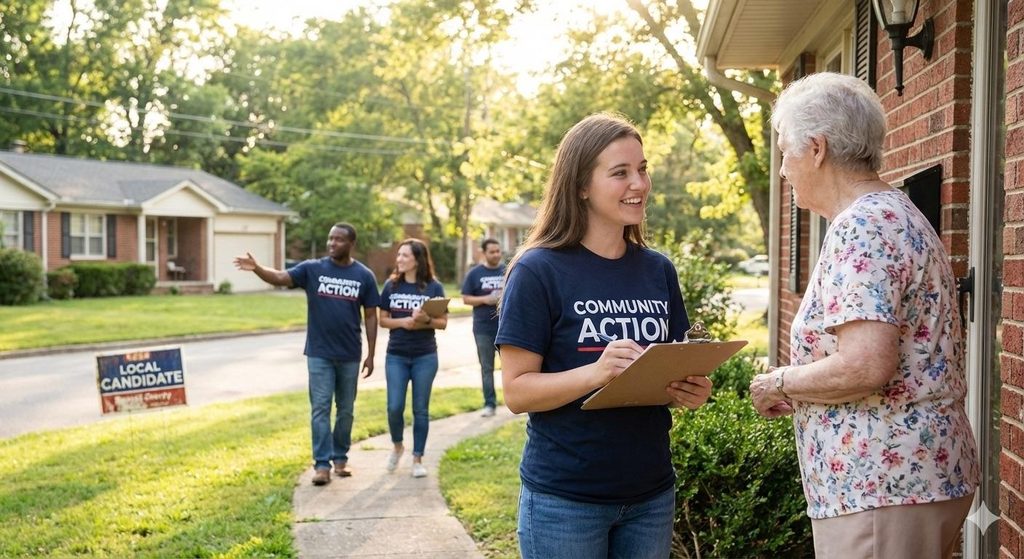
Campaign money can pay for advertising, staff, voter outreach, and organizing. It cannot guarantee that residents will support a candidate. The Federal Election Commission’s campaign-finance database allows the public to examine receipts, expenditures, and committee filings directly.
What the Spending Numbers Really Reveal
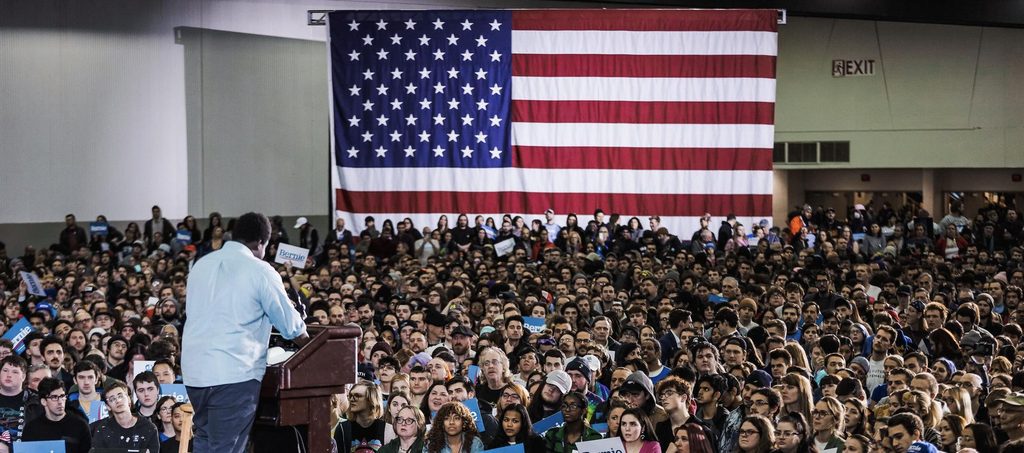
The five districts demonstrate the scale of the 2026 House contest, but fundraising totals should not be confused with local voter support or election forecasts. Candidate contributions and outside spending are separate categories, and both require careful examination. Ultimately, voters—not campaign balance sheets—determine who represents these districts in Washington.
#MidtermElections2026 #HouseRaces #SwingStates #CampaignFinance #CongressionalElections #PoliticalSpending #USPolitics #ElectionNews